We buy all the products we test — no freebies from companies. If you purchase through our links, we may earn a commission, which helps support our testing.
Over the past 12 years, our expert ultralight fast-packers have researched and tested over 50 of the top ultralight tents on the market, with 15 of the best options in our current lineup. These tents have made it worldwide, from Iceland to Europe to Canada and throughout Asia. We've used them in storms, blustery weather, cold and icy conditions, and desert heat to give you an accurate account of their strengths and weaknesses. We tested against metrics of livability, weight, weather protection, adaptability, and ease of setup in many different scenarios to give you this in-depth review and help make your tent purchasing decision that much easier, all with your budget in mind.
We've tested the top tents of all shapes and sizes, but if you're looking to shave some weight and go ultralight, we can help. In addition to tents, we've tested the best ultralight sleeping bags as well as items like ultralight backpacks. If you don't need to go mega ultralight but are just hoping to drop a few pounds from your pack, we've also tested the best backpacking tents, which are lighter than their car camping counterparts. If you are building your gear collection from scratch, see backpacking checklist as a jumping-off point with some great advice.
Editor's Note: In December 2023, we added new tents to our review from Tarptent, Nemo, Hyperlite Mountain Gear, 3F UL Gear, and Six Moon Designs. We updated this article again on February 14, 2024, to share info on Durston's new tent stakes.
Weight of Tent, Fly, Stakes: 38.4 oz | Floor Dimensions: 89 x 52 in
REASONS TO BUY
Highly durable
Easy to set up
Tall people-friendly
Generous vestibules
REASONS TO AVOID
Hard to repack
6+ stakes required
Heavier than others
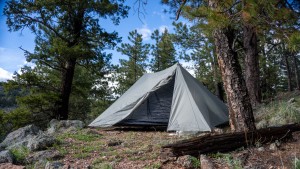
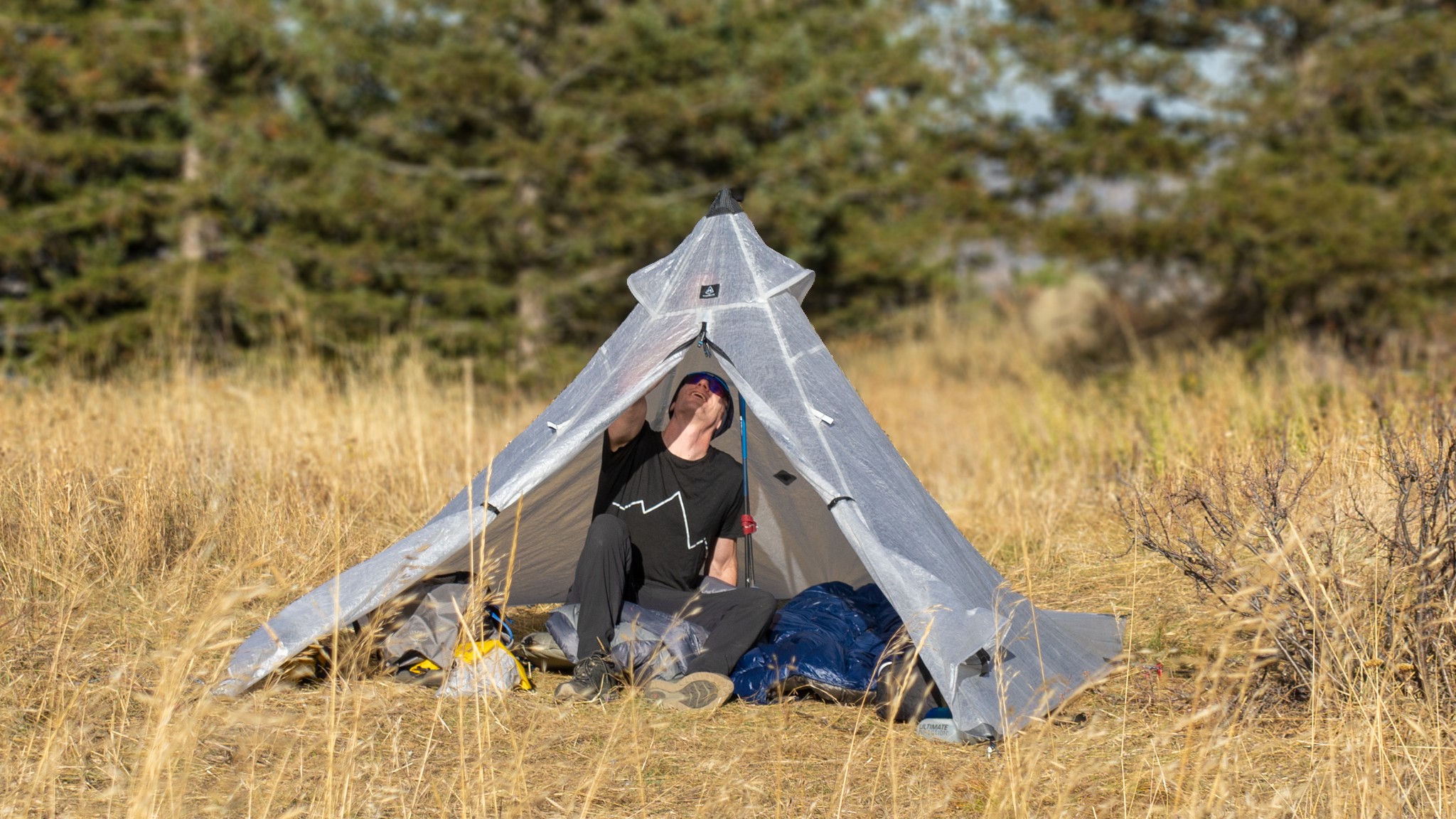
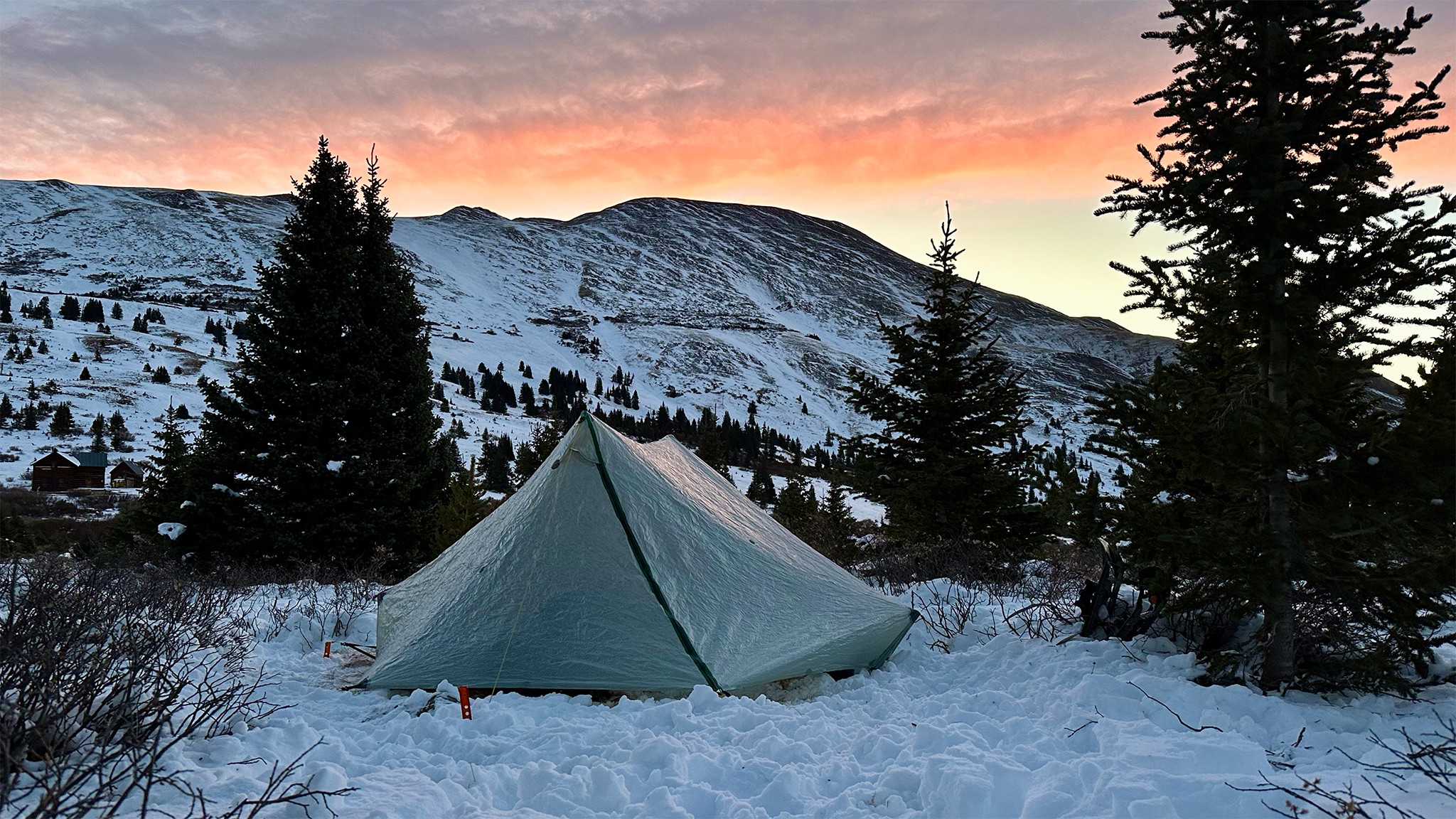
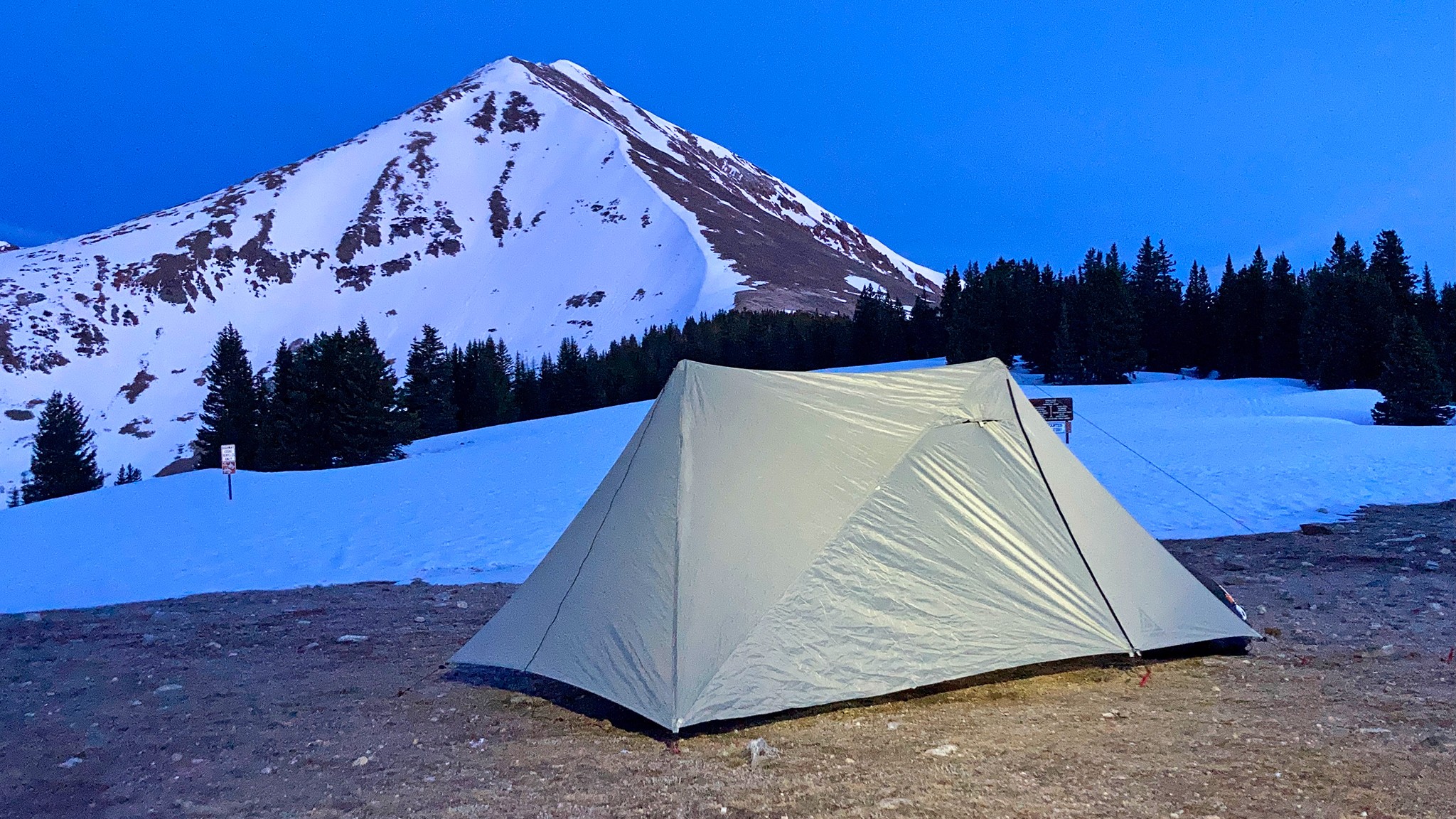
Upon pitching the Tarptent StratoSpire Ultra for the very first time, we knew this tent was something special. With a few adjustments to the tie-out points, the semi-transparent Ultra TNT composite fly fabric seemed to transform into an impenetrable shell, able to withstand all manner of hell or high water. The explanation is clever and incredibly detailed engineering in the tent design that results in it being incredibly strong. The interior is airy and generous in volume, with a high ceiling and plenty of room for two people to sleep comfortably, with all unneeded gear stored safely in the dual vestibules.
The tradeoff for this extreme weatherproofness (especially at the excellent price point) is that the StratoSpire Ultra is heavier than most others in our lineup. The newer Ultra TNT fabric has many of the advantageous qualities of its more expensive DCF relative: no-stretch, waterproof/non-absorbant, and very strong, but it is not as light. And because the tent is so large, a lot of this fabric is used. Repacking is also a little more time-consuming, as there are four small carbon poles sewn into the tent that you'll have to carefully line up to get in the slender included stuff sack. It's preferred that Ultra TNT — like DCF — should be folded or rolled rather than stuffed, further making teardown a little more involved. If you love this brand and can spend a bit more, the Tarptent StratoSpire Li is just as well-made and quite a bit lighter.
Weight of Tent, Fly, Stakes: 20.96 oz | Floor Dimensions: 45 x 90 in
REASONS TO BUY
Available with poles for freestanding setup
Zipperless closure system is great for sandy environments
Excellent weather protection
Livable space is large and comfortable
REASONS TO AVOID
Small vestibule
Clear color lacks privacy
Upgrade is hard to figure out without instruction
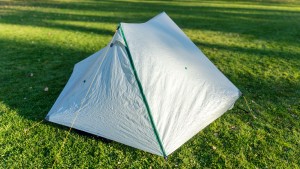
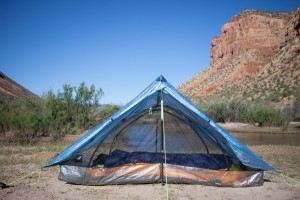
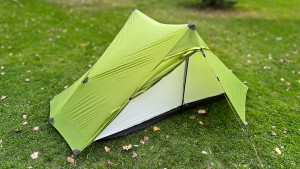
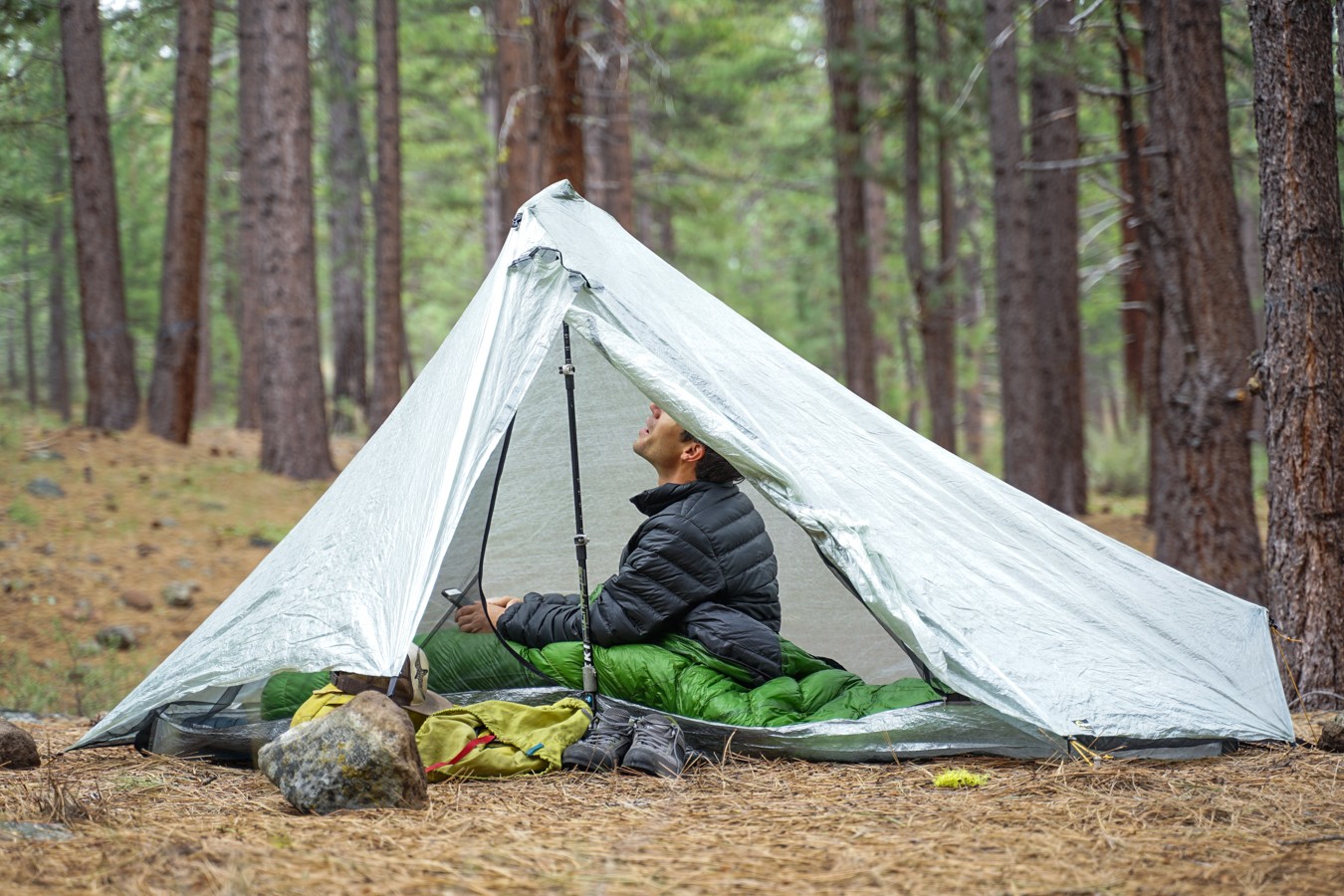
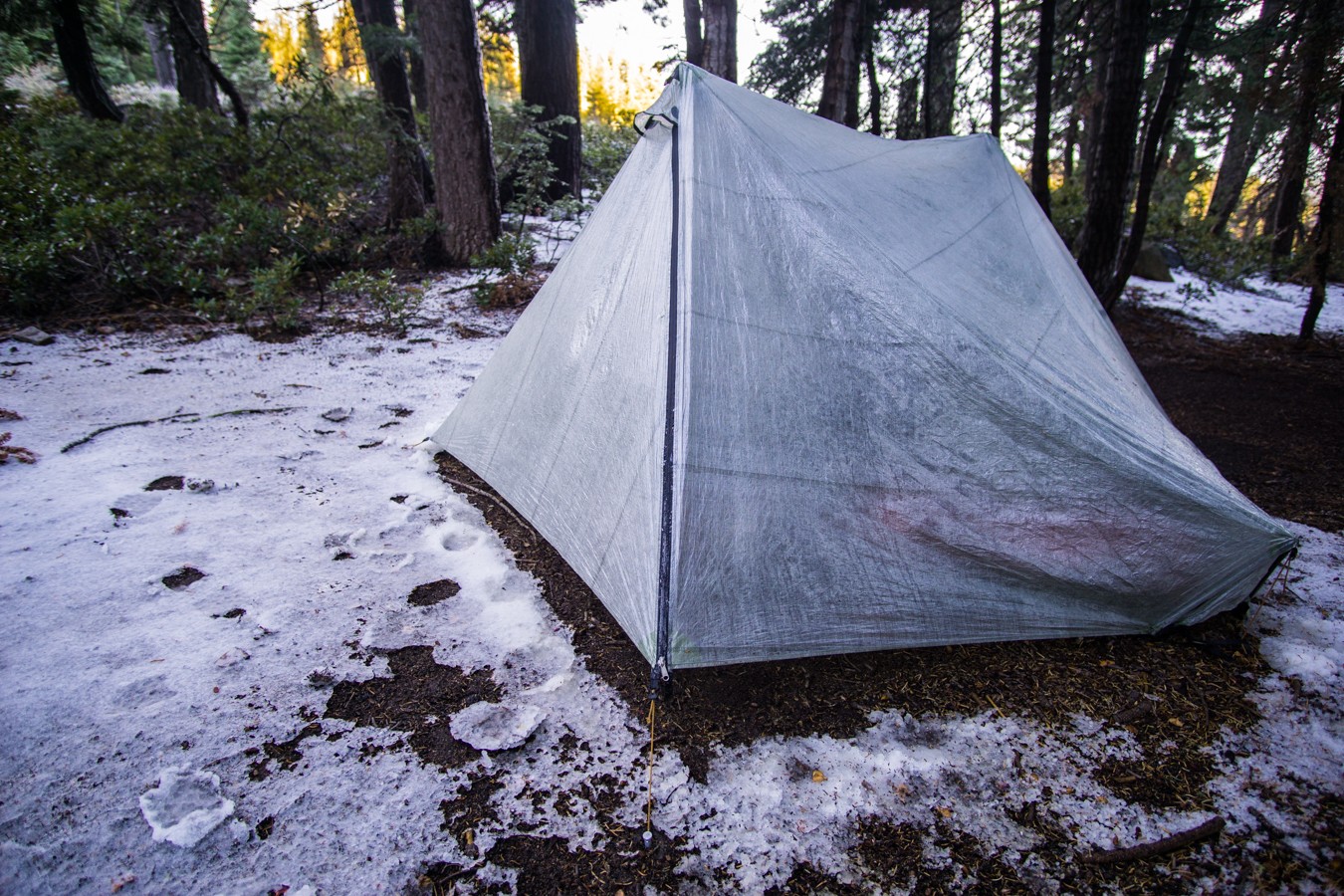
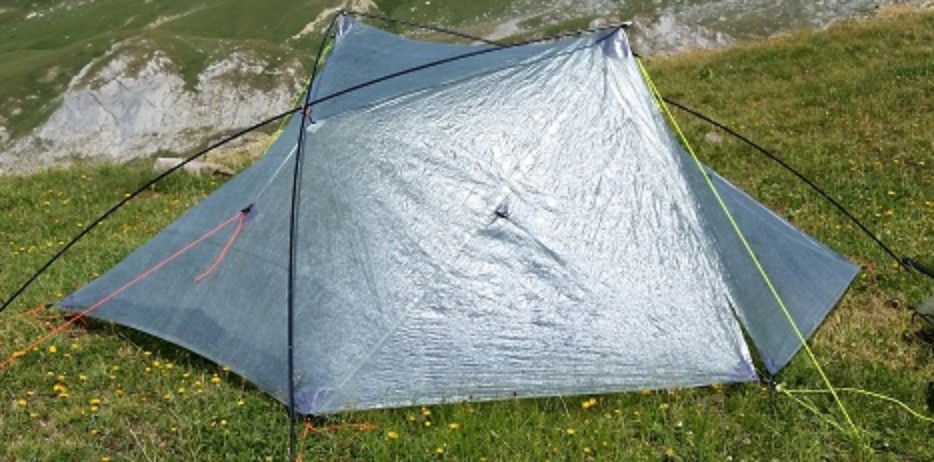
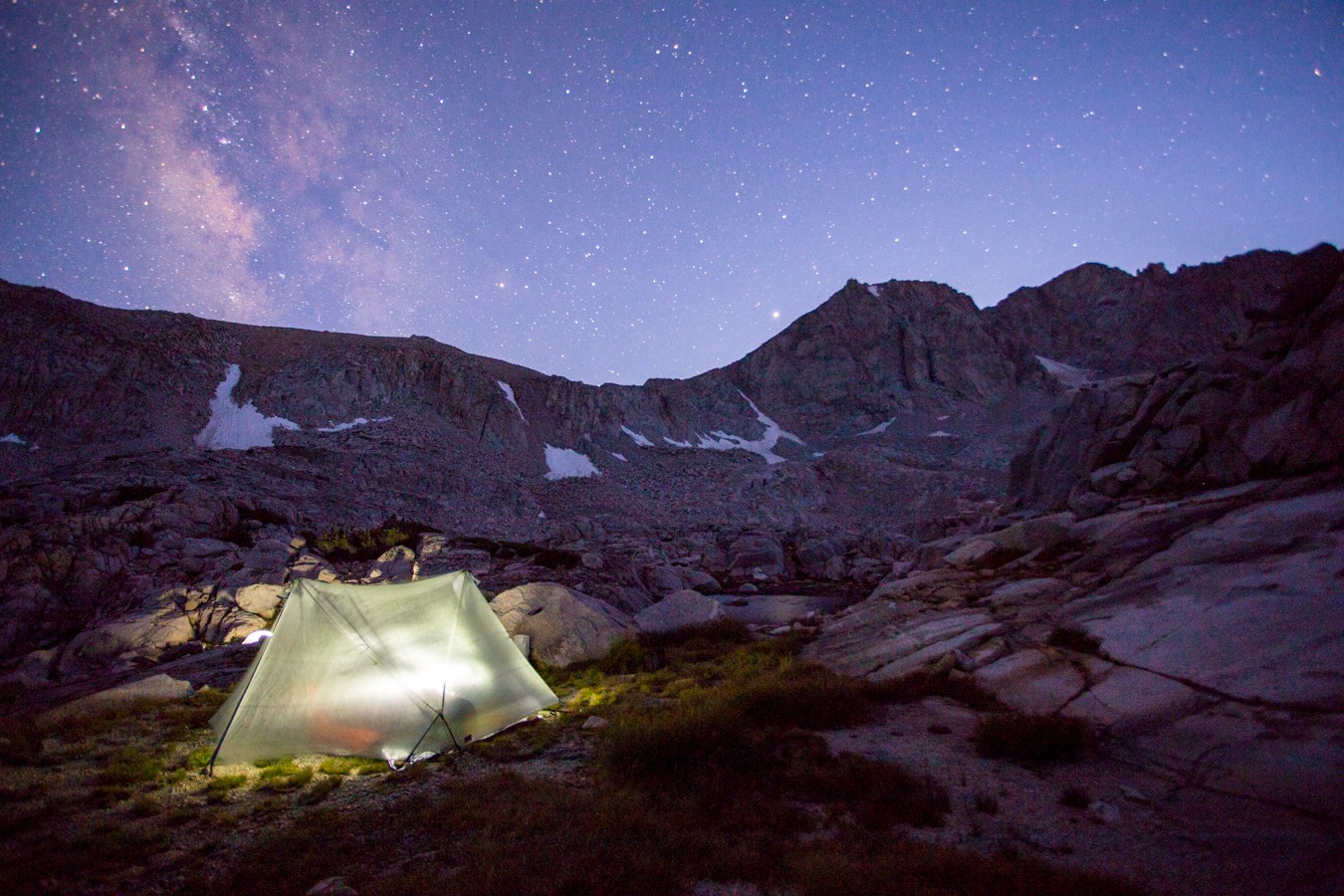
The Zpacks Duplex easily outperforms the competition with the lavish comforts of a full tent construction at a ridiculously light weight. It's tall enough to sit up straight and be comfortable and has two vestibules that conveniently serve as a cooking spot in blustery storms or are ideal for small gear storage. This tent holds its shape in windy or stormy conditions, even on an exposed ridge or open field. With a built-in bug net and full floor, summer nights will have you safe from flying pests, while the Dyneema fabrics wick and shed water without any absorption, even after hours in a downpour. We've tested the Duplex with the Freestanding Flex Kit Upgrade while fast-packing in Canada, climbing in the desert, and hiking to high lakes in the mountains, and it's still going strong after five years. While the investment is a big one, it's worth it.
While there are many positives, this tent is not perfect. If you buy the base model, you will need two poles to pitch the Duplex — or spend more money on the freestanding upgrade. Second, the setup is unfortunately not very intuitive and requires a tutorial. The light material is see-through at night, so you'll have to decide if you're okay with that, and condensation can become a problem in humid places. Finally, this isn't a cheap tent, and while we think the performance is worth the cost, not everyone may feel that way. But if you want the best and are willing to throw down the cash, the ZPacks Duplex has everything you could want in an ultralight construction. It packs down small, is durable, and offers incredible protection in all kinds of weather. The Tarptent Aeon Li is another great option if you're flying solo and have trekking poles for pitching.
One of our favorite ultralight tents, the Duplex Flex, lit up during evening light at an alpine lake. Spacious, durable, and incredibly weather resistant, we love this tent.
Weight of Tent, Fly, Stakes: 30.7 oz | Floor dimensions: 87 x 28 in
REASONS TO BUY
Excellent value
Large rain fly
Stormworthy
REASONS TO AVOID
Stakes need replacing fast
Just average internal space
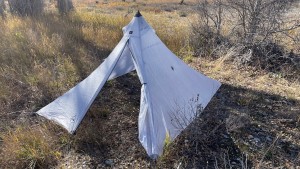
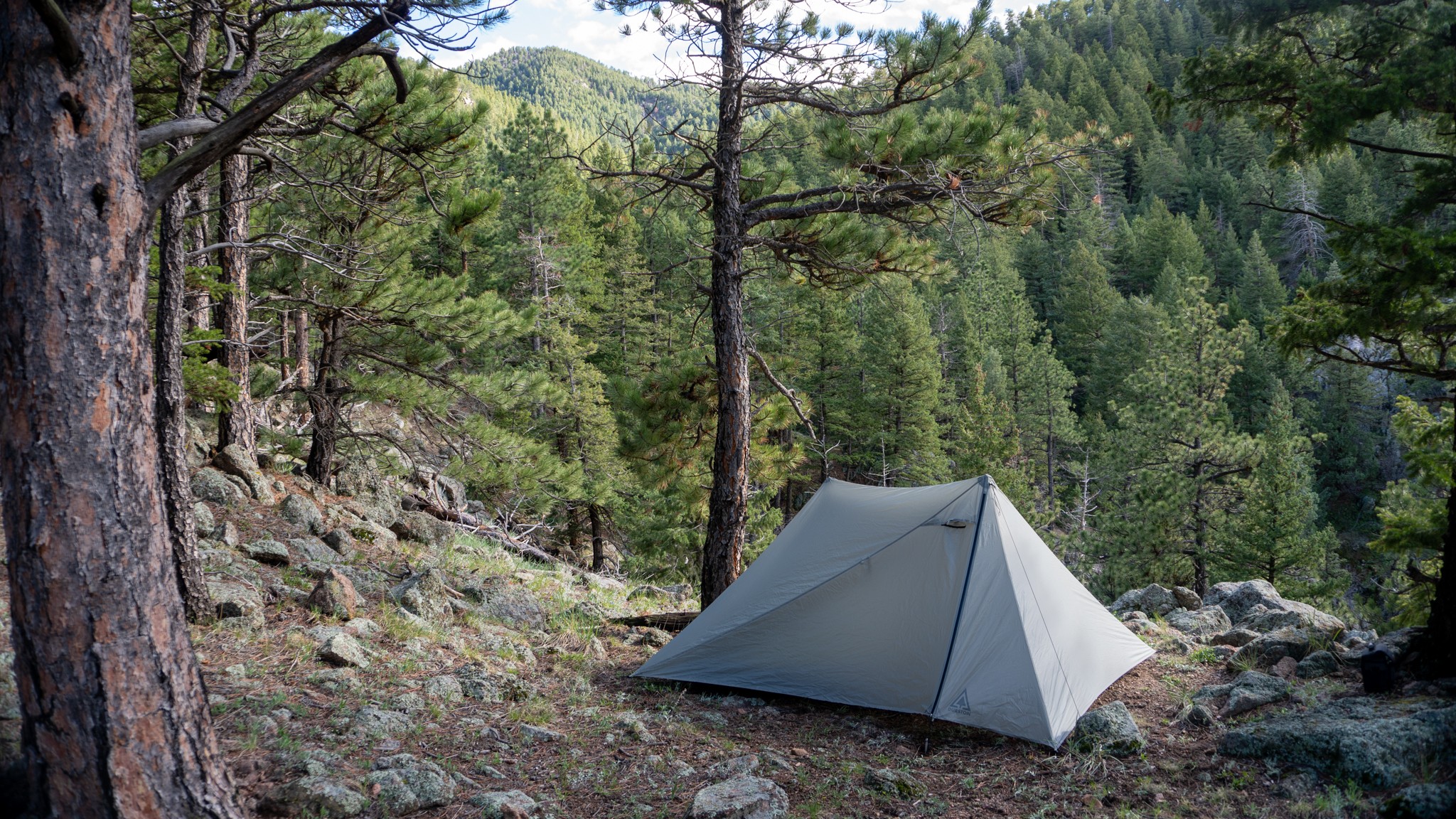
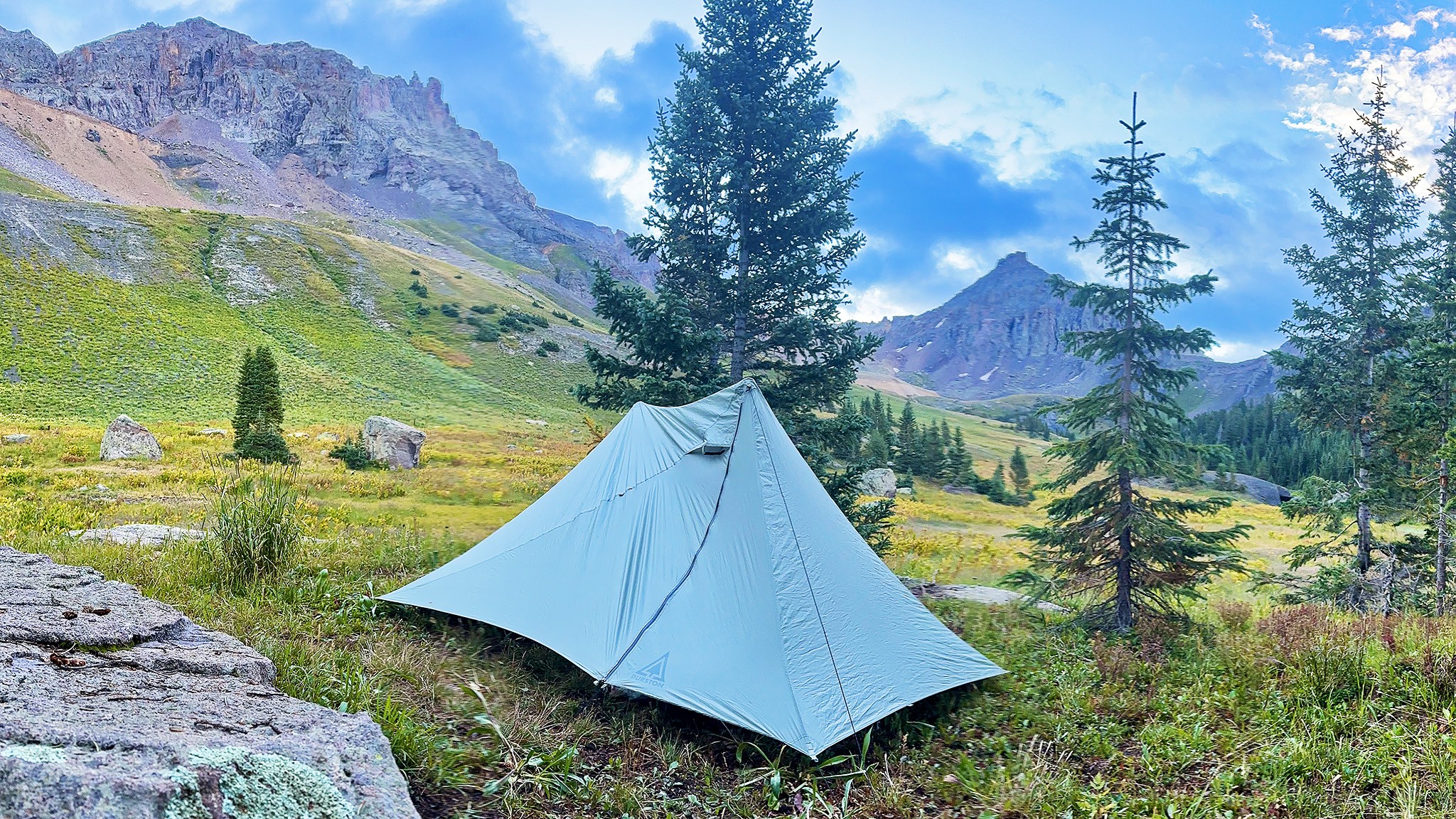
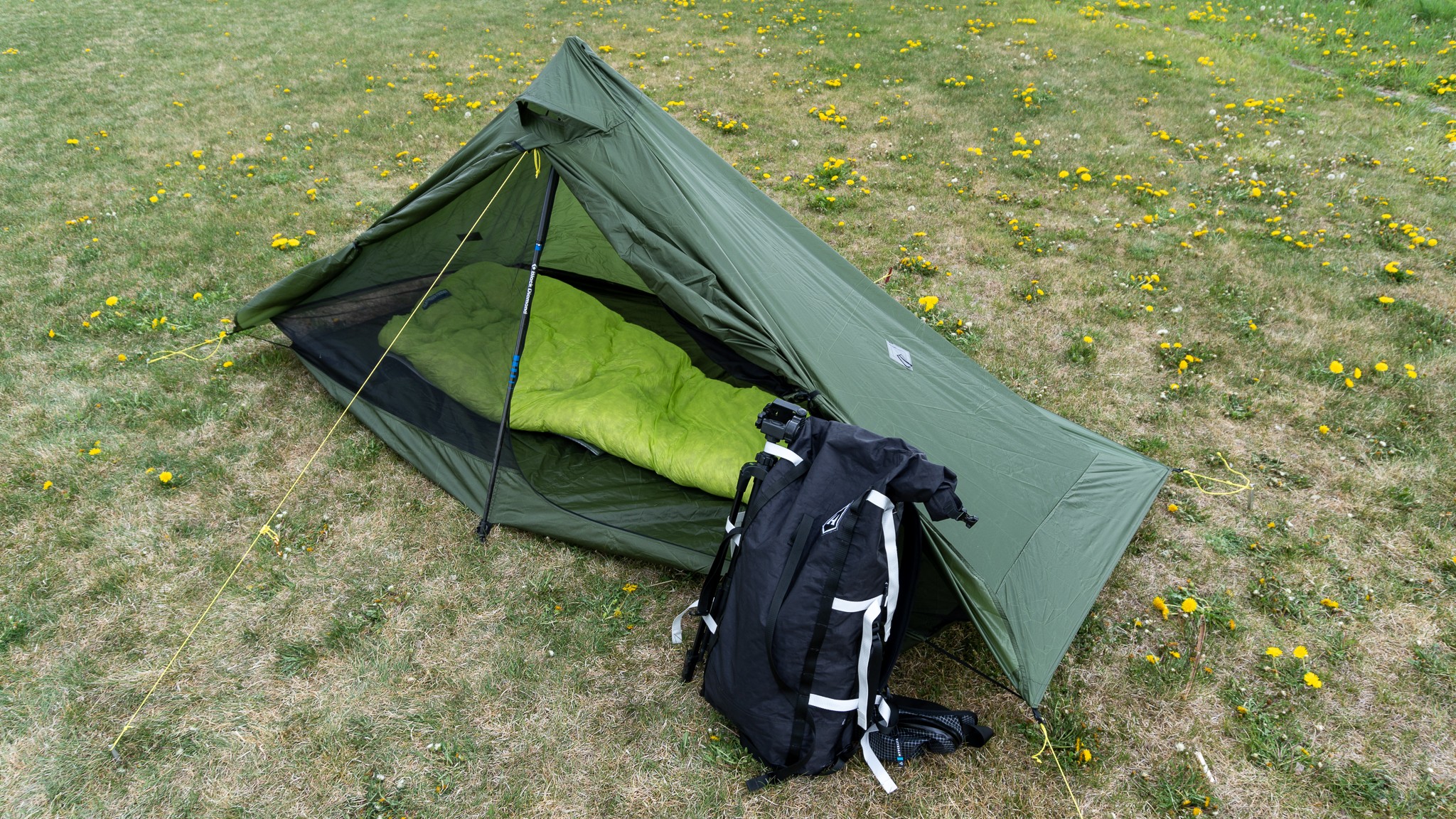
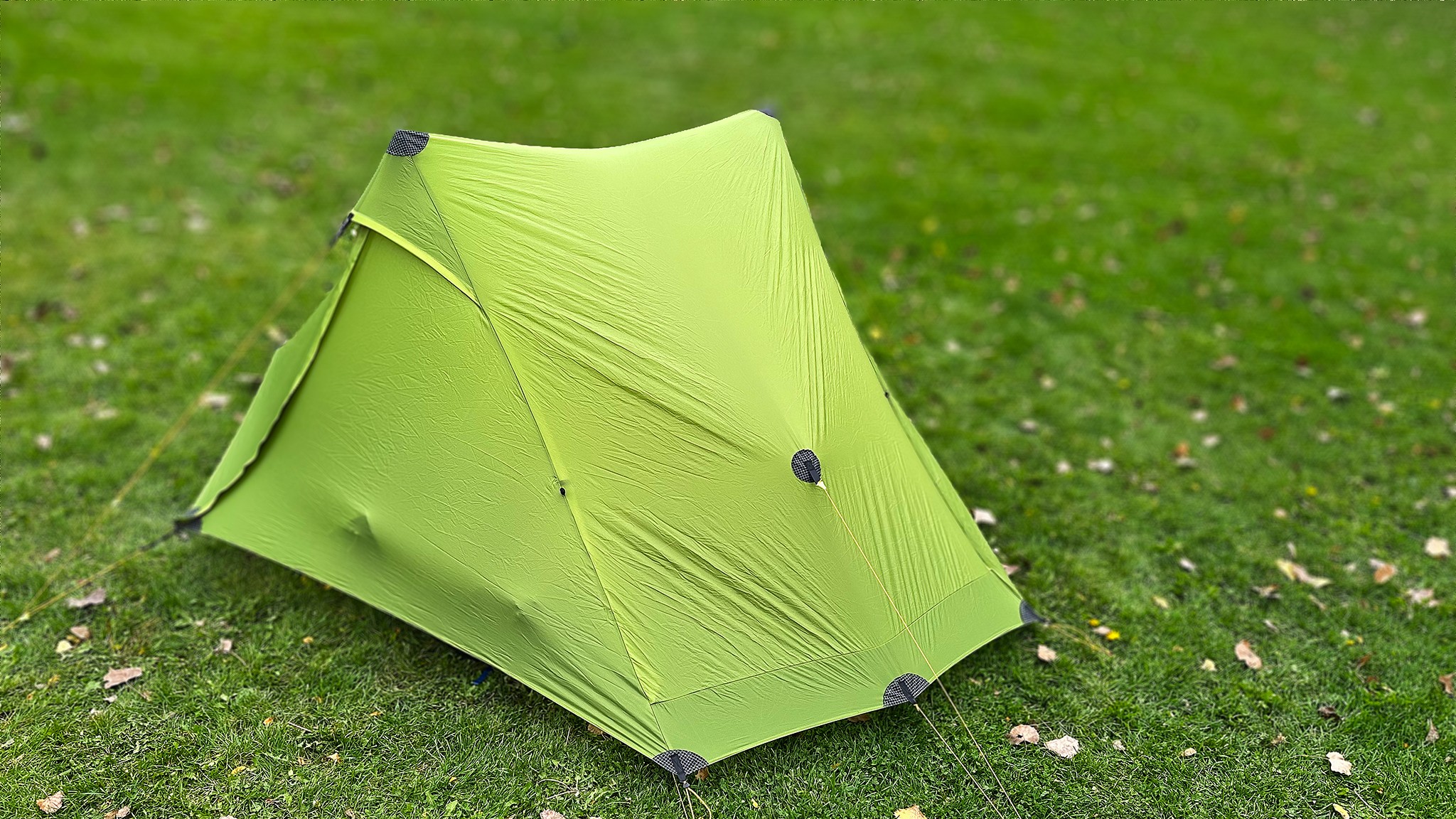
The Durston X-Mid 1P Gen 2 improves upon its Gen 1 predecessor with 30% more internal space and slight redesigns of the entry doors, top mesh pockets, and vents — all while keeping the tent and fly's combined weight nice and slim. Even though cheaper options exist on the market, the X-Mid 1P is still our favorite one-person tent for the price. The simple setup of the rain fly and the exceptional protection from the elements it provides are a standout feature. When staked down thoroughly, you'll feel quite cozy in the interior mesh, even if a tempest is raging outside. Condensation is kept to a minimum as the exterior fly makes only slight contact with the interior.
Stakes Updated
During our test period, we bent most of the X-Mid's included stakes, which we found quite weak even in loose sod. However, Durston says they've replaced these stakes with stronger ones. Though we've yet to test and compare the new stakes to the old ones, we appreciate that Durston takes user feedback into consideration to improve upon their designs.
The X-Mid 1P isn't the holy grail of ultralight tents, beginning with its weight, which tips the scales slightly higher than average for tents in this lineup. The interior mesh area is much improved in the latest version, but the 20 square foot area is less than others. Still, the X-Mid 1P is a great choice to keep comfortable in a wide range of scenarios at a great price — precisely what many of us are looking for when embarking on cross-country missions. If you'd rather have more of a traditional, freestanding design, the Nemo OSMO Hornet 1P is another of our favorites.
Weight of Tent, Fly, Stakes: 36.8 oz | Floor Dimensions: 91 x 51 in in
REASONS TO BUY
Very livable and roomy interior
Excellent dual doors and vestibule
Easy to pitch
REASONS TO AVOID
Outdated floor material
Heavier than other 2-person tents
Needs seam sealing before use
We've tested a lot of tents, and our skepticism when receiving the 3F UL Gear Lanshan 2 Pro ran deep. Anyone can produce an inexpensive tent, but can it also be of good quality and deliver value — can it be a product that we would confidently recommend to a friend? We're happy and a little relieved to say, yes, we would recommend the Lanshan. It punches well above its class when it comes to high-quality features we've grown accustomed to having at the end of a long hard hike: the rain fly is an excellent waterproof and strong 20D sil-nylon, and the solid inner keeps all but the burliest of storms at bay. We love the roomy interior and vestibules, and the setup is as easy as it gets for a two-person trekking pole design.
So what's not to love? Well, what you don't get from the Lanshan 2 Pro is the absolute lightest tent out there. Tipping the scales at over two pounds for everything that's included makes this tent stand out as one of the heavier in our lineup, though still reasonable for two people to carry. The tent will also need to be seam-sealed before you take it out into the wilderness. Lastly, we'd suggest investing in some better stakes, as the ones that come with your purchase are small and not as tough as we'd prefer. If you can spend a bit more, the Gossamer Gear The Two is another well-priced option that's a bit lighter.
Weight of Tarp and Guy-lines: 11.0 oz| Floor Dimensions: Depends on configuration
REASONS TO BUY
Lightweight
DCF fabric ensures durability and waterproofness
Can be set up in multiple configurations
REASONS TO AVOID
No protection from insects
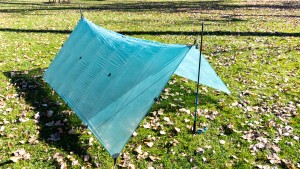
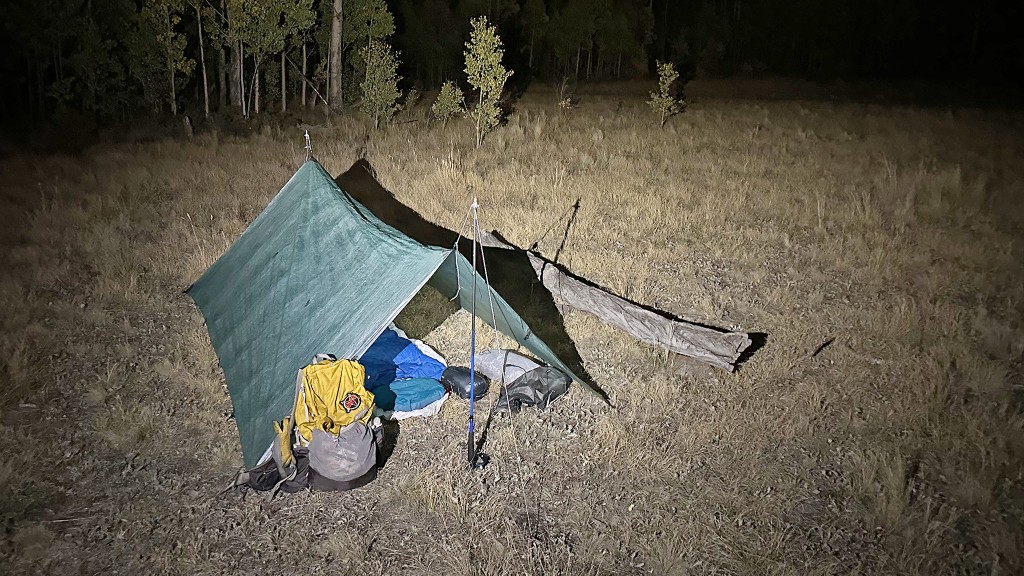
For true ultralight aficionados and die-hard thru-hikers, no form of shelter burdens you less than a tarp. Of the stand-alone tarps in our lineup, the Hyperlite Mountain Gear Flat Tarp is by far the most protective. The design allows for endless adaptability when it comes to pitching options and locations. At only 11 ounces, including copious amounts of tie-out cordage, this tarp is one of the lightest shelters in our entire review. If you don't like carrying a lot of weight and you're willing to skimp on the comforts of a traditional fully covered shelter, this ultra-bomber and durable tarp is our best recommendation.
The super low weight comes with a minor caveat in that you will likely want to bring along a ground cloth to sleep on, and depending on the season and weather, you may also need a bivy sack for added weather and bug protection. You'll also need extra stakes and cordage. This ups the overall shelter system weight and costs a bit. Also, remember that both the price and the weight are for the tarp without the trekking poles needed to set it up or the stakes required to keep it affixed to the ground, so you will have to figure in the money and weight attributed to both. Regardless, if you are in the market for a tarp, the Hyperlite Mountain Gear Flat Tarp is the best one we have ever used. The Zpacks Hexamid Pocket Tarp is also worth a gander if you want to cut even more weight.
Weight of Tent and Guy-lines: 23.3 oz | Floor dimensions: 83 x 107 in
REASONS TO BUY
Tall, steep walls make the living area spacious
Excellent in high winds
Variety of set-up options for ventilation and warmth
REASONS TO AVOID
Requires a single center pole longer than the average trekking pole
Expensive
The Hyperlite Mountain Gear UltaMid 2 is noteworthy in that it's the most spacious ultralight option we tested, by far. This four-sided pyramid is fully enclosed with top-quality DCF material, ranking it right up there with the best for weather protection. But even better, its tall, steep sidewalls and huge footprint mean there is enough space for two people to sleep, plus a dog and gear, with some room left for a kitchen or simply spreading out.
As far as notable downsides go, high cost is one. This tent is also so tall that it needs a center pole longer than a single trekking pole. But if you want a very adaptable, super weather-resistant, fully enclosed shelter that will never have you lamenting the tradeoff in space or comfort, the UltaMid 2 is the ultralight tent for you.
Weight of Tent, Fly, Pole, Stakes: 33.8 oz | Floor Dimensions: 87 x 43/31 in
REASONS TO BUY
Exceptionally easy to set up properly
Refined design, details, materials
REASONS TO AVOID
Pricey
Not entirely adaptable
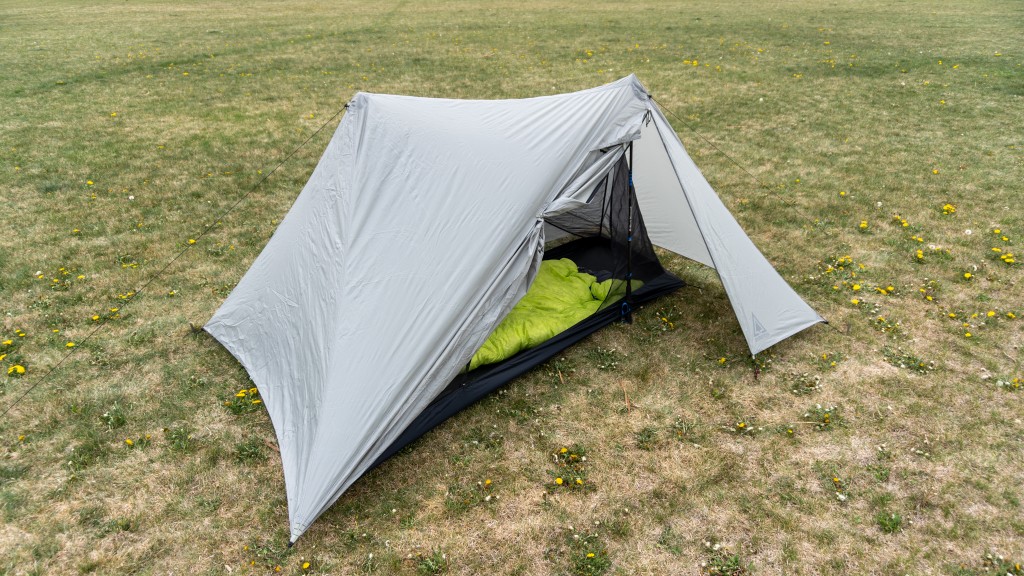
In a world of fiddly setups and absolute critical staking that is ultralight tents, it's a breath of fresh air to come across the dead-simple-to-pitch Nemo OSMO Hornet 1P. The inclusion of a conventional wishbone tent pole banishes the need to get disparate parts to work in perfect harmony: just put the pole in and stake out your tent. Because of this, we can suggest this tent to beginners as well as to backpackers who are coming from a more conventional tent background and are looking to drop some serious weight.
What you may miss out on from your other ultralight brethren is pure adaptability. There's no real way to customize the absolute layout of your tent like you can with one of the tarps in our review, nor customize the pitch to let in more or less air for ventilation purposes. But the OSMO Hornet can be put up without the rainfly for star gazing, and the excellent design can be seen in even simple details like cinch straps. The use of proprietary nylon and polyester for the rain fly and tent body is intriguing enough to warrant giving this tent a serious look, even from accomplished ultra lighters.
Weight of Tent, Fly, Poles, Stakes: 31.6 oz | Floor Dimensions: 85 x 50/42 in in
REASONS TO BUY
Quick and easy setup
Next-level materials and exceptionally refined design
REASONS TO AVOID
Very costly
Not as stormproof as other tents
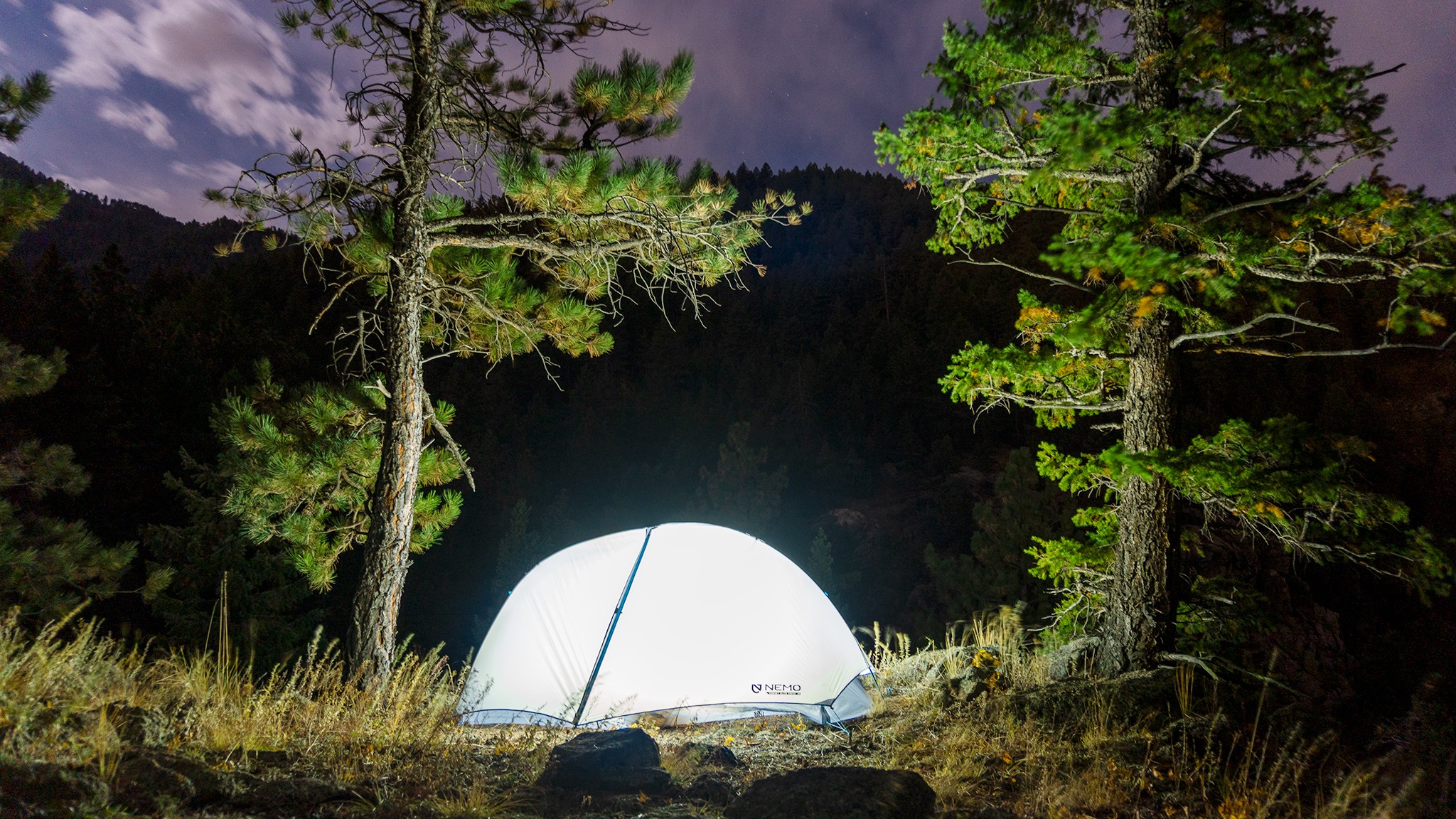
The Nemo Hornet Elite OSMO UL 2P comes to the party weighing just shy of two pounds for the fly, inner, poles, and included stakes, making it actually lighter than many of the other ultralight tents in our lineup that require you to bring your own poles and stakes! If you're looking for the lightest semi-freestanding tent out there, this may be it. It's even a few ounces lighter than Nemo's one person OSMO Hornet.
How this is accomplished is sort of a game in geometry: the Hornet Elite OSMO 2P is actually a smaller tent in many ways than the one-person, non-Elite version, with a shorter 37-inch ceiling and even more aggressive cuts to the rain fly. This makes for somewhat cramped conditions for two people — we may even go so far as to suggest not looking at this tent if you and your hiking partner are both over 5'10". Other than the tight quarters, weather resistance isn't as impressive either — this wouldn't be the tent to be stuck in during a violent storm. The savings in ounces also comes with a steep price hike, which may turn off more casual campers.
The Nemo Hornet Elite OSMO UL 2P seems light enough to float up to join the rest of the clouds above.
Credit: Justin Simoni
Compare Products
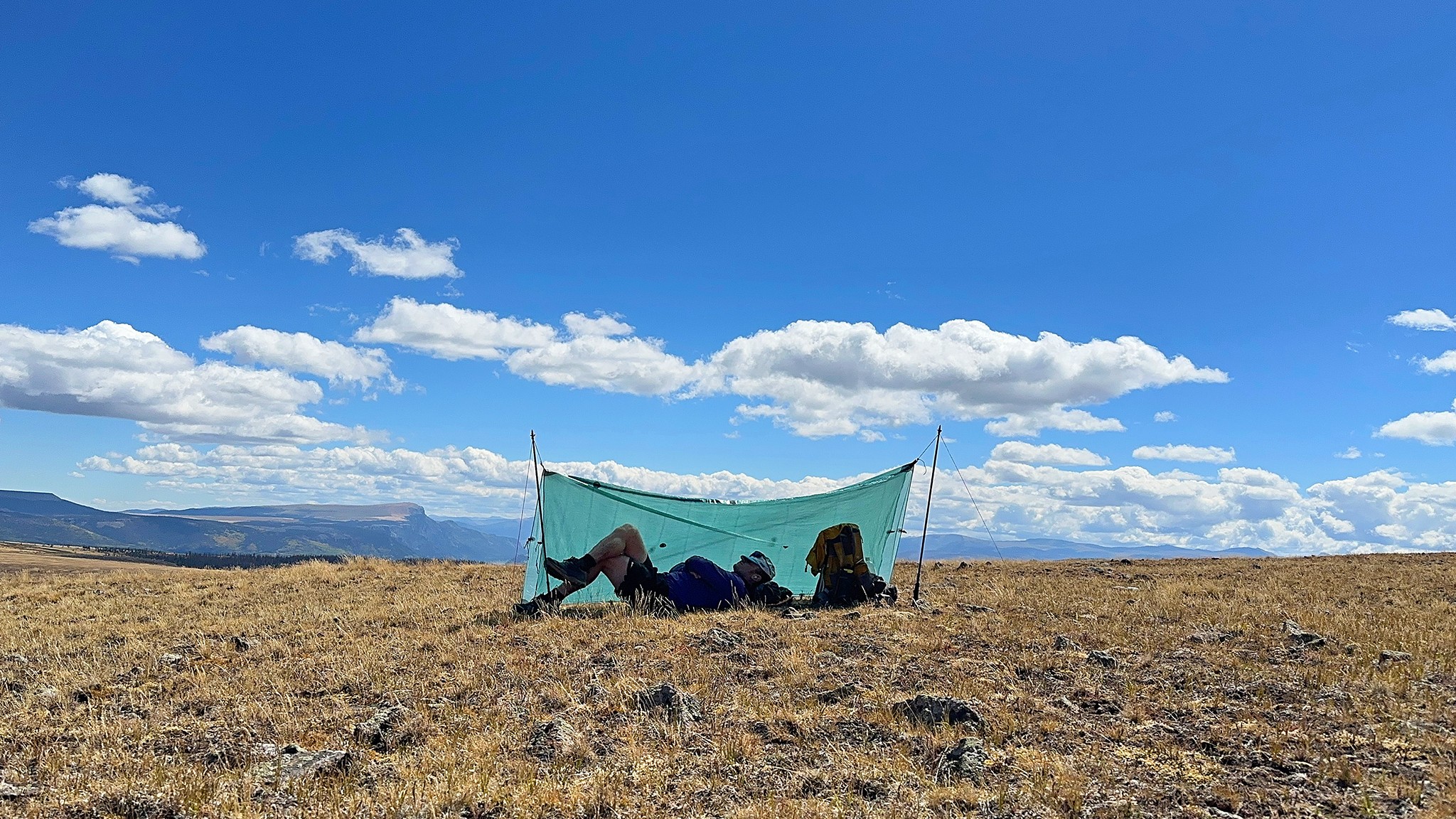
We test our tents across a myriad of environments and conditions. Here, lead reviewer Justin tries out the Durston X-Mid 1P on woody trails across the Western United States on one of his many fastpacking adventures. Which tent is best for your ambitions?
Credit: Justin Simoni
Why You Should Trust Us
After many hours researching products online and reading reviews, we select only the best potential ultralight tents to include in our final lineup. We then purchase each one at full retail and take them out on various adventures. We camp with our friends, set them up in our backyards (when travel isn't an option), and take them to a variety of climates around the world. These ultralight tents have seen backcountry overnight ski missions in the Northwest, bike tours in the desert, and backpacking adventures throughout the USA and beyond. Our testing is objective and based on well-founded, unbiased, hands-on research. After spending weeks and months in these tents, we've identified key differences and the best uses for each one.
We test and rate ultralight shelters based on five performance metrics:
Livability (30% of overall score weighting)
Weight (25% weighting)
Weather Resistance (25% weighting)
Adaptability (10% weighting)
Ease of Set-Up (10% weighting)
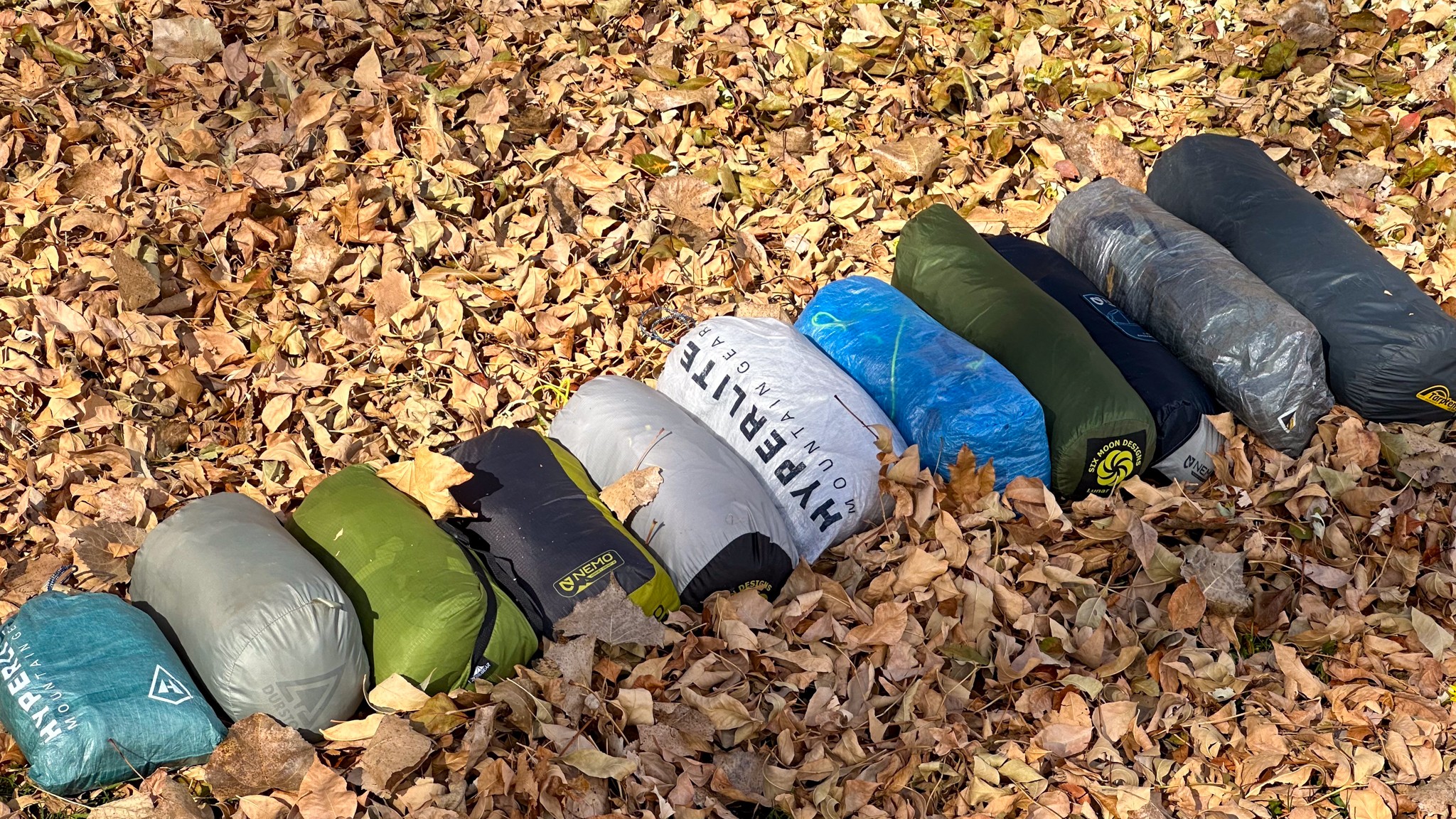
A whole squad of ultralight tents, pitched and ready to be scrutinized.
Credit: Nolan Anderson
Our ultralight tent testers include a team of seasoned adventurers who have a craving for long excursions and light gear. This review is headed up by Justin Simoni, with support in prior years from Andy Wellman, Matt Bento, Amber King, and Ben Applebaum-Bauch. Justin is an outdoor adventurer, coming up with nearly impossible trips on foot to test his meddle against the Colorado mountains. He keeps a detailed account of his inspiring adventures on his blog: Justin Simoni as: THE LONG RANGER. Andy is a seasoned ultra trail runner, writer, and publisher. Outside of spending hours rambling across the United States in search of new adventures, he has published several climbing guides. Matt is a Yosemite Search and Rescue veteran who knows the importance of going fast and light. Amber is an avid trail runner, fastpacker, and explorer. She enjoys putting together solo long-distance missions in remote places like the Hornstrandir Nature Preserve in Iceland. Ben got his start in the outdoor adventure industry by leading multi-week backpacking, cycling, and canoeing trips, and he has thru-hiked several of America's iconic long trails.
When we couldn't go backpacking, we'd set these tents up side-by-side during various storms and then sleep out in them to see how they fared.
Many ultralight tents can be very cramped, but we assessed livable space as a determining factor in our overall scores.
This is not car camping... Here are two Megamid shelters from Black Diamond used for kitchen shelters on the Gulkana Glacier in Alaska.
Analysis and Test Results
We highlight ultralight tents that weigh around two pounds (or close) and with a myriad of designs and options. From simple value tarps to expensive Dyneema fully enclosed designs, we aim to choose and compare the best options on the market. Across the board, we feel that livability, weight, weather resistance, adaptability, and ease of setup are the most important factors to consider while ultralight camping, which all equate to reliability and mitigating risk in the backcountry. While some options don't score high, they certainly fulfill a certain niche. So while perusing, first determine what features are most important to you, then search those metrics to find answers about what you should buy.
Timing how long it took us to set up each tent was a great metric to help back up our claims on which ones are easy or hard to set up. The Nemo OSMO Hornet 1P was a breeze to put up correctly.
Credit: Justin Simoni
The average outdoor recreationist doesn't need an ultralight tent. However, if you plan to spend weeks on end in the backcountry, your happiness will be directly proportionate to the amount of weight on your back. Prices for ultralight gear can be high, but they don't necessarily have to be. Be sure to check out the more affordable options that might fully satisfy what you're looking for if you're on a budget.
Value
In the world of ultralight gear, you generally get less material for more money. Newer materials, like Dyneema, are being used in more tents, driving up the cost. While you might find yourself dropping a wad of cash on your next ultralight tent, some come at a higher value than others. Specifically, those that have better performance and a lower cost. To be frank, the lowest cost is ultimately buying a tarp and rolling it into your pack. However, that bulky item may not be as packable as you'd like. So, we have a few other recommendations.
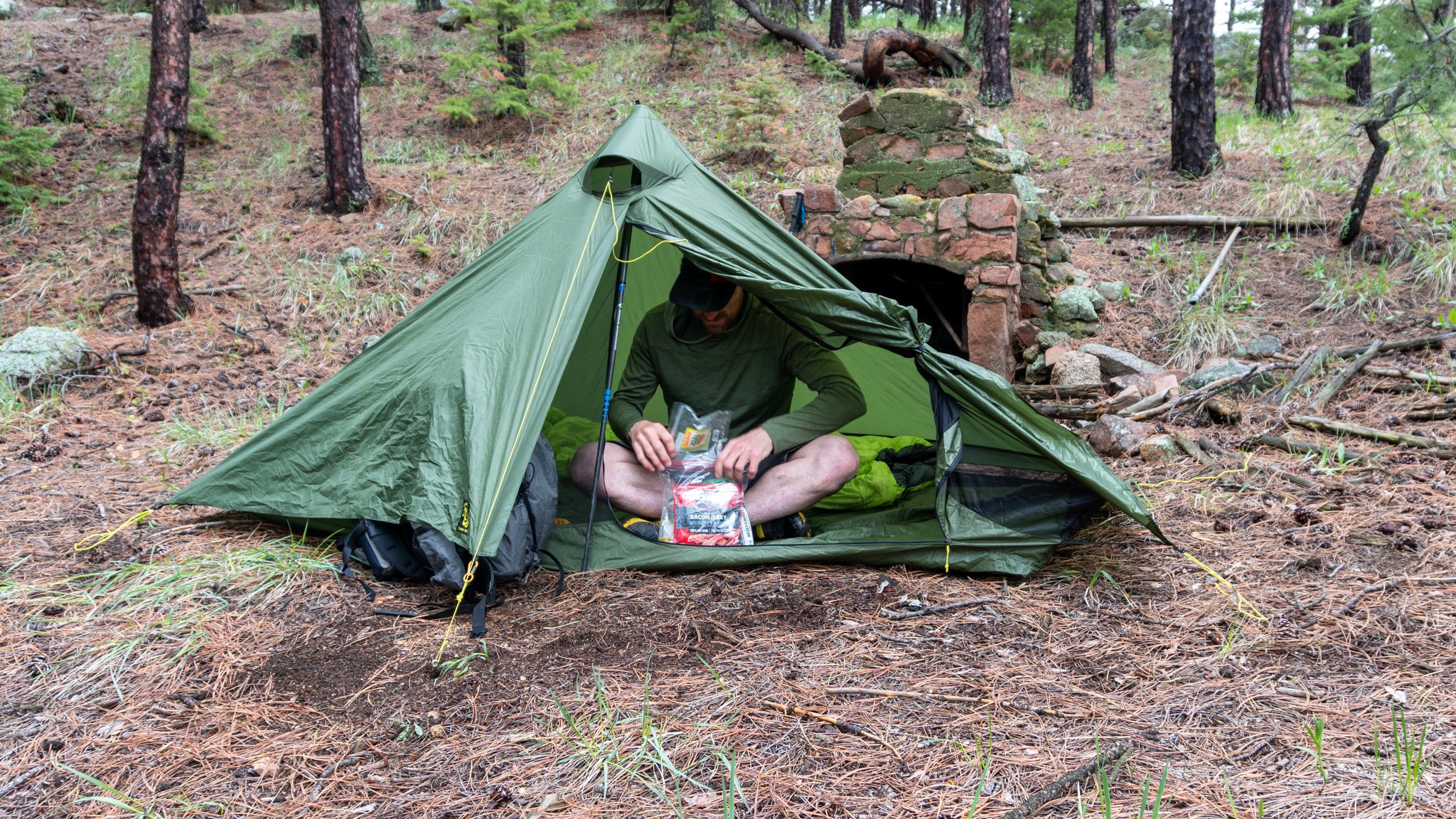
The Durston X-Mid 1P is a very affordable double-wall pyramid shelter with a removable bug net. If desired, you can convert it into a floorless pyramid for weight savings and less bulk.
The Durston X-Mid 1P is an excellent value for such a well-designed tent.
Credit: Justin Simoni
The Six Moon Designs Lunar Solo also fares well when it comes to value. It's a little more expensive, but the features are well thought out, and it has a great on-the-trail track record. Keep in mind that you'll want to seam seal this tent before heading out.
The Lunar Solo has enough interior space for our 5'11" tester, and enough headroom to allow them to sit up comfortably.
Credit: Justin Simoni
The 3F UL Gear Lanshan 2 Pro is an exceedingly cost-conscious two-person tent. It scores high in many of our metrics, only stumbling due to its overall heft. But split between two people, it's still a very acceptable weight. You'll need to seam seal this tent as well to make it truly waterproof for anything more than a foggy night.
Although not a flyweight, the Lanshan 2 Pro packs a lot of features and value in its two-person profile.
Credit: Justin Simoni
Although certainly not cheap, the Tarptent StratoSpire Ultra comes in several hundred dollars cheaper than its sibling, the Tarptent StratoSpire Li. Swapping out costly DCF in favor of the newer Ultra TNT materials grants you similar performance with a compromise of a few more ounces.
The StratoSpire Ultra's large vestibules are great for gear storage and, with precaution, cooking.
Credit: Justin Simoni
Livability
Your shelter's livability is the main attribute that accounts for your happiness on the trail. We define livability as how comfortable it is to live in each ultralight tent: sleeping, sorting and storing gear, and waiting out storms. A few other attributes we consider to be important also include insect protection, condensation management, privacy, and whether a tent has a floor or not. We consider livability to be one of the most important considerations because if your tent isn't comfortable, it's not a worthwhile purchase. That said, you can skimp on livability to opt for the lightest or the most packable, but it's important to know what conveniences you're giving up.
The tents that scored the highest are those with large storage vestibules, good ventilation, and additional storage. We also took to models that allow you to sit up while inside with enough lateral room that you're not pressed up against the fabric wall. Having enough breathing room is important not only for comfort but for keeping your sleeping bag and the rest of your gear as dry as possible too. A certain amount of wetness and discomfort is expected on trail, but the more you can mitigate it, the better.
What's incredible about the UltaMid 2 is the sheer amount of interior space. There was plenty of space for this solo adventure and his ski touring gear.
Credit: Andy Wellman
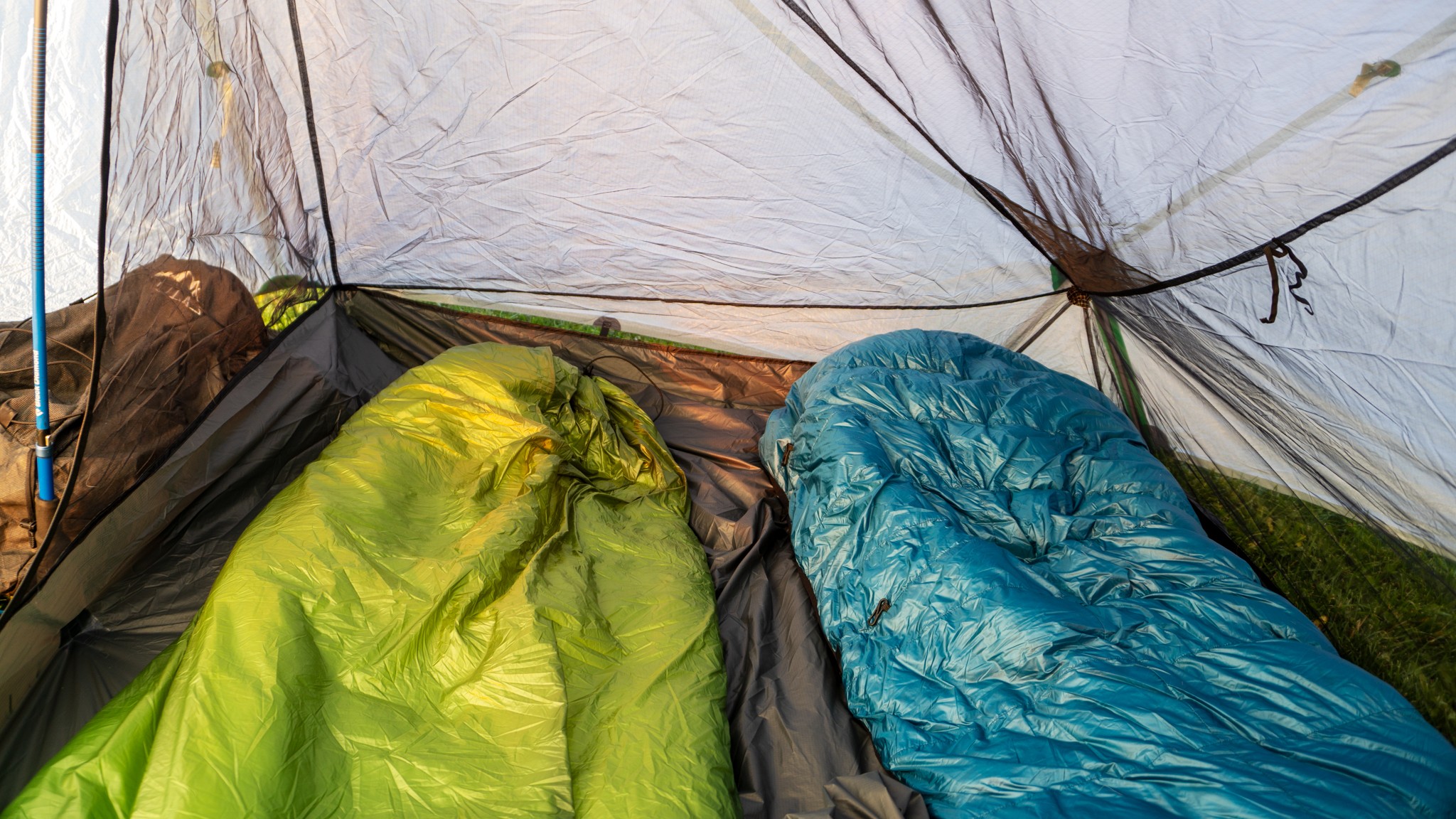
One of the most enjoyable and comfortable tents to take on the trail is the Tarptent StratoSpire Ultra. A single occupant will feel absolutely spoiled within the completely meshed-in, almost 33-square-foot interior. Two people can occupy it snugly and still be at a loss with what to do with all the external vestibule space other than bring along a golden retriever or two. Excellent ventilation keeps condensation at arm's length — doubly important when the inside space is shared.
The StratoSpire Ultra's interior easily fits two sleeping bags side by side.
Credit: Justin Simoni
Looking like the Cadillac of one-person ultralight tents, the Nemo OSMO Hornet 1P certainly helps make life easier for long stretches on the trail. With one of the easiest setups of any of the tents we've tested, you'll appreciate getting camp set up fast if you need to spend a while in one place. The generous living area can easily swallow up a pack or a puppy, with plenty of room in its vestibule. The Gossamer Gear The Two is tall and wide with an adjustable peak height, which can be made larger with a taller trekking pole.
Tons of headroom and plenty of space outside to stash a dirty pack in the Nemo OSMO Hornet 1P.
Credit: Justin Simoni
While tarps offer great adaptability, living in one for an extended period can be cumbersome. Some tarps offer an optional "bathtub" that connects to the main tarp body to keep things a little more livable. One such tarp is the Six Moon Designs Owyhee Backpacking Tarp, which bridges the gap between pure tarp and full-featured tent.
The footprint of the Owyhee has a slight tension when attached to the main tarp body, create a hammock-like effect.
Credit: Justin Simoni
Pure tarps can be luxurious if you have nice weather and no insects since you can really let loose and set them up with an absolutely massive footprint to cook, sleep, play cards, write, read, or even play music. A tarp like the Hyperlite Mountain Gear Flat Tarp offers up an unfathomable 52 square feet at its maximum. Just note that if you need to weather a storm, setting it up in "dart" mode will cut that space aggressively.
There are many creative ways to use the Hyperlite Flat Tarp. Here, we've folded it over on itself to let less light through, and pitched it as a simple lean-to on a section of trail with no natural shade.
Credit: Justin Simoni
Weight
When selecting products for this review, our criteria had one very important detail. All ultralight tents included are around 2.5 pounds or under. As such, all the products tested are light and packable. For each, we took the time to weigh all components. We also look at the packed size and how each fits inside a backpack. It's important to note that for any tent that requires trekking poles for setup, this weight is not factored in. So, when determining how much you want to carry on the trail, be sure to add that to the total weight of all the components.
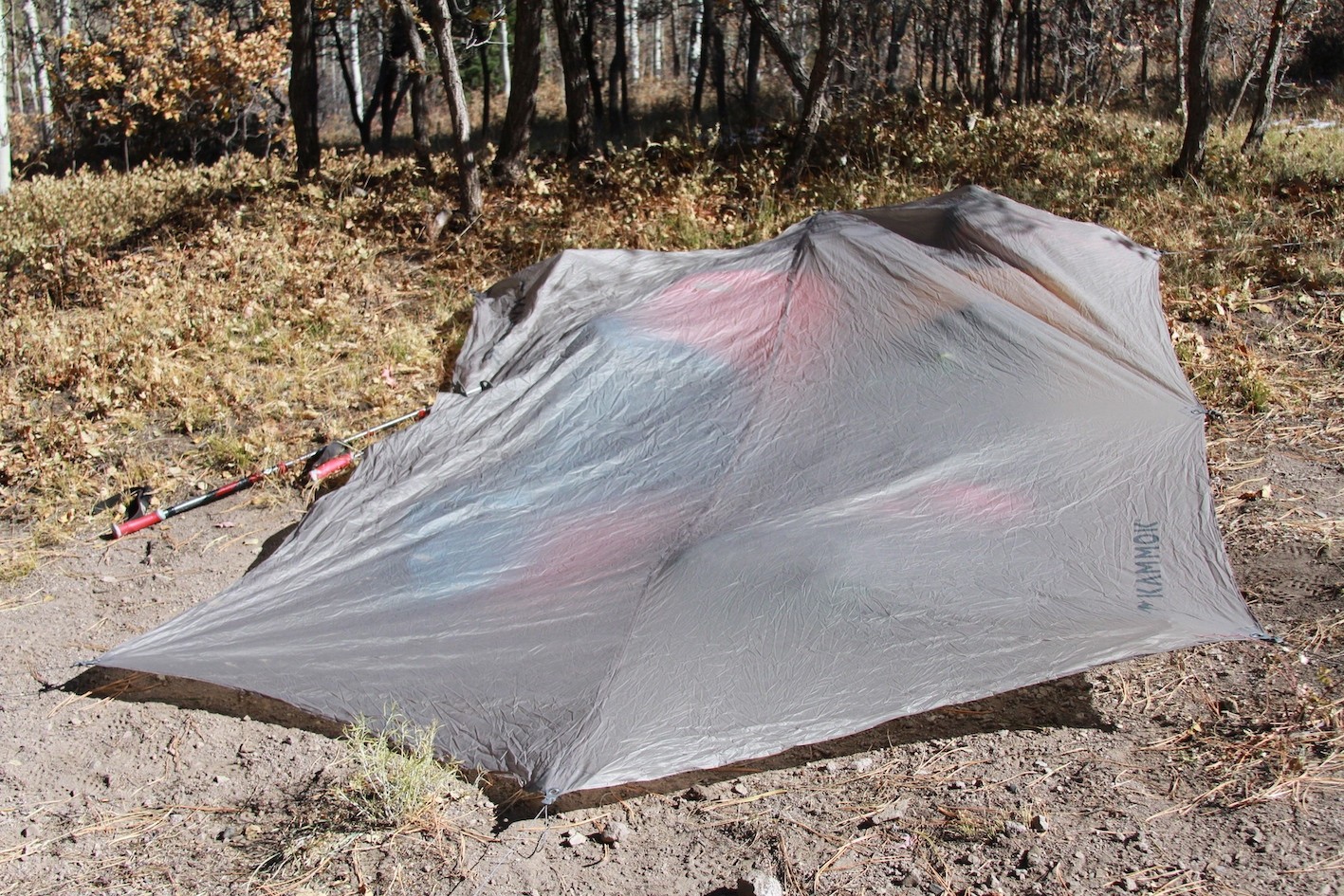
If you're searching for the lightest possible shelter, tarps are the most lightweight and packable option available. Heralded by veteran thru-hikers, these tarps are adaptable and fit flawlessly inside your pack. Of the ones we tested, the Zpacks Hexamid Pocket Tarp comes in first, weighing just 6 ounces with its stuff sack. This is a shaped tarp, a little different from the flat, square options. The Hyperlite Flat Tarp comes in next, weighing only 9.2 ounces on its own and 11.3 ounces with its stuff sack and guylines. The Kammok Kuhli UL is more affordable and weighs 13.5 ounces with its four stakes and sack.
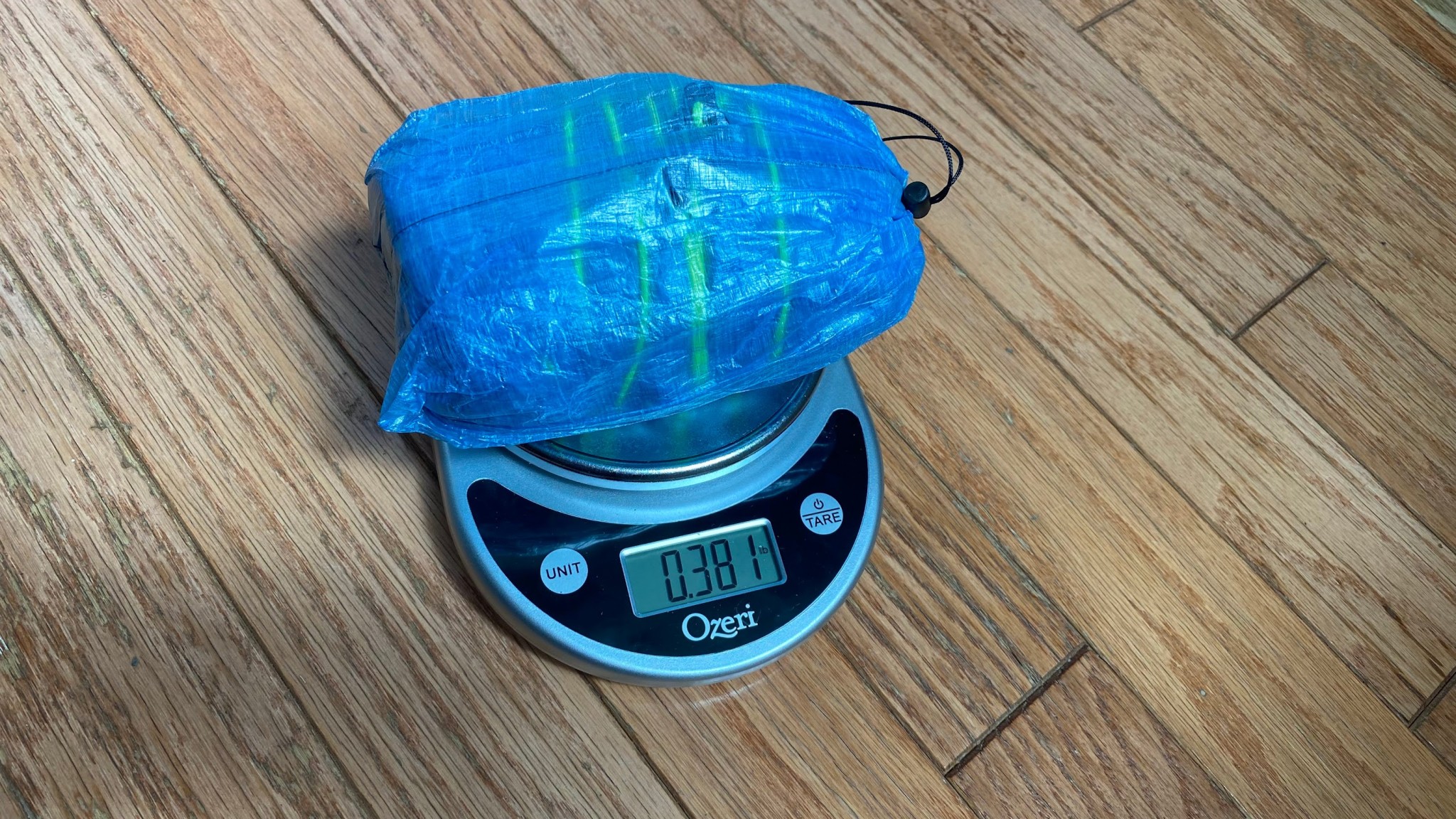
Shelters, especially those made with Dyneema material, are getting lighter and lighter for those who seek a fast-packing adventure. Here we weight the featherlight Hexamid Pocket Tarp.
Credit: Ben Applebaum-Bauch
When traveling with a tarp, be sure to account for the weight of extra paracord and a few extra stakes. This allows your shelter to be more adaptable to any type of terrain.
While tarps certainly skimp on creature comforts like having a full enclosure and don't provide the best protection from the rain or bugs, there are also amazingly light single-wall, fully-enclosed tents. Of them, it's unsurprising that solo options with less material are the lightest. Those built with Dyneema offer the best lightweight protection. Of these, the Tarptent Aeon Li runs away with the top spot at just 19.4 ounces, including stakes and stuff sacks. The Aeon Li requires you to carry at least one trekking pole for setup, which adds a little weight.
The Aeon Li is one of our favorite solo tents; one of the reasons being that you've got plenty of headroom with built-in bug protection.
Credit: Matt Bento
Of the two-person tents, the Hyperlite Mountain Gear UltaMid 2 without floor or mesh accessories is the clear winner. This shelter weights only 23.8 ounces for 63 square feet of internal space and a peak height 64 inches. There's a catch, though: no vestibules means you'll have to store your gear or cook in the same space as you sleep. Adding the pricey mesh accessory for bugs will cut into the interior space, and adding the floor accessory will also add to the already high price.
Modular add-ons are quite common to make a tent adaptable for different seasons. Many shelters allow you to add in bug netting, floors, or other components. Keep in mind that when shopping, you need to consider the weight of any of these extras you might require and add it to your packed trail weight. You can also take these parts off to strip weight away.
The Zpacks Duplex and Durston X-Mid 1P both have a double-wall construction yet retain respectable weights. These can easily be modularized to carry only the tent body if you want to eliminate even more weight. Of these two, the X-Mid is more versatile and most able to withstand heavy use.
Here we tear down the Durston X-Mid. Super fast and easy, we love it.
Credit: Justin Simoni
On the other end of the weight scale, the Nemo OSMO Hornet 1P is one of the heaviest one-person tents we've reviewed, but it finely illustrates how adding a bit of extra weight can make life more convenient on the trail. The included tent pole is partly to blame for weighing it down. The pole is required for the tent to be put up, but it makes set up a breeze and gives you a ton of room above.
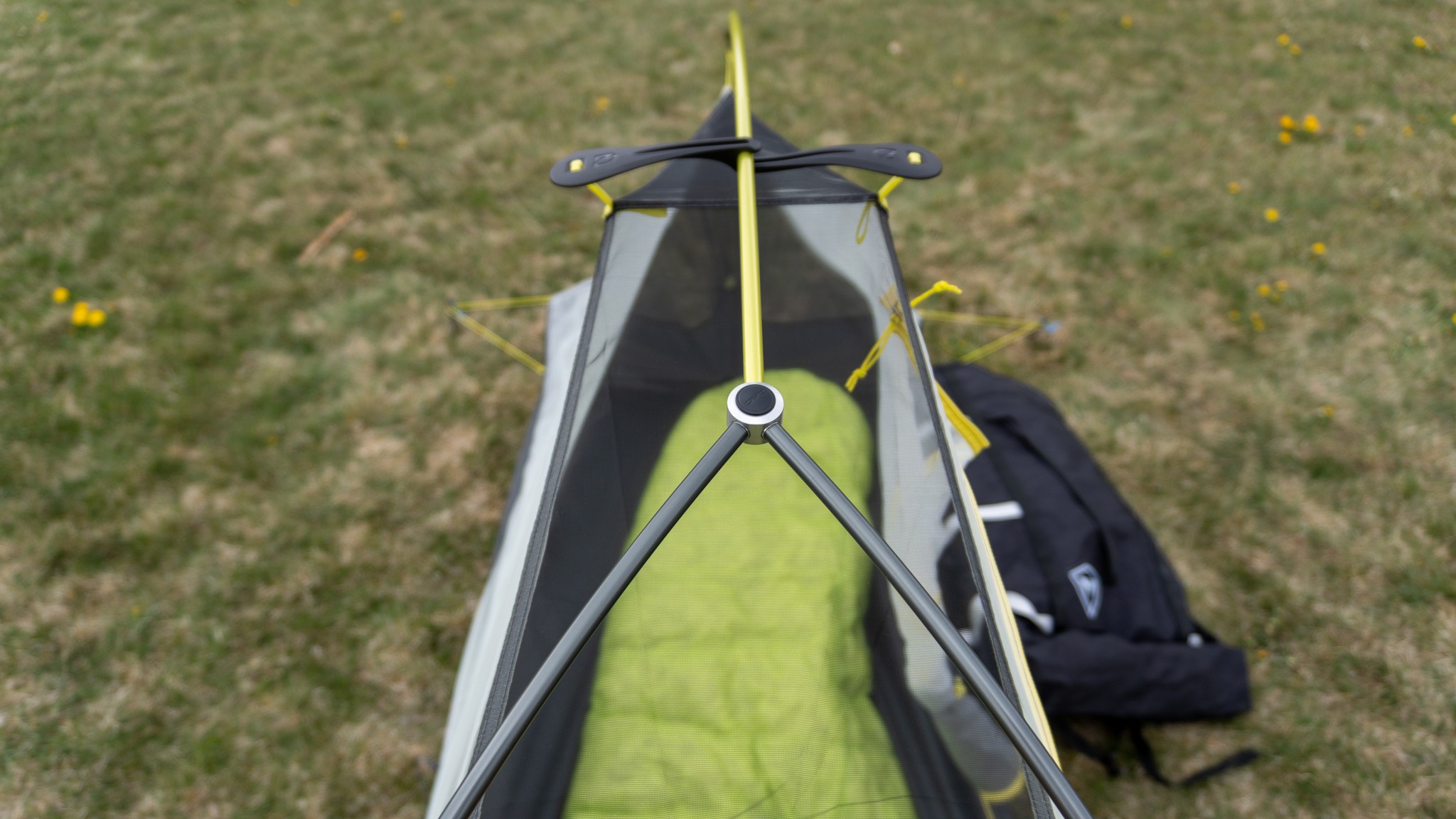
The OSMO Hornet uses a more conventional design of inner mesh and outer fly, held up with a tent pole. Utilizing a tapered fly and a wishbone pole design helps shed weight, but the tent pole still adds a considerable amount of grams to your setup.
Credit: Justin Simoni
The heaviest tent in this category is the two-person Tarptent StratoSpire Ultra. It's a good example of how a plethora of thoughtful features, great interior space, and strong construction can add up when it comes to weight. You'll need to decide if these extra niceties are worth it on the trail. To shave almost 14 ounces of weight — at a considerable price increase — the StratoSpire Li uses DCF fabric rather than the newer, more economical Ultra TNT but has slightly less interior space (26.9 vs. 32.1 square feet).
The StratoSpire Ultra shows that bit of additional weight can sometimes be a good trade-off for a feature-rich, livable, stormworthy shelter.
Credit: Justin Simoni
Weather Resistance
So why don't you just cowboy camp without a shelter? Weather (and bugs), of course! As a standard, your shelter needs to protect you from rain, wind, and the occasional light snowfall. While pyramid designs are versatile enough to bear the load of heavy snow, most of these shelters are for three-season use and typically lack the structure necessary to withstand the weight of a severe snowstorm. While we did get snowed on pretty heavily a couple of nights while testing these shelters, some ultralight shelters provide more protection than others.
After years of testing, we've learned and confirmed that tents made of composite fabrics like DCF and Ultra TNT or tents made of polyester fabric hold their pitch by resisting stretching and don't require re-tensioning. In contrast, tents made of nylon may sag and may require you to leave your interior cocoon of warmth to get out and tweak your pitch.
Several non-freestanding tarp and tent designs have proven themselves trustworthy in sour conditions: true symmetrical center pole pyramids, two pole A-frames and "mids", and their maybe cooler cousins: the "offset mid".
Overview/establishing shot
The classic, simple Boy Scout A-frame pitch.
The exterior rain fly absolutely swallows up the smaller interior tent body.
Examples of three weather-resistant tarp/tent designs: true pyramids, A-frame, and offset mid.
All these tarp and tent designs have a few details in common: trekking poles are used to prop up the ceiling of the tent, and guylines attach to the ground via stakes to provide tension to the fabric, keeping the tent aloft. Any force applied to one face of the tent will be countered by force from the lines running to the ground. You'll see the fundamental principle in action on antennae towers, bridges, or just when you're trying to keep a sapling you recently planted upright to allow it to grow.
A look at the very weather-resistant Tarptent StratoSpire Li that is ultra liveable and does well in poor weather.
Both the Tarptent StratoSpire Ultra and StratoSpire Li absolutely crush in this category, as they integrate all these characteristics. The large vestibules create an area out of the rain for your wet shoes and jackets, while the waterproof Ultra or Dyneema tub-style tent interior stays totally dry. The vestibules feature storm flaps secured in place with tiny magnets.
DCF fabric, formerly known as Cuben Fiber, is entirely waterproof, tough, and durable. It also will not absorb water, meaning it won't stretch or sag when it gets wet and is lighter than sil-nylon. What's not to love?
Credit: Andy Wellman
The Zpacks Duplex is another protective design but has smaller vestibules and a hook and loop closure instead of zippers, which doesn't protect as well from the wind as a full zipper enclosure. The structure, though, is ultra-stable in high winds and one you can easily ride a storm out in.
The Zpacks Duplex is composed of DCF fabric, offering great weather protection and durability.
Credit: Zpacks
The steep slopes of mid-style ultralight tents are also very effective at repelling the wind and rain, and the Hyperlite Mountain Gear UltaMid 2, with its DCF fabric, ranks up with the best. For a more modest price, the 3F UL Gear Lanshan 2 Pro has better than the average stormworthiness due to its inherent mid-style and extra tie-down points. Its sil-nylon fabric may need to be re-tensioned, but the silicone-treated fabric will hopefully keep this at a minimum.
Extra Stakes and Cord Often Not Included
For maximum weather protection, you often need 10+ stakes to fully use all the guy point options. Most of these tents come without stakes, and some others only come with 6-8 stakes. You can buy more six-gram carbon stakes or simply use rocks. Ten or so feet of P-cord can also come in handy when securing your tent to natural anchors like trees or boulders or to make additional guy lines.
One-person tents also show a phenomenal amount of weather resistance. The single-pole Tarptent Aeon Li is engineered with an incredible eye for every small detail to stay solid during the worst weather. Its high-angle sides encourage any surprise snow to slide right off. The Durston X-Mid 1P Gen 2 also shares the attribute of steep sides but uses two trekking poles rather than one to give you two vestibules for cooking, changing, and storing wet gear.
The magnet snap on the Durston X-Mid makes it really easy to keep the fly up and out of the way.
Credit: Justin Simoni
The Six Moon Designs Lunar Solo also has plenty of additional stake-out points when things start to get real. It has a generous bathtub bottom to keep water splashes from getting in, as well as mesh ventilation on the top and bottom to help with condensation when your tent's rain fly is bundled up tight. The polyester material may also fare just a tad better than the sil-nylon found on other, cheaper ultralight tents.
The bathtub-style 40D sil-poly floor of the Lunar Solo keeps wetness from the rain out, while the mesh paneling aids in ventilation to keep condensation at bay. The reinforced panel on the tent face accepts an additional guy line to stake out, if wanted.
Credit: Justin Simoni
Adaptability
Adaptability may be more or less important to you based on where you often camp. If you tend to find yourself off-trail, sleeping on uneven surfaces, or in rapidly changing weather conditions, adaptability will be necessary. Generally, the tarp-style shelters do well in this metric. Snowy? Make a steep-sided shelter or a lean-to with your tarp. Or you could string up your tarp to be as wide as possible to hide from the desert sun. The ability to add or remove floors or bug nets also added points.
As mentioned, flat tarps earn high points in this category. The Hyperlite Mountain Gear Flat Tarp and Kammok Kuhli UL may seem pretty simple, but they offer a huge array of ways to set up for changing weather conditions. Since both are flat, they can deploy easily in a low-to-the-ground storm mode and do a significantly better job of protecting against both rain and wind than in A-frame mode.
Our testers playing with the adaptability of the Kuhli for poor weather situations.
Credit: Amber King
The Kuhli UL has eight different guylines with trekking pole-compatible grommets; there's no need to tie the string off to your poles. This made it super easy to set up and change configurations if wind direction changed, without having to un-stake the tarp. The Hyperlite Flat Tarp uses 16 perimeter tie-outs, with four more found on the face of the tarp; there are many options for tailoring this tarp to your specific environment.
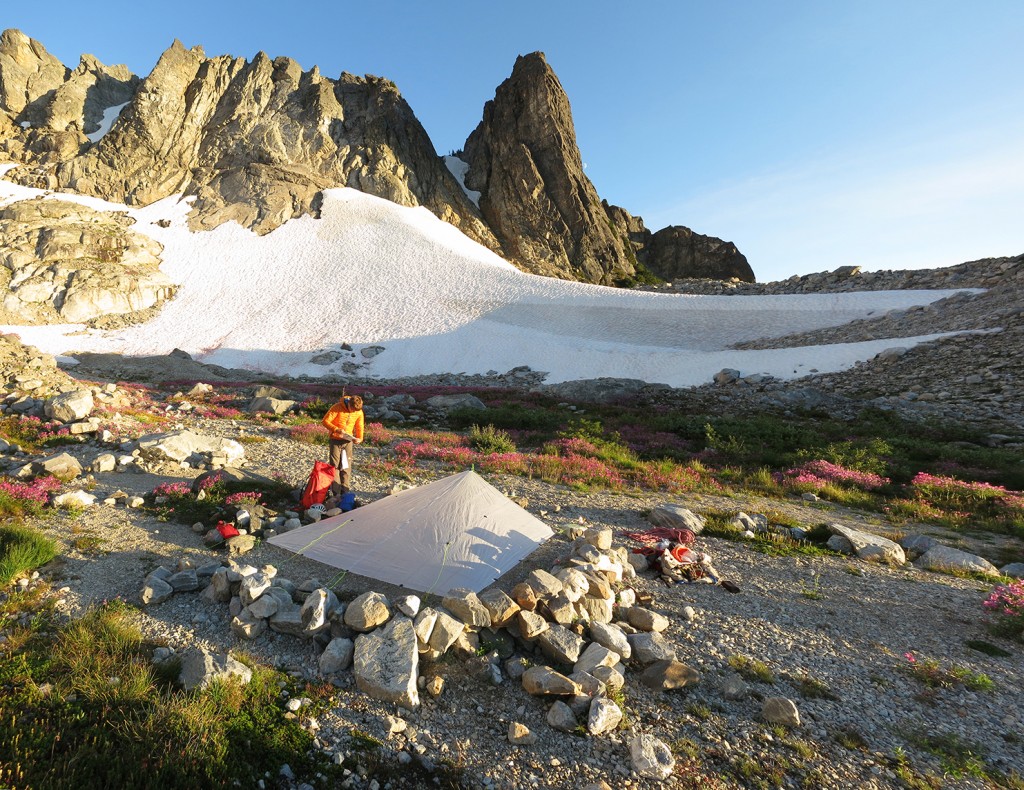
The Hyperlite Mountain Gear Flat Tarp pitched in super-low storm mode without stakes (extra long guylines are wrapped around rocks) in the North Cascades, Washington.
Credit: Max Neale
The second most adaptable designs were the pyramids — the Hyperlite Mountain Gear UltaMid 2, Six Moon Designs Lunar Solo, and Durston X-Mid 1P. All three can be set up high for added airflow or low to the ground for more bomber protection from the wind. They are incredibly weather-resistant, and even though this review is about three-season shelters, pyramids are almost ideally suited as either cook or sleeping tents in the snow or on expeditions, making them genuine four-season options for all but the most alpine of applications.
We pitched all the tents we tested in different conditions and terrain to see how they handled different situations.
Credit: Justin Simoni
We also appreciate the adaptability of the double-wall designs that allow you to sleep under only mesh netting on perfect nights. And since they are primarily freestanding models, they often don't need soft ground to be successfully set up. If the weather looks clear, both the Nemo OSMO Hornet 1P and Nemo Hornet Elite OSMO UL 2P can be set up like this for bug-free stargazing. So can the Durston X-Mid 1P with an inexpensive add-on.
Other designs with a fixed modality for setup didn't do as well in this category. Most require the need to sink stakes, which need to be in a specific place relative to the installed guy lines. Those with more adaptable systems have more tie-off points that you can add in. You can also make any tent more adaptable by bringing a little extra cordage to use when the terrain gets harder to hammer stakes into the ground.
Ease of Set-Up
No savvy backpacker will ever head out into the wilderness without first practicing setting up their shelter at home. With practice, almost all of these ultralight tents and shelters become easy to use. That said, being able to set up in less than a minute or two, alone, in gusting wind that often precedes inclement weather, may ultimately make a difference in your comfort level for the night, especially if the weather lingers for a while. To decide these scores, we busted out a stopwatch and timed ourselves after a couple of practice rounds. We also took advantage of windy weather and practiced setup to see which were the easiest and which felt impossible.
With a more conventional tent pole design, both the Nemo OSMO Hornet 1P and Hornet Elite OSMO UL 2P are some of the easiest and fastest tents to set up, as the pole gives enough rigidity to set up semi-freestanding, making staking the necessary four corners a breeze. It also means that if a stake pops out in the middle of the night, you won't find your shelter fallen down and smothering you.
There's really nothing to setting up a semi-freestanding tent like the Hornet Elite OSMO UL 2P.
Credit: Justin Simoni
Tents with a floorless pyramid construction are also quick to set up when stormy weather is upon you. The Gossamer Gear The Two is super simple. Just peg out the edges and insert one or two poles inside. This makes it very easy to set up during high winds or storms.
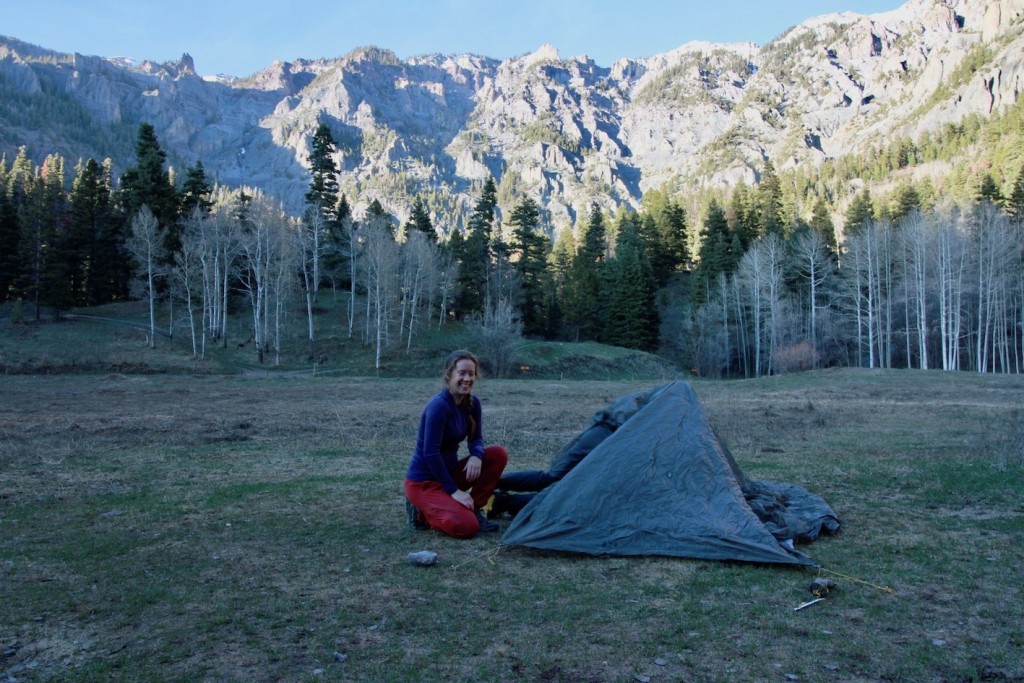
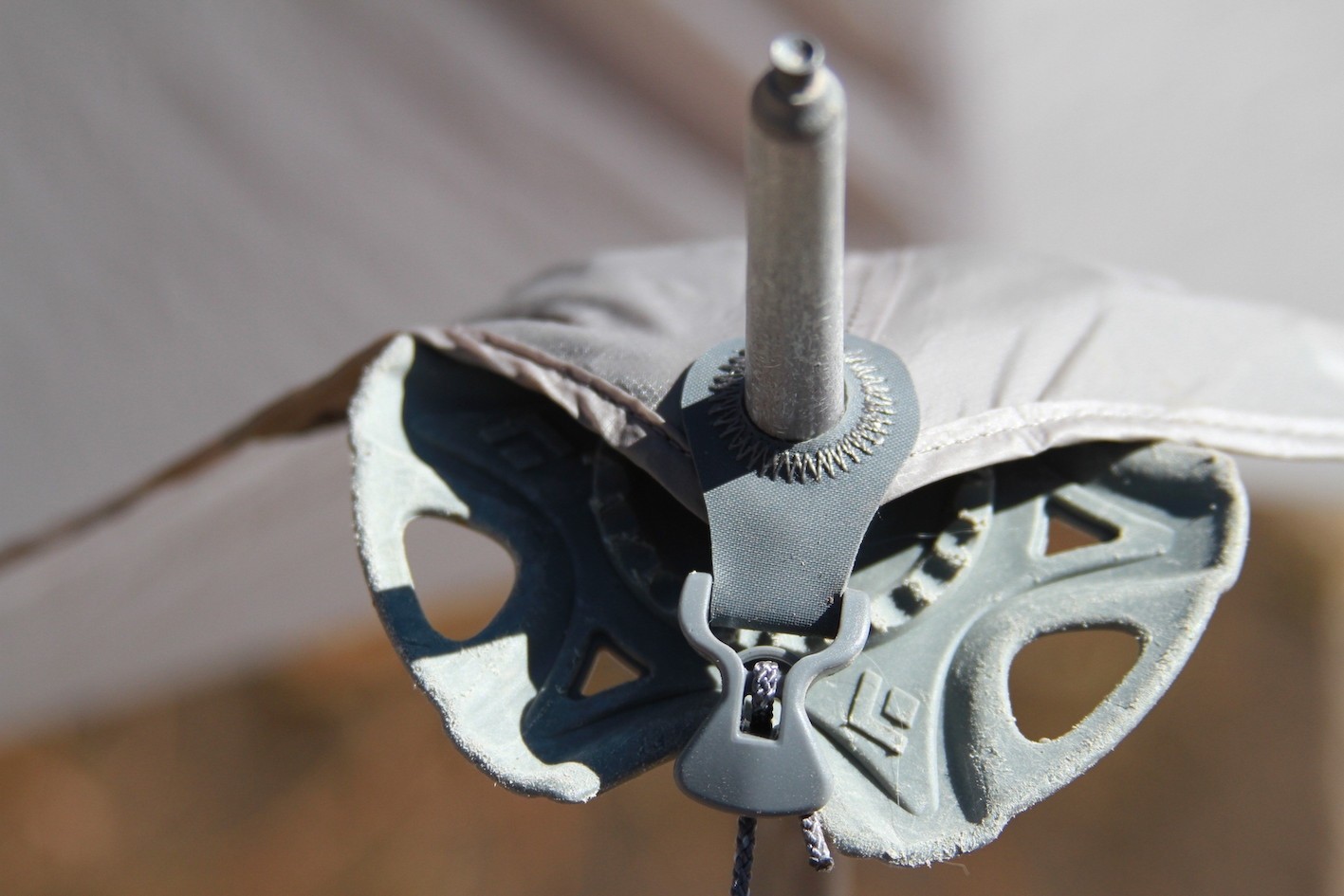
Claire starts by staking out the corners of the tent, before inserting the poles into the convenient handle slots. The Gossamer Gear Two tent is set up quickly, with practice, in under three minutes on softer terrain.
Find a tent with adjustable guy lines like the Gossamer Gear the Two. It'll make adjustments and adaptability far easier to deal with in odd camping sites.
The Durston X-Mid 1P also requires two poles, but its rectangular design and clever ventilation access points for the poles make it quick and easy. And once the rain fly is up, you can put up the inner tent body from within, away from any weather. We could set up both in under four minutes, even in the wind, with one person. If you're looking for extra space, Durston also sells a two-person version of this shelter.
The Durston X-Mid 1P on a early-spring mission on the Colorado Trail.
Credit: Justin Simoni
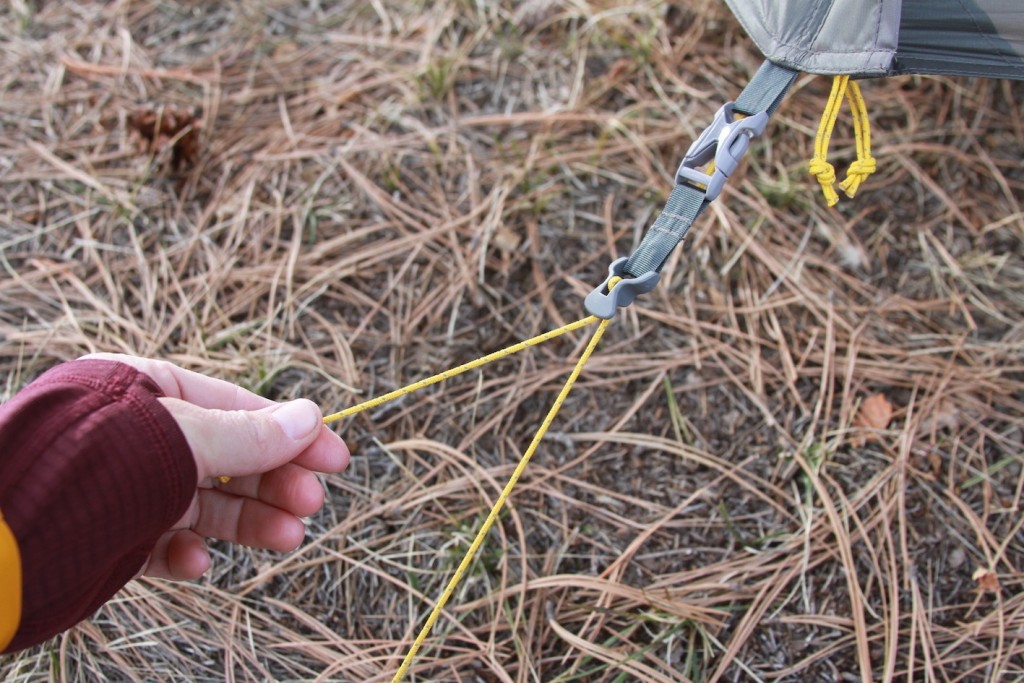
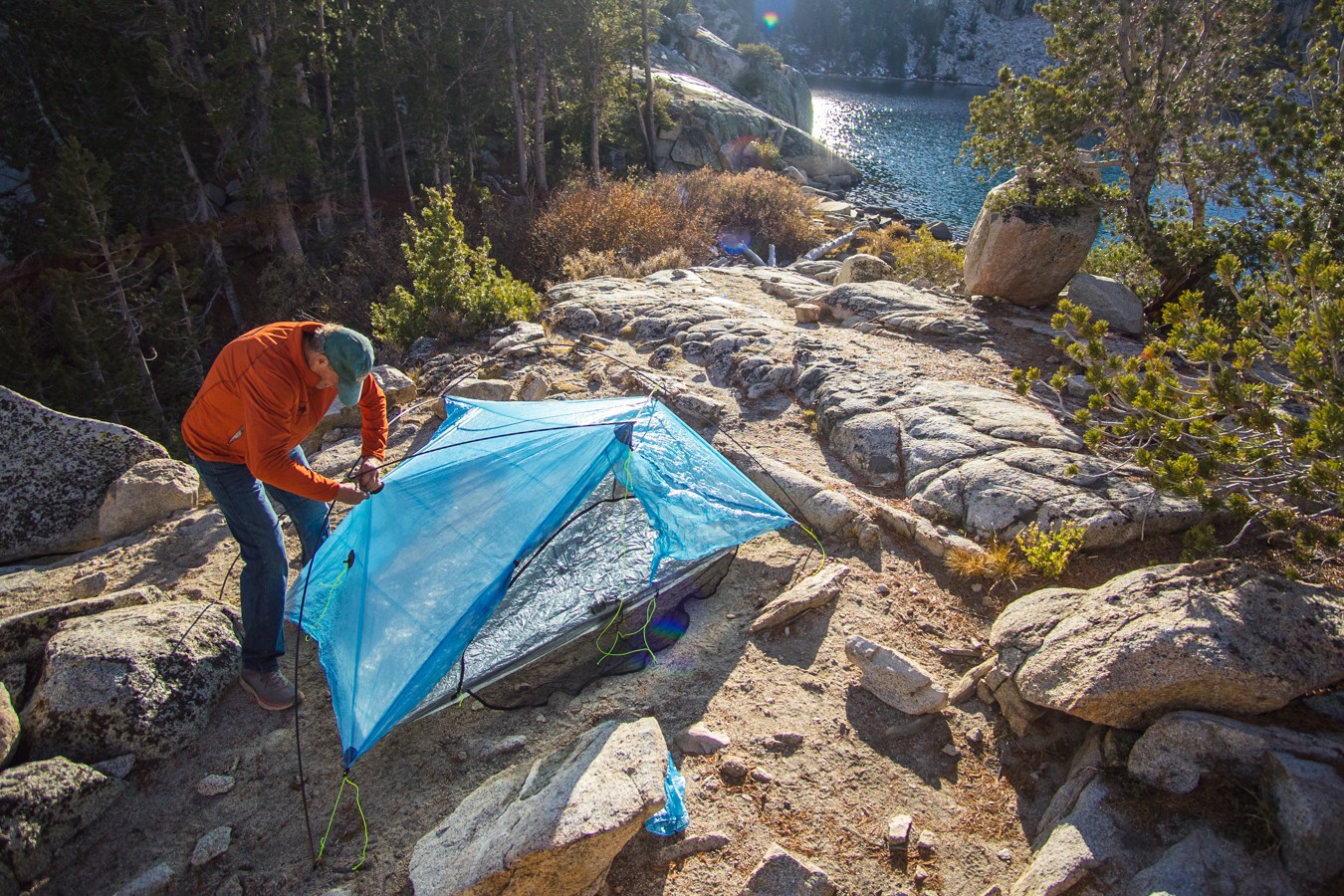
Tarp tents like the StratoSpire Li, Aeon Li, and the Zpacks Duplex include adjustable guy lines with easy-to-use cord locks, but they take a little time to figure out. However, this feature makes it much easier to make micro-adjustments in the middle of the night. If you wake up to snow or heavy rain and didn't correctly tension your tent before you went to sleep, easily tightening the guy lines is much faster than repositioning stakes.
Setting up the ultra-stable Zpacks Duplex Flex Upgrade on rockier terrain.
Credit: Matt Bento
Tarps are the hardest and most time-consuming to set up, especially in wind or rainstorms. However, amongst them rises the Kammok Kuhli UL. With pole-compatible grommets on six sides, all you have to do is stake down all sides loosely and then insert your poles. The adjustable attached guy lines make it simple to tension and release where needed. This is revolutionary in comparison to other tarp shelters where, when setting up with poles, you need to clove-hitch the poles or a stick, which can be cumbersome, annoying, and requires a knowledge of knots.
A look at the pole compatible grommets and tensioners found on all sides of the Kuhli tarp.
Credit: Amber King
The weight savings of a tarp cannot be ignored. Though there may be a learning curve to properly pitching them in inclement weather, acquiring the skills to read the wind, the slope of the earth, and the direction of a storm is an invaluable process. With enough time and practice, anyone can enjoy the versatility and freedom that comes with tarp shelters.
So which ultralight tent are you leaning towards? Before making any big (or expensive) decisions, be sure to consider all the best options out there. Hopefully we've made that step a little easier.
Credit: Matt Bento
Conclusion
How did it come to this? Humans have been walking the earth for thousands of years without sil-nylon, Dyneema, Ultra TNT, or bug netting. Now, we might argue we need to go farther (and faster), and modern design helps to take us there. Bonafide engineers are putting their time, effort, and intellect into designing the strongest and lightest shelters ever known. What a time to be a human-powered adventurer. Even with all the ounce-counting, hair-splitting, and nit-picking, we've had a fantastic time testing out ultralight tents. We hope our efforts and evaluations lead you to a shelter that satisfies your needs and helps facilitate many fast and light mountain adventures.