We buy all the products we test — no freebies from companies. If you purchase through our links, we may earn a commission, which helps support our testing.
Looking for the best tent for your next backcountry adventure? Over the past 12 years, we've purchased over 100 trail-ready shelters to test in real-world conditions. The top 18 contenders are included in this review. Our experts took these tents out for weeks of wet weather in Maine, then to Utah's high and dry desert climes. We've set them up side-by-side to compare their comfort, weather resistance, complexity, and weight. Then, we hit the trail to spend some quality time with each. Whether you want a top-tier option, a durable model that will last for the long haul, or a high-value backpacking tent with a modest price tag, we've got you covered.
Editor's Note: We updated our backpacking tent review on April 19, 2024, to offer additional recommendations in our award section and to include a segment on how we test these tents.
Weight: 3.81 lbs | Dimensions (in): 89 L x 68/59 W x 43 H
REASONS TO BUY
Highly versatile
Very light
Excellent headroom
REASONS TO AVOID
A tight fit for three
Durability concerns
Expensive
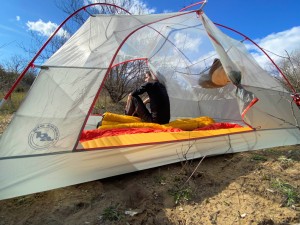
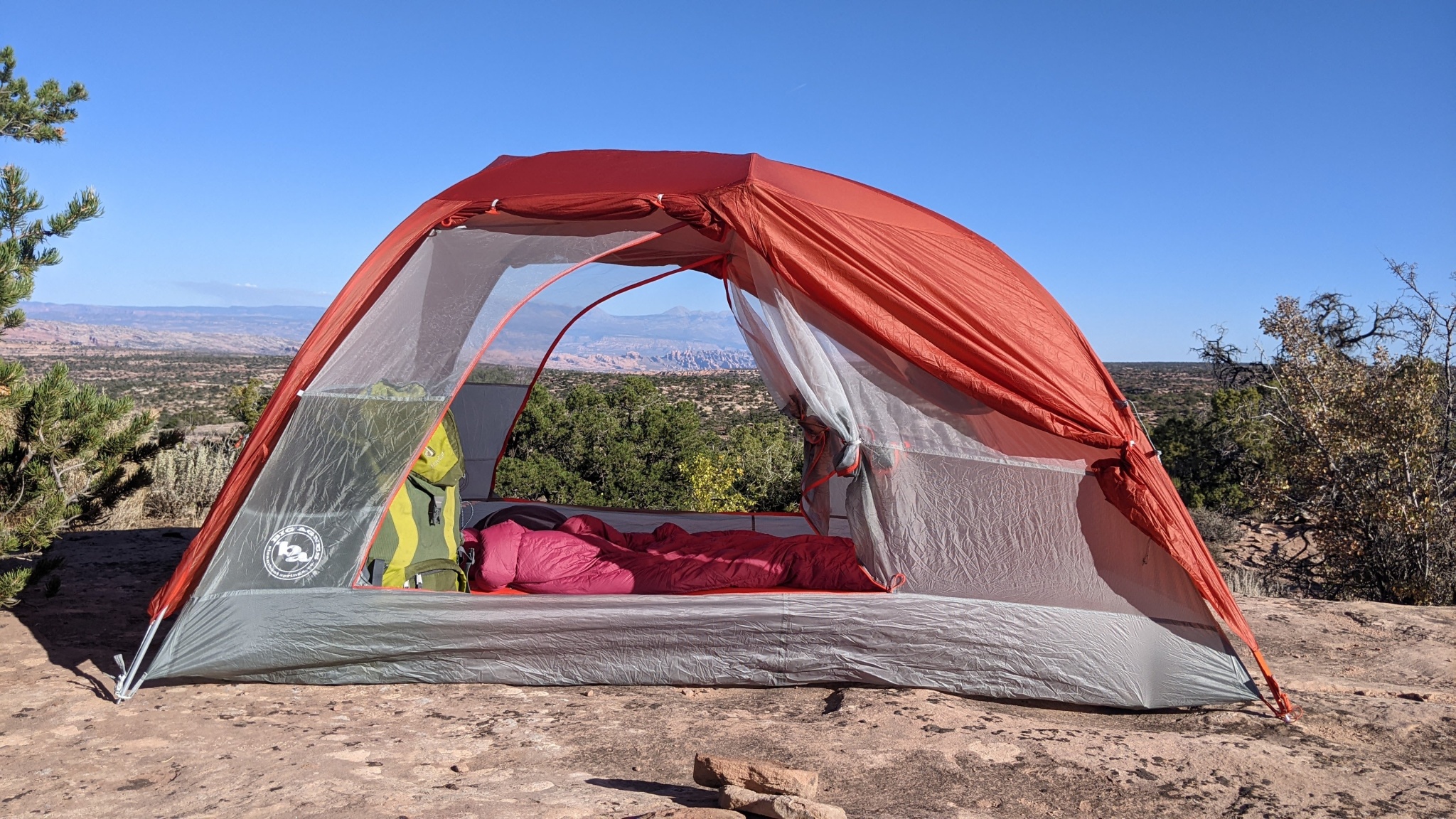
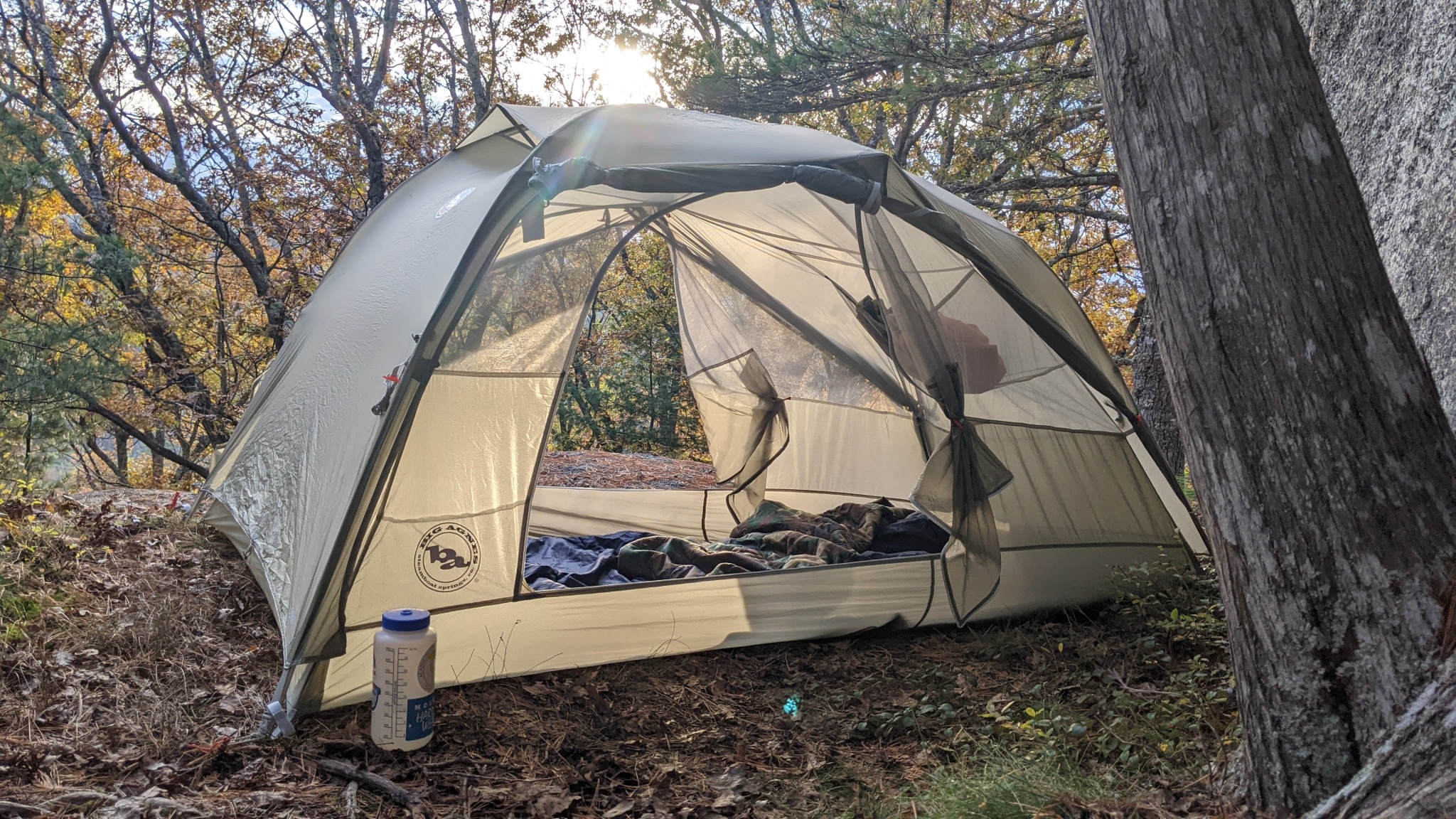
The Big Agnes Copper Spur HV UL3 offers more interior floor space and headroom per pound than any tent in the test, yet weighs less than many 2-person options and packs down as small as the Big Agnes Copper Spur HV UL2. That makes it pretty compelling, even if you only hike with two other people on occasion. The 18 sq ft vestibules and eight internal pockets, including a massive gear hammock hanging from the ceiling, should help when sorting gear. A strutted vent in the ceiling cuts down on condensation inside the fly and helps the tent stay cool on sunny days. Four guylines secure the structure in heavy winds and the waterproof fly kept us dry during a three-day rainstorm. Color-coding, a multi-function double-door system, and labeled features make the Copper Spur easy to set up and use. You can also turn the rainfly into an awning with trekking poles or a sunshade with a footprint, sold separately.
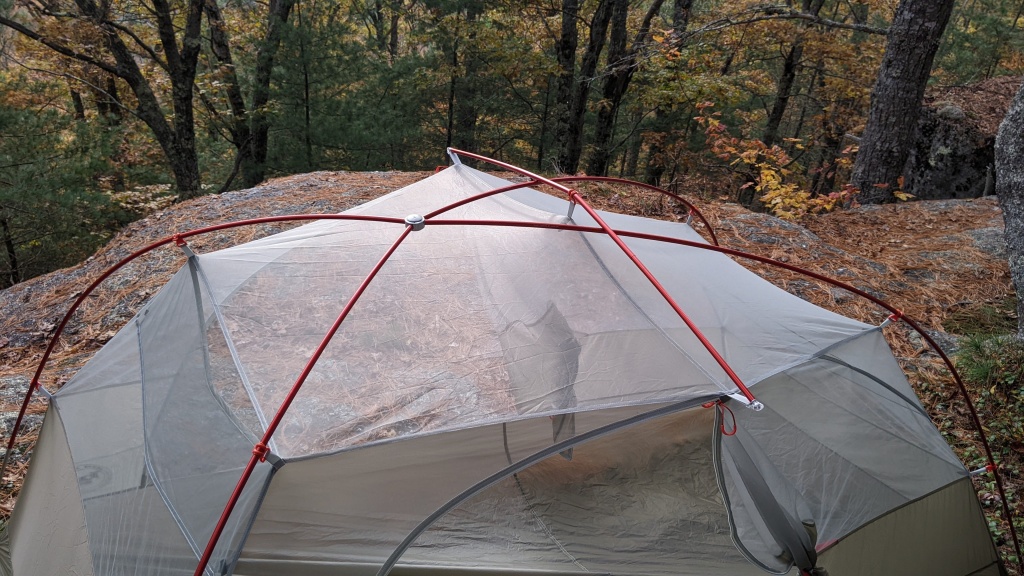
The tapered footprint design of the HV UL3 makes it challenging to stash extra gear by your feet. Fortunately, you can purchase a separate gear loft that attaches to three loops in the ceiling if you want additional storage. A more pressing problem with this tent is that the extremely lightweight fabric and poles aren't as sturdy as we'd like (the same poles broke with two other tents during testing — luckily, they're pretty easy to repair.) The company recommends buying a footprint to protect your tent. We agree with this recommendation, though we didn't encounter any durability issues during testing. The rainfly can also sag over time and when wet. When it does, a pool of water can form on the roof where the poles overlap unless you keep it tightened. Despite these shortcomings, this is an excellent option for those who want the flexibility to change the number of folks in your backpacking party. If durability is what you're after, the Hilleberg Anjan 2 GT is built for extreme weather. However, your third person will have to pack their own shelter, as this tent is only big enough for two.
Weight breakdown: 10 oz tent body, 7 oz fly, 16.7 oz poles, 2.5 oz per stake (8)
The versatile doors on the Copper Spur HV UL3 make it easy to get in and out of the tent. Here one side of the rainfly is rolled up and out of the way.
Weight: 3.34 lbs | Dimensions (in): 90 L x 51/42 W x 44 H
REASONS TO BUY
Durable
Weather-resistant
Lightweight
Many storage pockets
REASONS TO AVOID
Some less elegant features
Shorter length
Pricey
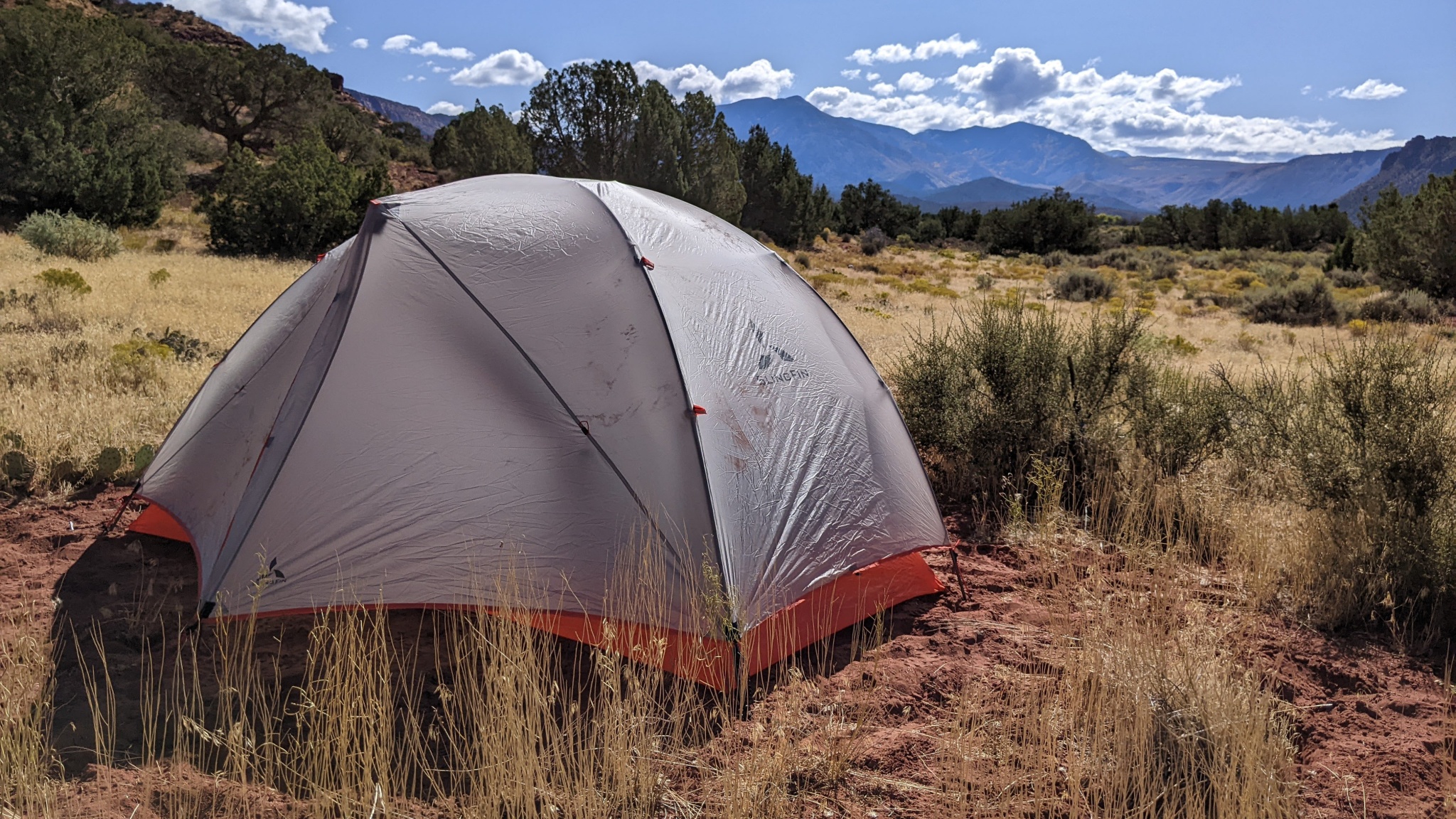
The SlingFin Portal 2 packs loads of smart details into a lightweight package, but it's the weather-resistant features that set it apart. It comes with a whopping 12 attachment points for external guylines to hold the poles steady in stiff winds. Internal guylines at the foot provide extra support, and outrigger attachments use hiking poles to help support the weight of an unexpected snowstorm. The tent comes with detachable struts to prop the rainfly zippers open for extra ventilation, which cuts down on condensation in a storm. The Portal also provides a generous living space, and you can sit up in nearly half of it (27.7 sq ft). Seven pockets that range from bedside phone sleeves to a ceiling-mounted hammock help you keep every stray hat, map, and sock organized. The tent is sturdy, too, with backup zipper pulls built into each of its mesh doors.
With so many top-notch design elements, it comes as no surprise that the Portal is a top-dollar tent. Besides the high price, our only other gripe is that its floor area is shorter than we'd like. It's still long enough for taller individuals, but the few inches it lacks are noticeable when you slide down and your sleeping bag ends up pressed against the wall. Fortunately, the vestibules are spacious enough for most of your gear. If you're looking for excellent weather protection and impressive comfort in a highly portable tent, this one will serve you on a wide range of adventures. If you prefer to snooze under the stars without a rainfly, the Nemo Dragonfly Osmo 2 has the same dark, star-gazing-friendly mesh on the ceiling but includes light mesh on the walls, which grants you more privacy.
Weight breakdown: 19.8 oz tent body, 13.9 oz fly, 13.7 oz poles, 3.8 oz per stake (10)
Weight: 5.51 lbs | Dimensions (in): 84 L x 52 W x 44 H
REASONS TO BUY
Plenty of headroom
Built to last
Thoughtful storage
REASONS TO AVOID
Water can sneak through
Heavy
The Nemo Aurora 2 is the most spacious and airy feeling tent we've tested, with a peak height of 44 inches, over 30 square feet of floor space, and enough headroom to sit up in all but five of them. It's sturdy and is backed by Nemo's lifetime warranty. The tent comes with a footprint to reduce wear and tear, and you can order an additional Pawprint protector that snaps into the corners if you often travel with dogs. Two vents on either end of the tent open wide with struts to shed heat and humid air. And the tent's two massive doors can fully open for an epic cross breeze. You can also pitch the fly and the footprint alone as a sunshade. Four pockets give you space to organize your stuff, and there is plenty of room for the rest inside the tent or in the 18.4 square foot vestibules.
Despite holding its own during our three-day rain test, the Aurora had some water creep in and bead up on the floor by the head of the tent. We should note the fly features loops to attach guylines to stake it out at the tent's head and foot, but the lines don't come attached. Once we added them, the tent stayed dry. At 5.5 pounds, this tent is heavy and bulky to pack. Two people can certainly splint the weight and haul it into the backcountry, but they might not want to. Still, it serves as a sturdy base camp if you aren't venturing too far and could be a great crossover option for car campers who occasionally hit the trail. The North Face Stormbreak 2 is a similarly roomy, excellently priced, and weather-resistant tent that weighs 6.27 pounds, though we do have some durability concerns due to fraying fabric and bunching seams.
Weight breakdown: 27 oz tent body, 26.8 oz fly, 19.5 oz poles, 4.4 oz per stake (8), 7.3 oz footprint
Weight: 5.65 lbs | Dimensions (in): 87 L x 50 W x 40 H
REASONS TO BUY
More durable than ultralight options
Long footprint offers comfort
Performed well in weather tests
REASONS TO AVOID
Limited pockets
Less headroom
Heavy
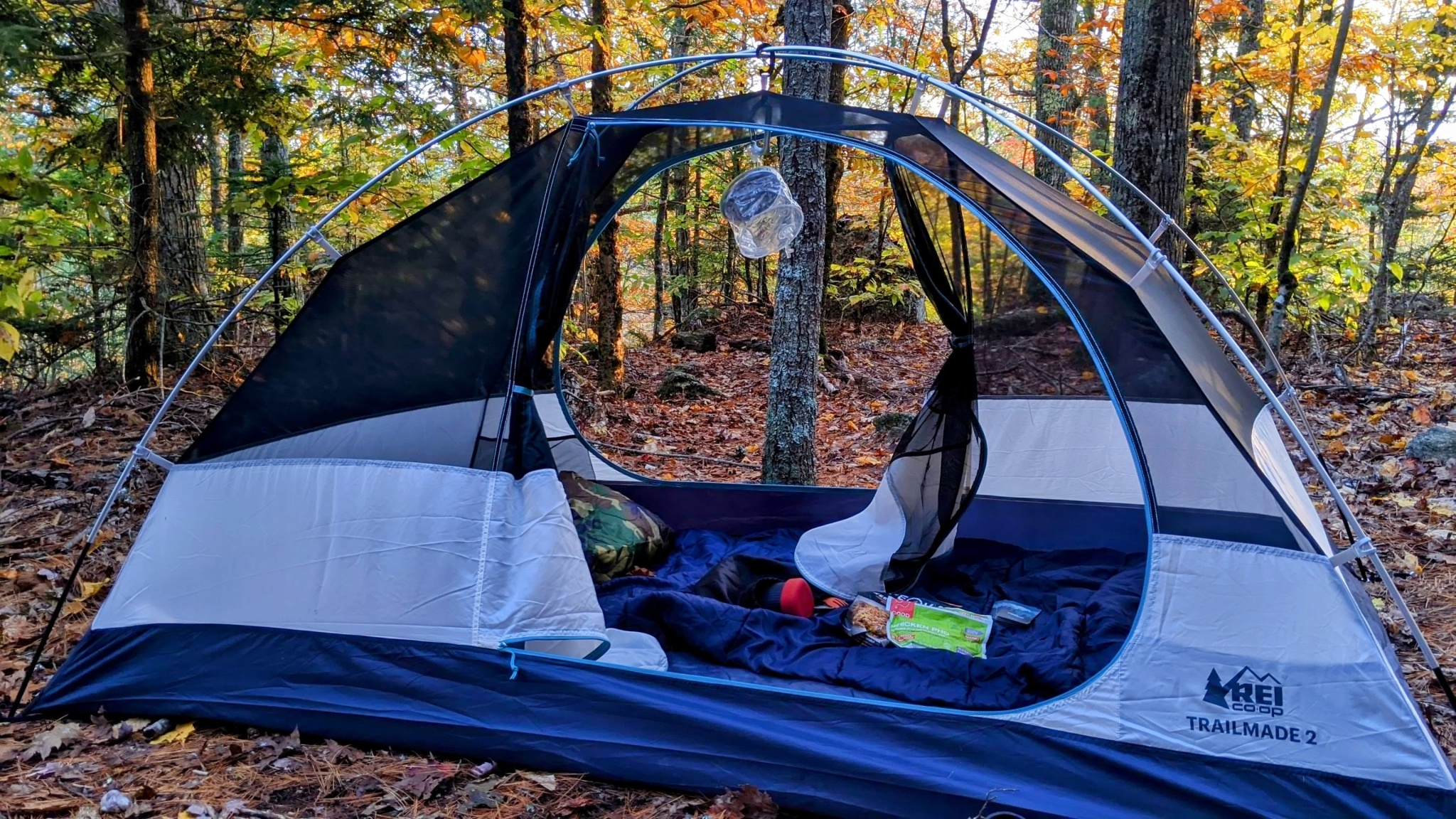
Lightweight backpacking tents are expensive. If you're willing to carry more weight or have a solid partner to split it with, the REI Co-op Trailmade 2 will get you out in the backcountry for less. It's also likely to last. Heavier tents are often more durable since they can employ thicker fabrics and sturdier components. This tent's hearty polyester fabric, footprint, old-school metal stakes, and sturdy aluminum poles should stand up to steady use. The Trailmade is also easy to set up, with simple cross-pole construction, and you can zip and unzip the fly and tent doors with just one hand. Once inside, there's an impressive amount of floor space, and the generous length gives most campers enough room to store their packs by their feet. Two strutted vents in the rainfly keep air circulating.
The Trailmade lacks a cross pole. As such, it doesn't offer much in the way of headroom, with less than five square feet to sit up straight. It also only has two small pockets measuring 5 x 13 inches. Though the tent remained dry during our rain tests, there are no guylines at the head and foot to pull the fly out, protect the tent, and allow air to flow — this is not the right tent for windy conditions. Managing condensation can also be a challenge inside the thick rainfly. The ceiling vents help, but it's best to ensure you leave room around the edges of the vestibule to increase ventilation. Considering everything, we feel this is your best bet if you prefer mellow conditions and affordable, roomy tents. The Kelty Late Start 2 is another inexpensive option with an included footprint. It offers more interior space and comfort per pound than the Trailmade, but it let water creep in during our storm tests.
Weight breakdown: 26.3 oz tent body, 22.8 oz fly, 15.7 oz poles, 12.3 oz per stake (10), 6.9 oz footprint
Weight: 2.99 lbs | Dimensions (in): 85 L x 50/39 W x 40 H
REASONS TO BUY
Nearly ultralight weight
Impressive space-to-weight ratio
Generous pockets
Multiple entryway options
REASONS TO AVOID
Less space for the weight
Water can pool on rainfly
Fabric and poles require care
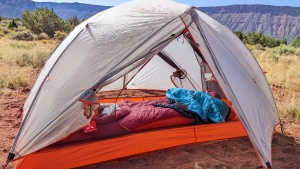
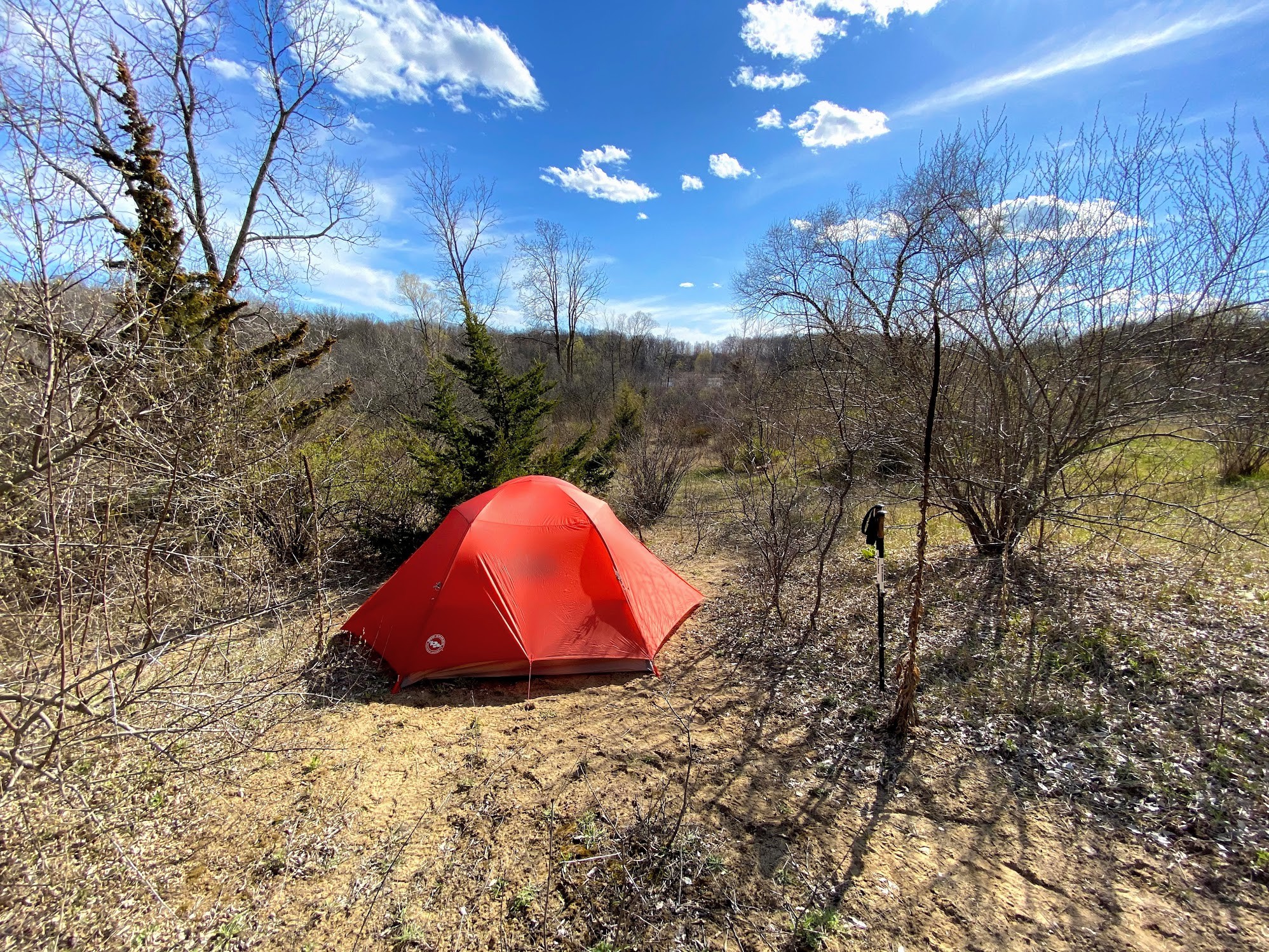
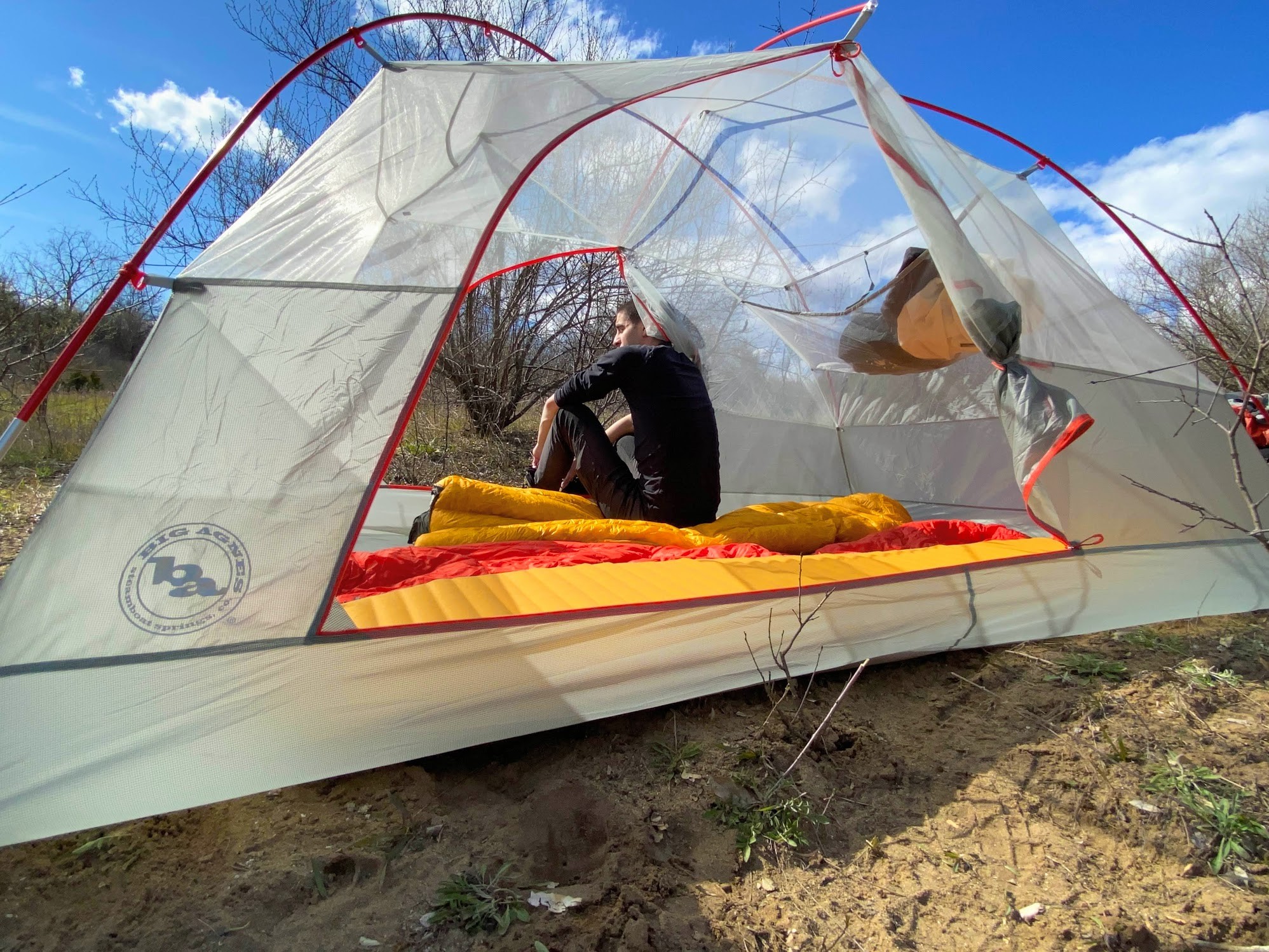
The Big Agnes Copper Spur HV UL2 is the 2-person version of the UL3 discussed above. They share many features we love, including 18 square feet of vestibule space, but the two-person version weighs almost a pound less. Four smartly placed pockets, including a large hammock slung from the ceiling, and nine easy-to-use loops give you plenty of storage options. Color-coded straps and integrated attachment points for the tent and rainfly make for a smooth setup process. The rainfly is lightweight, has one strut vent in the ceiling, and breathes well. We appreciate that you can configure its doors in numerous ways, including using one door as an awning to keep harsh sunlight or drizzle at bay.
The rain flies on both Copper Spur tents are long, which blocks rain but also ventilation. It also makes it hard to keep them stretched tightly. If you let the fly sag, which it tends to do in the rain, a pool of water can form on the roof where the poles cross. It could soak through if you don't shake it off, though the tent stayed dry during our test. The inner tent's white mesh ceiling is not as ideal as dark mesh for stargazing, and all of the fabric is extremely lightweight. We would follow the company's recommendation to buy the optional footprint to increase its durability. Though this tent is lighter than the Copper Spur HV UL3, it doesn't pack any smaller. If you want to save weight but aren't willing to scrimp on comfort, this is a compelling option. The UL2 has a little less floorspace and headroom than the SlingFin Portal 2 but offers better space-to-weight ratios.
Weight breakdown: 14.4 oz tent body, 16 oz fly, 12.8 oz poles, 2.6 oz per stake (8)
Weight: 3.67 lbs | Dimensions (in): 84.5 L x 53 W x 43.5 H
REASONS TO BUY
Three setup modes
Variety of features
Good headroom
REASONS TO AVOID
Expensive
Average weight (for full double-wall setup)
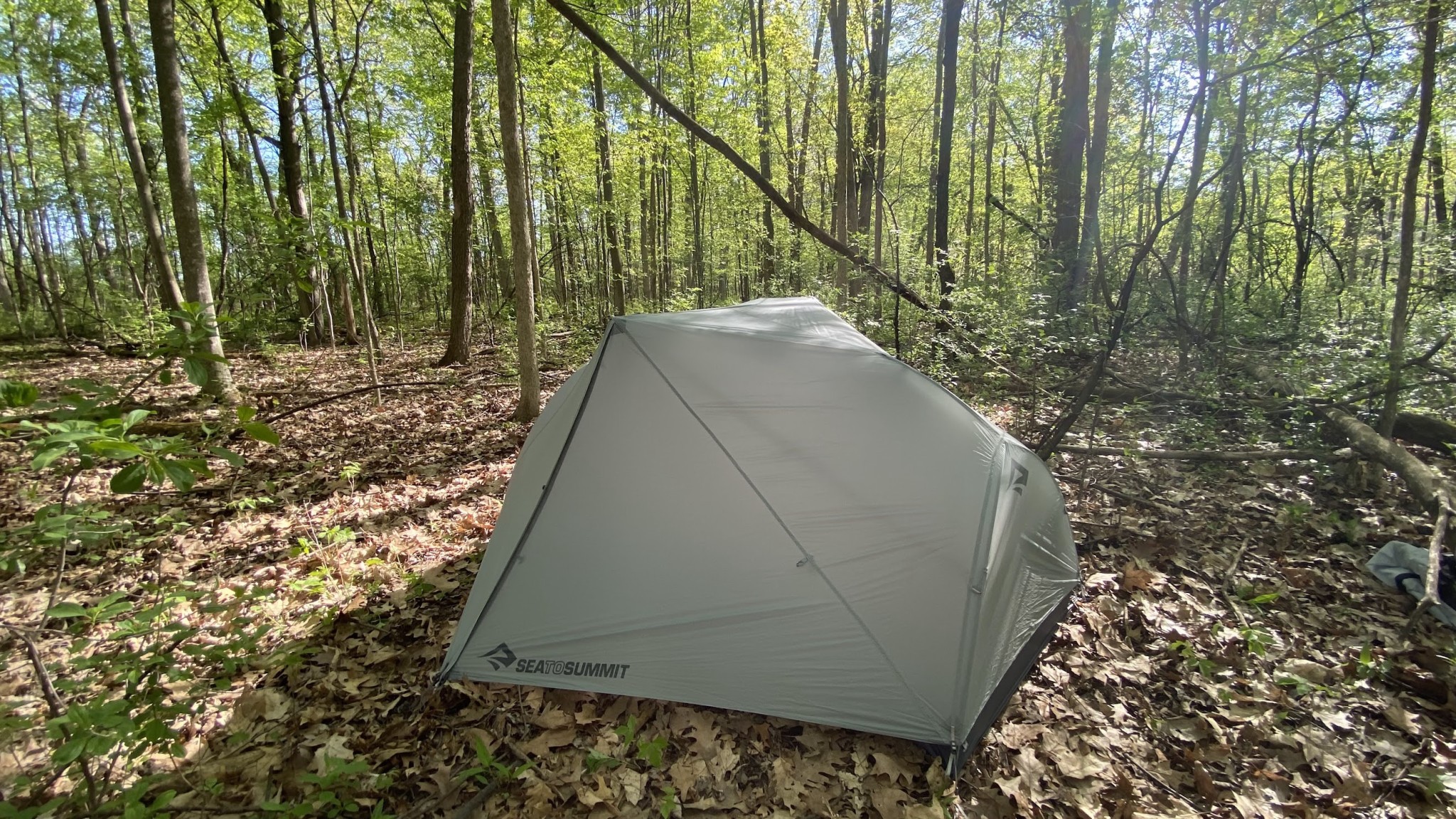
You can use the Sea to Summit Telos TR 2 in three ways: as a traditional double-wall tent, as a single-wall tarp shelter, or as a sun shade, with the help of trekking poles and a guyline. In short, it's the most versatile backcountry tent we've tested. A distinctive, arched crossbar creates a luxurious amount of headroom where you want it most, and it offers clever features like stuff sacks that double as storage pockets and a pole bag that snaps into the ceiling to become an overhead light. This tent is a compelling option for hikers who have a range of shelter requirements throughout the year.
Unfortunately, the Telos TR2 doesn't offer as much headroom or floor space per pound as the top-ranked models. It also weighs a little more overall. Fast-packers who want the protection of a double-wall tent might not find this the most appealing pick. It's also pricey, but then again, it is three shelters in one. If that type of versatility appeals to you, this tent is second to none. But if you prefer a double-wall construction and a lighter weight, the Big Agnes Tiger Wall UL2 Solution Dye is a great option.
Weight: 4.75 lbs | Dimensions (in): 86 L x 51 W x 39 H
REASONS TO BUY
Durable
Can withstand extreme conditions
REASONS TO AVOID
Difficult to set up
Very expensive
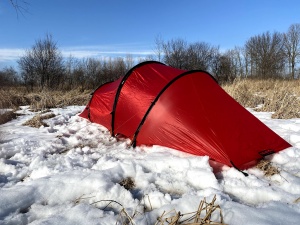
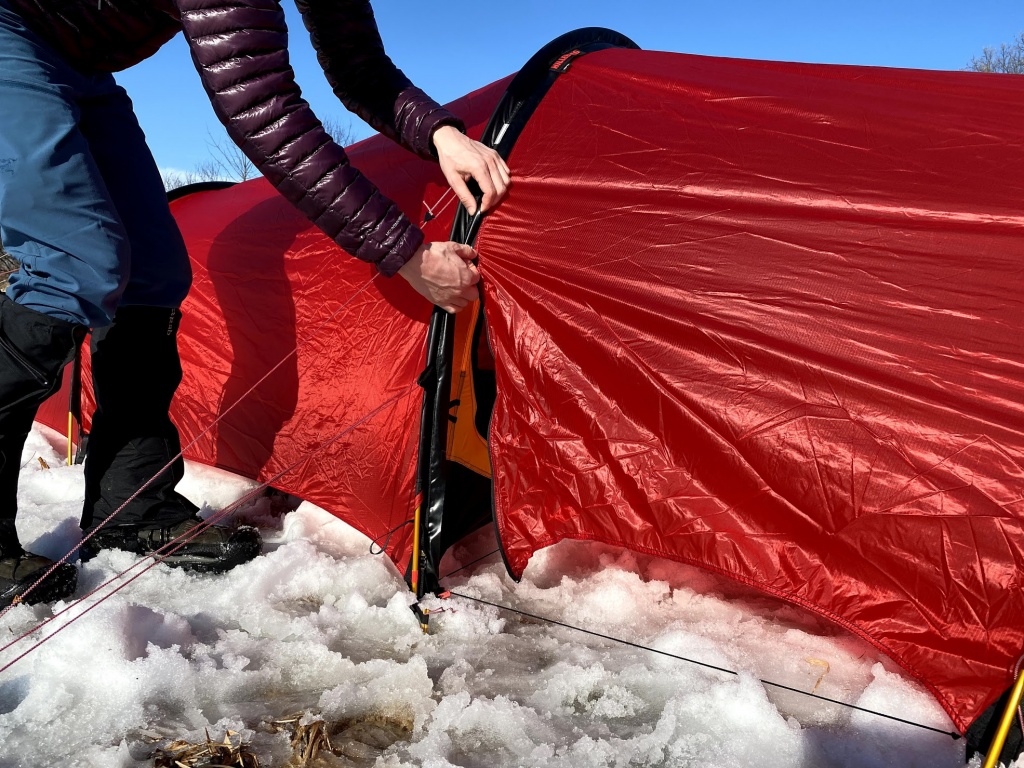
The Hilleberg Anjan 2 GT is the tent we reach for when harsh weather is in the forecast. It performs at its best in the shoulder seasons –- the early thaw of spring and the year's first snowstorm. It has a massive vestibule to keep gear protected from the elements, and its thoughtful design improves its performance in tough weather. The floor is also super durable and waterproof.
For everything the Anjan offers, expect to pay top dollar. This thing is expensive. It also takes significantly longer to pitch than a traditional 3-season tent. Its heft makes it better suited for biking trips or backpacking adventures where weight is not a primary consideration. Though it is very expensive, the durable construction makes this tent an excellent long-term value, especially if you use it regularly. If you don't require top-of-the-line weather resistance, the Nemo Aurora 2 has much to offer without paying top dollar.
Weight: 2.48 lbs | Dimensions (in): 86 L x 52/42 W x 39 H
REASONS TO BUY
Two large side doors
Excellent headroom for a tent this size
Incredibly light
REASONS TO AVOID
Heavy condensation
Splashback can hit mesh walls in heavy rain
No adjusters at the foot of the fly
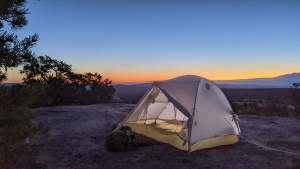
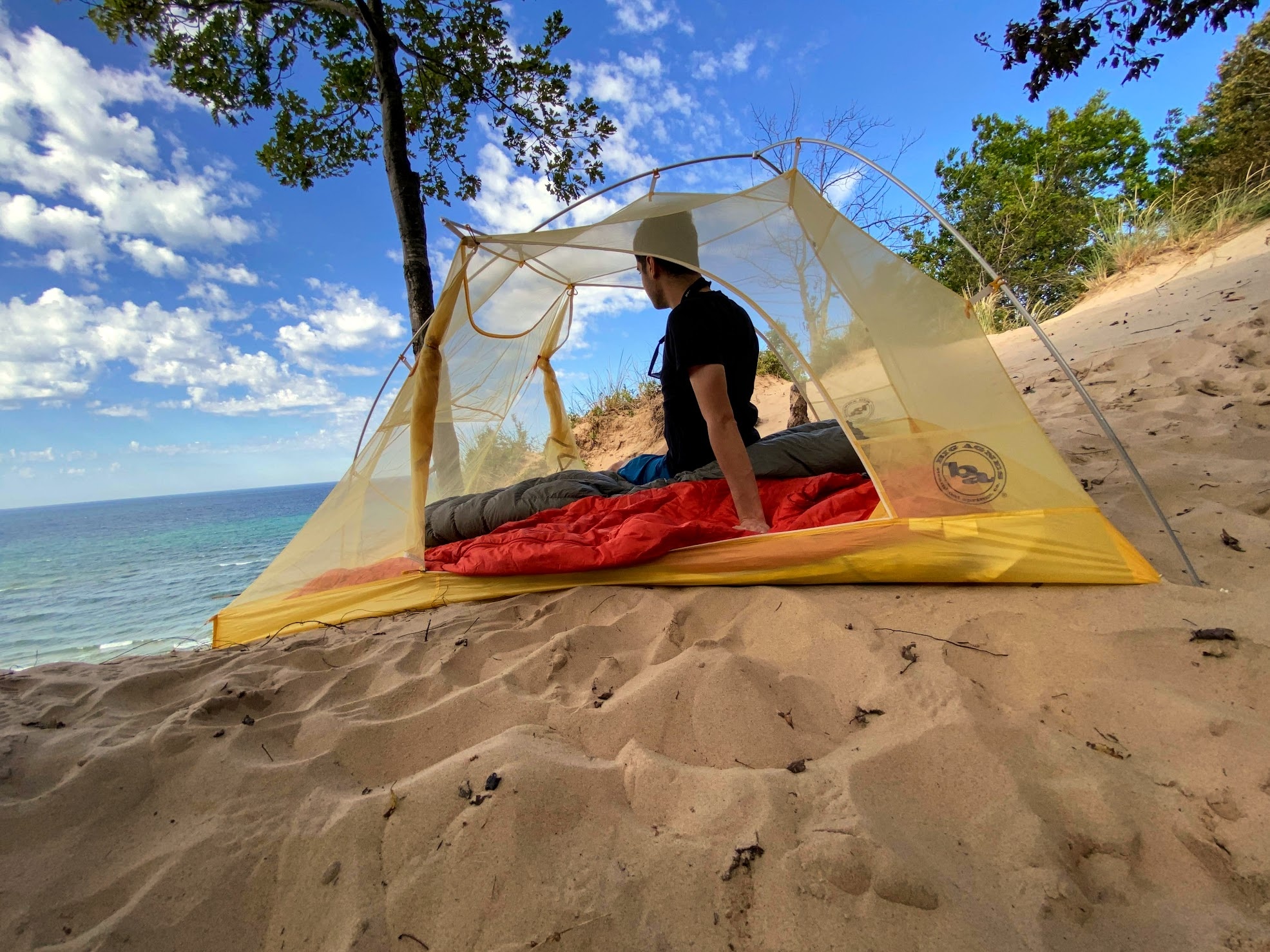
The Big Agnes Tiger Wall UL2 Solution Dye is a compelling option if you like the idea of going ultralight but can't quite bring yourself to ditch the comfort and ease of a traditional tent. Its packability helps it compete among semi-freestanding models, and we find that it's the most comfortable of the sub-three-pound tents that we've tested. Its crossbar design provides exceptional headroom. The two large side doors, reasonable footprint, and two vestibules make it a livable, if tight, fit for two. The fabric's solution dye also makes for a more environmentally friendly manufacturing process.
When we left the Tiger Wall out in the rain for three days in Maine, the underside of the fly was constantly wet. The tent floor and body remained dry, but we had to avoid brushing against the condensation on the fly. This wasn't an issue when camping in Moab, Utah, so we recommend using this tent in drier climates. The orientation of the zippers on the tent body and fly also makes it harder to enter and exit, especially in the rain. This is a pricey and very thin option, and it feels fragile. That said, if you treat this tent nicely, it should offer you lightweight, comfortable camping. We had fewer condensation issues with the Mountain Hardwear Nimbus UL 2, but it is less comfortable and harder to enter and exit with only one door.
Weight breakdown: 13.7 oz tent body, 13 oz fly, 8.9 oz poles, 2.5 oz per stake (8)
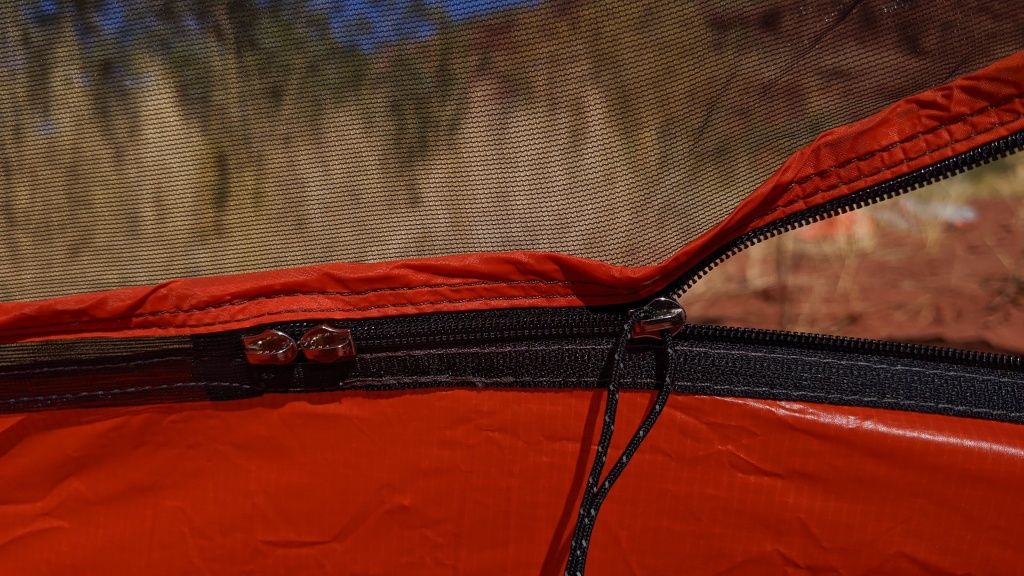
The two zippers on the inner door of the Big Agnes tents mean that you always know where you left your zipper. We like it. Shown here on the Tiger Wall UL2 Solution Dye.
Credit: Clark Tate
Compare Products
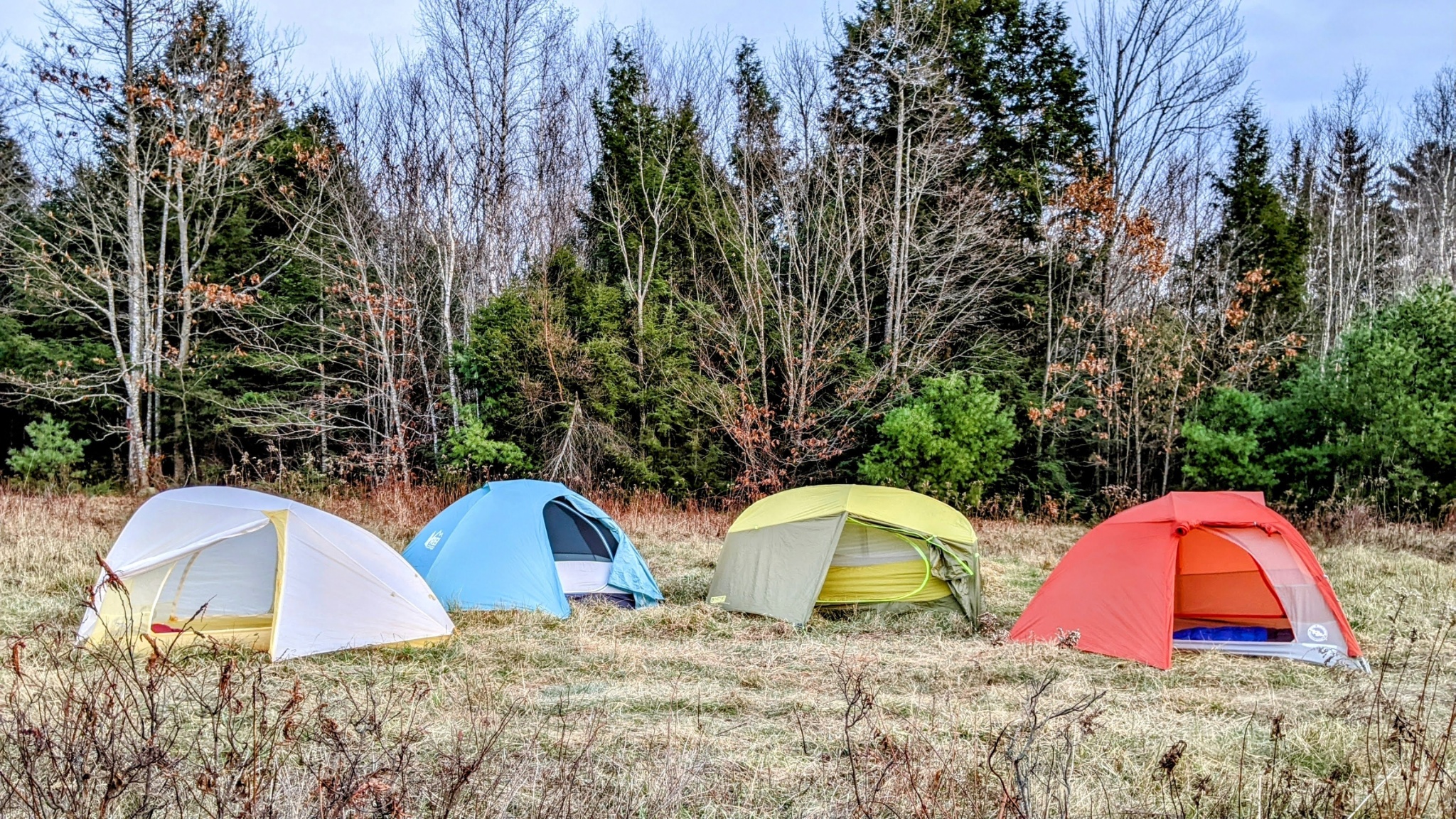
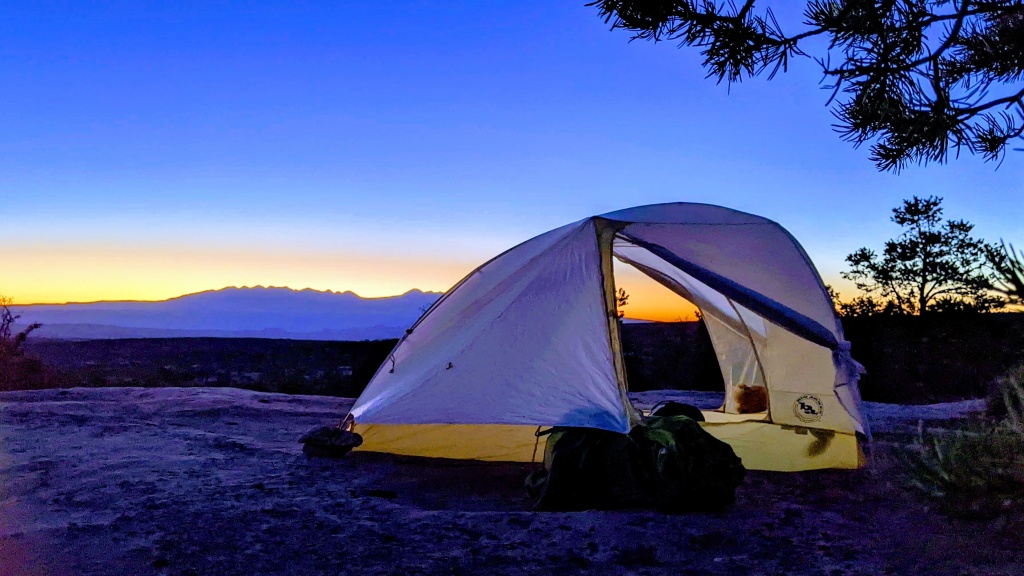
There is an ideal tent out there for your next backpacking or camping adventure.
Credit: Ben Applebaum-Bauch
How We Test Backpacking Tents
Since we started testing backpacking tents back in 2011, we've researched several hundred models and tested over a hundred in real-world scenarios. We've put them through inclement weather, carried them in our packs, set them up and tore them down, weighed each one, and closely examined every seam, zipper guyline, tent, pole, and stake. We take note of various factors that impact the user experience, including comfort, ease of use, and construction quality. From livability to weight to weather readiness, we've put each tent through a fierce gauntlet of tests across the following five key rating metrics:
Observing the way that water runs off of the Portal 2.
Credit: Ben Applebaum-Bauch
Why You Should Trust Us
Our testers have spent hundreds of nights under the stars in backcountry shelters of all sorts. Ben Applebaum-Bauch got his start in the outdoor industry maintaining gear for guided trips, including plenty of backpacking tents. A couple of years later, he became a guide himself, leading multiday and multi-week backpacking, cycling, and paddling adventures through Nova Scotia, Maine, New Hampshire, and Vermont. With a decade of professional experience in the outdoor industry and several thru-hikes of some of America's great trails under his hip belt, he brings extensive knowledge to this review.
Ben is joined by Clark Tate, another guide who spent summers living in a tent while raft guiding in Colorado and West Virginia. She's backpacked in the High Sierra, throughout the Rockies, and along sections of the Appalachian Trail and spends a lot of time balancing the burden of weight with the restfulness of comfort.
We assess every feature - big and small - on all the tents we test in order to provide you with the helpful details you need to make a good purchasing decision.
Gearing up for a day on the trails after a good night's sleep.
Zippers and clips are small but important components of every tent.
Analysis and Test Results
We research the top options on the market before buying and testing the best in the field. Our findings are summarized below, highlighting models that excel in each metric to help you find the right one.
Value
We don't factor price into a product's performance score, but we recognize that it's at the heart of many purchasing decisions. To assess a product's value, we essentially ask, "How many performance points do you get per dollar spent?" The REI Co-op Half Dome SL 2+ is a great choice. It's among the most comfortable tents in this review, with a generous amount of headroom and floor space. This is also true of the Nemo Aurora 2, which scores a bit higher and costs a bit less. It weighs about half a pound more, though, making the Half Dome enticing. The Aurora does seem more durable, though, offering better value over time if you don't mind the weight. If you really need to keep costs down, the REI Trailmade and North Face Stormbreak are worthy considerations. They are heavy, but if funds are tight and you're able to split the weight with a pal, one of these tents could be the key to being able to lay under the stars sooner rather than later.
The REI Trailmade 2's simple design and sturdier, heavy fabric keep costs down.
Credit: Clark Tate
Comfort
When it comes to comfort, dimensions and storage options are key. Is there enough space to get a good night's sleep, or do you end up pressed against a wet wall? Can you sit up enough to change easily, play cards, or spread out and read a book? Are there enough pockets to store your things, or are you sleeping in a pile of stuff? We also look at features that increase airflow, like storm vents and fly door openings, to see if the tent can cut down on condensation and keep you cool as weather conditions require.
The most comfortable two-person models we tested are the REI Half Dome SL 2+ and the Nemo Aurora 2. The Big Agnes Copper Spur HV UL3 earns top marks as a three-person option. Among the backpacking tents we've tried, these feel palatial, with relatively tall ceilings, plenty of headroom, and ample floor space. Each of them has one or two kickstand vents in the rainfly to keep air flowing even in a storm.
The three-person Copper Spur offers the most headroom per person in the review.
Credit: Clark Tate
Double doors, large dual vestibules, and generous storage options will keep your stuff off the floor and out of your way. The Copper Spur HV UL3 will keep you more organized than the rest with eight pockets, including a hammock hanging from the ceiling. The North Face Stormbreak 2 is another tall and roomy option with plenty of headroom., though its lack of a true storm vent and just four simple pockets are less impressive.
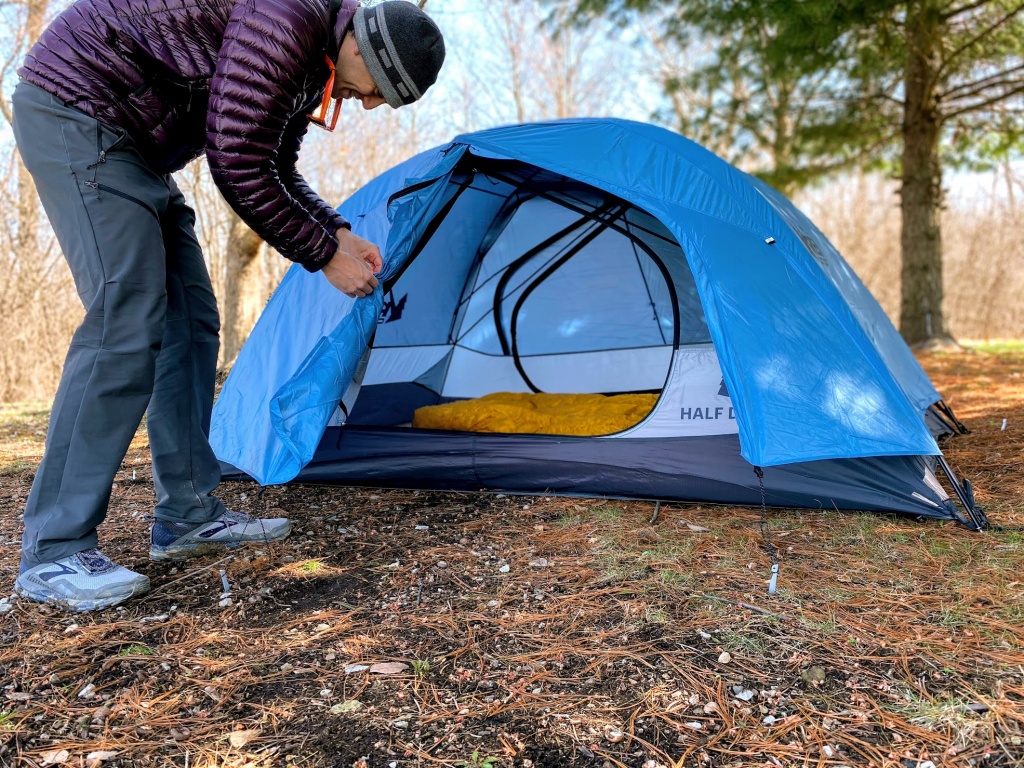
The massive side doors on the Half Dome are great to peel back when the weather is nice and make it super easy to enter and exit.
Credit: Ben Applebaum-Bauch
The Big Agnes Copper Spur HV UL2, SlingFin Portal 2, Nemo Dragonfly Osmo 2, and Nemo Dagger Osmo do a nice job of balancing comfort and weight. The Dragonfly offers a pre-bent pole structure that maximizes interior volume, and the Portal boasts a tall peak height. The Dagger comes with a unique Landing Zone — a triangular basket of ripstop nylon that hooks onto the vestibule floor. It's a great place to keep items you want outside the tent but not on the ground. All of these options give you plenty of storage space with myriad pockets and roomy vestibules.
The included "landing zone" triangle in the Dagger is good for keeping items out of the dirt or sand. It's just a bummer there is only one of them.
Credit: Ben Applebaum-Bauch
The Sea to Summit Telos TR2 has generous lateral space, and it's easy for two people to sit up at the same time without bumping shoulders. It is highly adaptable and can be used as a double-wall tent, single-wall tarp, or open-air shade cover, increasing your comfort in a range of conditions.
Large side doors on the Telos TR2 open up wide for easy entry and exit. They also tie back if it's not too buggy.
Credit: Ben Applebaum-Bauch
The Big Agnes Tiger Wall UL2 Solution Dye takes the comfort cake as far as sub-three-pound backpacking tents go. It has a longer crosspole than the other lightest weight tents in the test. That widens the ceiling between the two doors, which significantly increases headroom. The Copper Spur HV UL2 weighs more but also gives you a bit more space and has a dedicated vent in its fly. The Tiger Wall does not.
The Tiger Wall is a compact tent for sure, but there is still enough headroom to sit up, and the double doors and mesh ensure easy entry and good airflow.
Credit: Ben Applebaum-Bauch
Weather Resistance
For this metric, we assess each backpacking tent's performance in wet and windy weather, looking closely at design elements that tighten sagging rainflies and keep water from dripping through zippers and vents. We're also interested in structural rigidity, aerodynamics, and guyline connection points, which help keep a tent upright in gusty weather.
The Hilleberg Anjan 2 GT takes first place for weather resistance, thanks to its reinforced vestibule zippers, bathtub floor that protects against seepage from soggy soil, and a massive vestibule that allows you to organize and protect gear without storing it inside. It also effectively sheds condensation that drips from the roof, offering an advantage over tents with mesh walls.
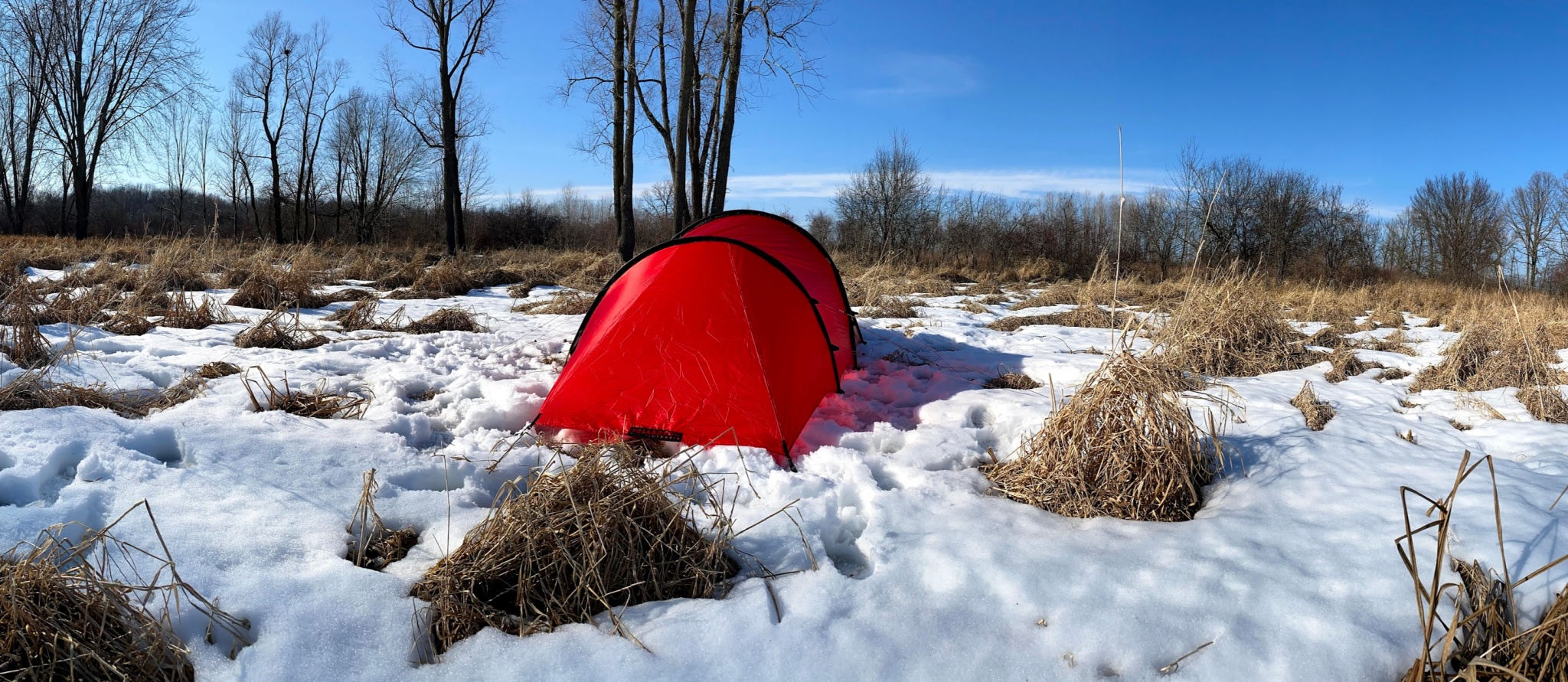
If you need to hunker down in the cold, the Anjan is a good option.
Credit: Ben Applebaum-Bauch
The Anjan 2 GT three-season isn't built for snow, though, and has only four guyline points to hold it steady in the wind. In contrast, the SlingFin Portal 2 can serve as a four-season backpacking tent in a pinch, with 12 attachment points for external guylines, interior guylines that you can tension in heavy winds, and outrigger attachments that help you quickly brace the ceiling with trekking poles. The poles then help support the weight of an unexpected snowstorm.
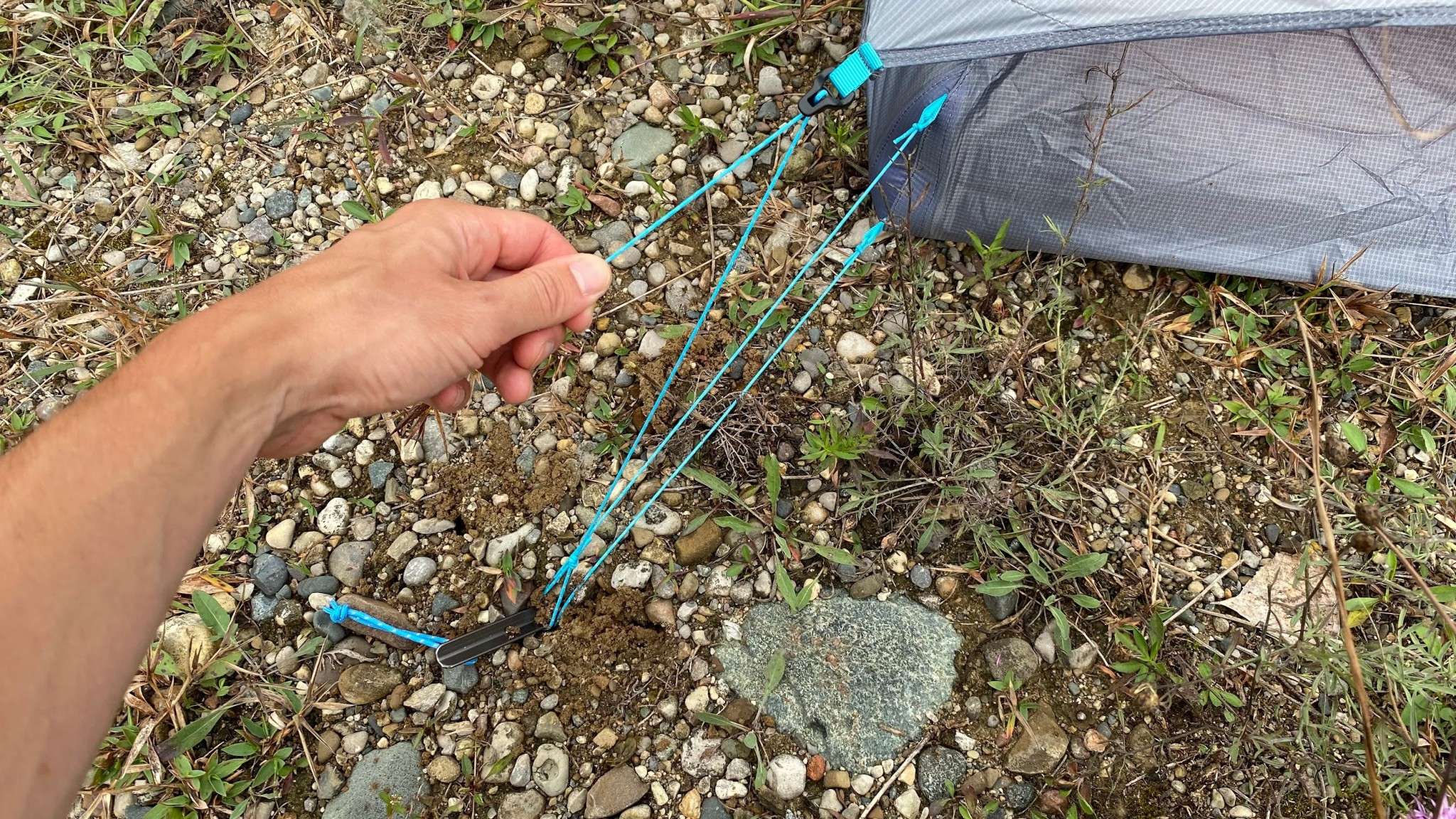
The SlignFin Portal provides internal guylines and two external tiedown points per pole to hold the tent steady in a windstorm.
Credit: Clark Tate
The Big Agnes Copper Spur HV UL2 and UL3 also score well in this metric, offering above-average protection and an adaptable fly setup that can double as an awning over either door when propped up with a couple of trekking poles. Though their material is incredibly thin, both tents repelled water, even when pitched on wet grass. The fly material does stretch over time and when wet and is so long that it can be a challenge to keep tight. When it does loosen, pools of water can form on top of these tents. When we adjusted the poles and guylines regularly, it wasn't an issue, so keep this in mind.
The Big Agnes Copper Spur tents shed water well and kept the tents dry during a three-day rain storm, but they do tend to stretch and sag.
Credit: Clark Tate
Other notable performers here are the Nemo Dragonfly Osmo 2 and Nemo Dagger Osmo 2, thanks to their trapezoidal fly geometry and easy tensioning. These tents not only do an admirable job of shedding water but the shape and stability of the vestibules keep the fabric comparatively quiet even in a stiff wind. These Osmo tents also sag noticeably less than other ripstop nylon models, representing a valuable step forward in material technology. The Dragonfly features a cutaway in the rainfly to save weight. We did notice moisture in that corner during testing, and it affected the score.
Watching how water runs off of the trapezoidal fly of the Dragonfly Osmo 2. This is a great tent.
Credit: Ben Applebaum-Bauch
The Big Agnes Tiger Wall provides more stability than "fly away" models like the Nemo Hornet Elite Osmo. In wet environments, though, we noticed considerable condensation on the underside of the fly. We like it better for dry climates like the desert Southwest. The Mountain Hardwear Nimbus UL 2 and Copper Spur HV UL2 are better bets for lightweight wet weather travel.
The low fly of the Spur HV UL2 prevents precipitation from splashing underneath.
Credit: Ben Applebaum-Bauch
Space to Weight Ratio
When carrying your shelter on your back, you must balance its spaciousness and comfort with how much it weighs. We divided each tent's floor space by its weight to calculate its space-to-weight ratio. For the backpacking tents we tested most recently, we also measured the amount of floor space you can use to sit up. Fast and light or long-distance hikers may want to put more emphasis on weight alone, trading less interior space for easier days on the trail. More casual backpackers, or those who will have a friend or two to help carry their shelter, can afford to trade a few extra ounces to maximize space.
The Big Agnes Copper Spur HV UL3 comes out ahead if you look at both floor space and headroom. It weighs 3.8 pounds but gives you 39.2 sq ft of floor space, and 25 sq ft are tall enough for sitting. That translates to 10.3 square feet per pound of floor space and 6.6 square feet per pound of headroom. The HV UL2 isn't as impressive, but it still is spacious enough to be one of our favorite backpacking tents, giving you 25 inches of room for each person to lay down, compared to 22.7 inches for the UL3.
The two-person Copper Spur provides less space per weight than the three-person version, but it also provides more width for each camper, making for more comfortable sleeping.
Credit: Clark Tate
The Mountain Hardwear Nimbus UL 2 offers 12.3 square feet per pound, and the MSR Freelite 2 offers 12. But, since they only weigh 2.3 and 2.4 pounds, respectively, that translates to just 28.1 and 28.2 square feet of living space. The Freelite does not provide as much headroom as our favorite options though — just 8.7 square feet or 3.7 square feet per pound. If you don't often need to sit up too often, this could be an option for you.
The light MSR Freelite 2 gives you a lot of floor space per pound.
Credit: Clark Tate
The Big Agnes Tiger Wall UL2, Nemo Hornet Elite Osmo, and Tarptent Double Rainbow DW also score well, thanks to their lightweight construction. Tents like the SlingFin Portal 2 and the Copper Spur HV UL2 give you more horizontal and vertical space but also weigh more.
The Double Rainbow has a respectable space to weight ratio.
Credit: Clark Tate
Weight
We also factor absolute weight into our recommendations. Ounces make pounds and all that. A handful of backpacking tents in this review are at or around two pounds, including the Nemo Hornet Elite Osmo and Mountain Hardwear Nimbus UL 2. One person could easily carry either of these on a solo adventure or split them between two hikers. The Big Agnes Tiger Wall UL2 follows closely behind, adding a couple more ounces for a little more interior space.
Backpacking Weight Tent Terms Packed weight includes poles, tent body, fly, stakes, and guylines - basically, everything that comes with a tent when you pull it off the shelf. Trail weight refers to the weight of the minimum pieces required for setup - usually just the tent, fly, and poles. Fastpitch weight just the footprint (usually sold separately), the fly, and the poles. Not available for every tent.
In general, lightweight models go all-in on reducing weight, usually at the expense of comfort and, to an extent, durability. For a bit more comfort and a longer-lasting tent, we're usually happy to split a three to four-pound tent with our hiking buddy for overnight adventures and limited backpacking trips. Ultralight tents usually earn their stripes on long-distance adventures.
One of our favorites for light weight, the Nemo Hornet Elite Osmo is just over two pounds.
Credit: Ben Applebaum-Bauch
On the other end of the spectrum, the REI Half Dome SL 2+, The North Face Stormbreak 2, and the Hilleberg Anjan 2 GT are some of the heaviest tents we tested. The first two are excellent options for car camping or short overnights. The latter is a specialty, harsh-weather backpacking tent.
Heavier tents like The North Face Stormbreaker 2 often have thicker fabric, which you might appreciate in a prolonged storm.
Credit: Clark Tate
If you want to maximize space and reduce weight, we strongly suggest looking at a three-person version of a lightweight model. The Big Agnes Copper Spur HV UL3 is under four pounds and offers tons of space for two people and just enough for three.
Two side doors and lightweight construction make the 3-person Copper Spur a tempting draw for those looking to spend some nights under the stars.
Credit: Ben Applebaum-Bauch
Ease of Use
This metric is about how intuitive it is to pitch each tent, tear it down, and use it day-to-day. In this review, we include two types of shelters –- free-standing and semi-freestanding tents. The first is more familiar, using poles that tuck into each corner to provide a skeleton that the tent clips into and the rainfly drapes over. The second set of tents is semi-freestanding. They also use poles for structure, but they require stakes to maximize volume. Both types are relatively simple to set up on soft ground.
A classic X-pole design, with two identical poles crossing at the top and attaching to the tent body across diagonal corners, is rarely used in high-end backpacking tents. It just doesn't offer premium stability or headroom. When it is used on tents like the REI Trailmade 2 and the Kelty Late Start 2, it's usually in a heavy, budget tent meant for the new or casual backpacker who is less likely to use it in severely windy weather. (We hope!)
The Trailmade's simple cross-pole design is a cinch to set up but provides less stability in heavy weather.
Credit: Clark Tate
Many models we reviewed –- like the REI Half Dome SL 2+, Nemo Aurora 2, and the Big Agnes Copper Spur HV UL2 and UL3 — are variations on this basic structure. But sometimes, two poles are fused into one using central hubs, and a cross pole is always added to widen the ceiling, increasing interior volume, headroom, and structural rigidity. The SlingFin Portal 2 uses two separate X-poles and a wide cross pole, relying on a generous supply of guylines to add support. The North Face Stormbreak 2 includes a second cross pole to create a wonderfully high, square ceiling. These modified X-pole structures are all relatively easy to set up.
A loop in the webbing helps you pull the Copper Spur out to hook into the crosspole.
Color-coordinated poles help you set up the asymmetrical main pole properly.
Of them, the two Big Agnes Copper Spur HV tents are the most effortless to use day-to-day. Attachment points are color-coded to smooth the setup process, you can open the tarp and tent doors with one hand, and there are multiple ways to open either of two doors. We also appreciate that the added features are intuitive, or labeled, like the loop of fabric that you can stuff the mesh doors into. The REI Trailmade, Nemo Dragonfly Osmo 2, Sea to Summit Telos TR2, and SlinFin Portal 2 are all similarly seamless to use.
The Nemo Dragonfly Osmo 2 has ball and socket connectors at the corners for an easy and secure setup.
Credit: Ben Applebaum-Bauch
The Big Agnes Tiger Wall, Mountain Hardwear Nimbus, MSR Freelite 2, Nemo Hornet Elite, and Dragonfly Osmo are semi-freestanding and can be a bit trickier, mostly if you're in an environment where stakes are hard to use. These tents often have a single pole that arches to the center of the tent's foot. You then stake out either side. If you're camping on rocky soil, you'll have to find some other way to anchor the corners.
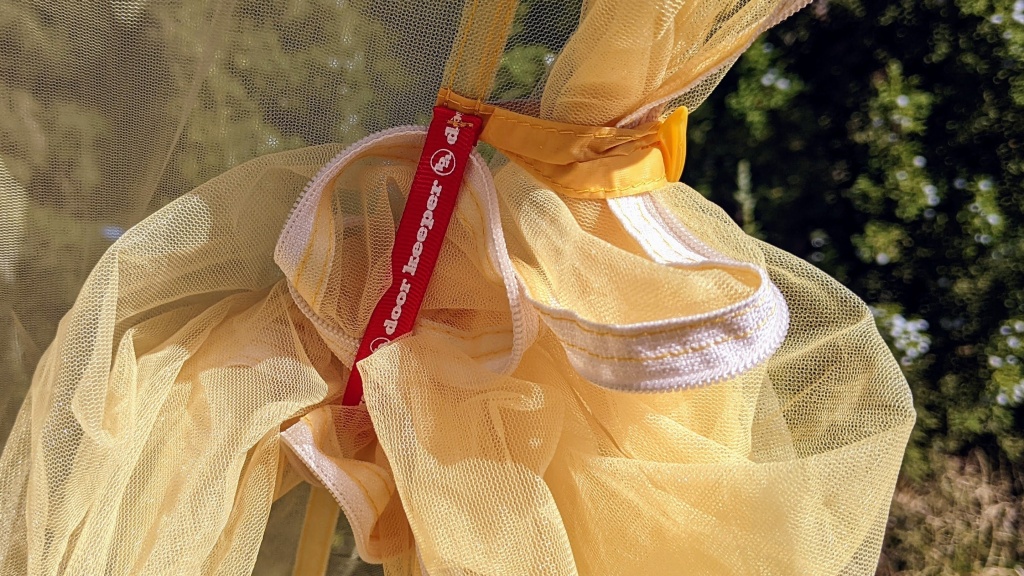
All the Big Agnes tents in the test have smart features, like the labeled "door keeper" loop that lets you stuff the mesh door out of the way in an instant.
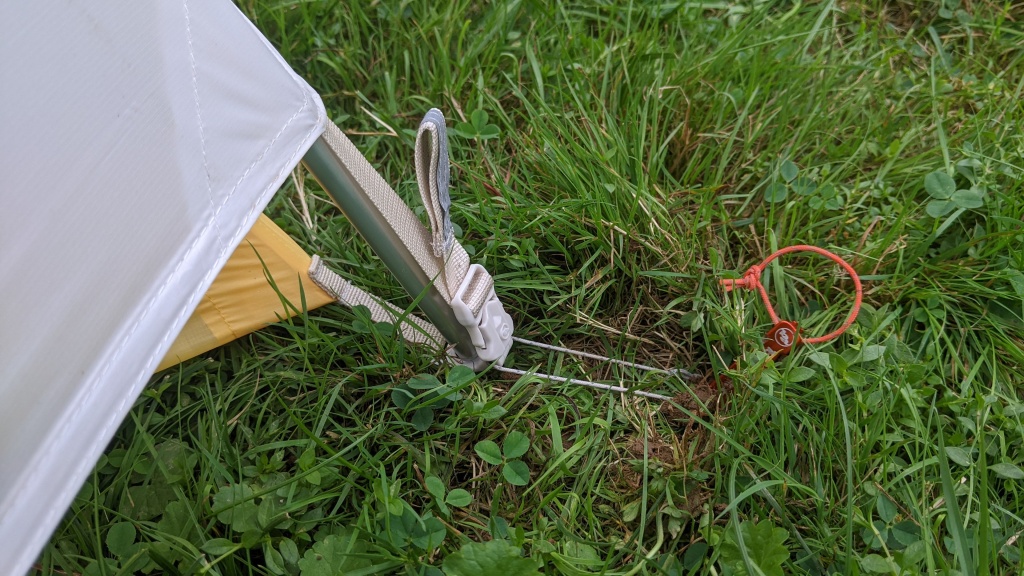
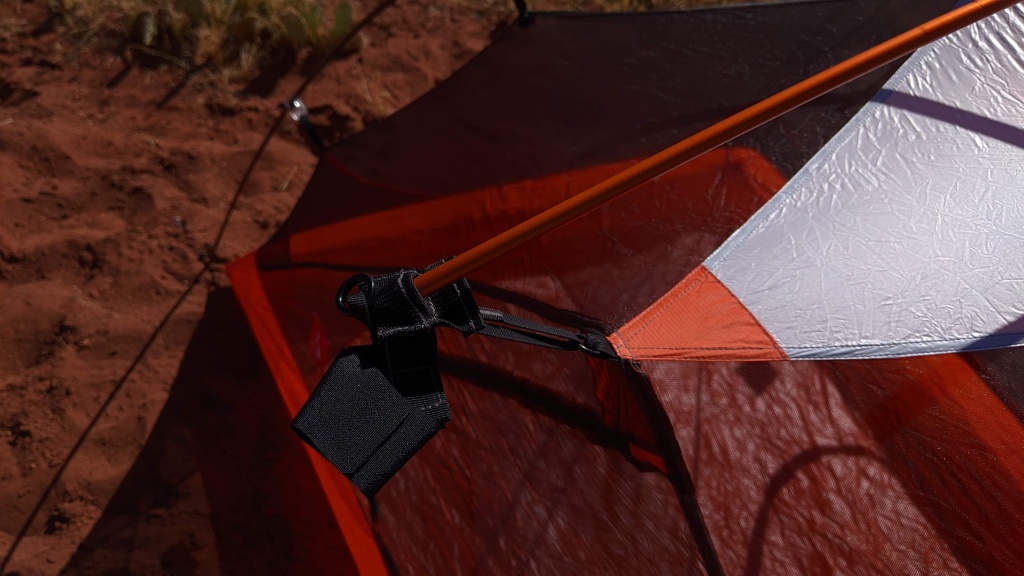
Like many of the tents tested, the Big Agnes options use an integrated system to easily clip the fly into the pole and stake attachment points.
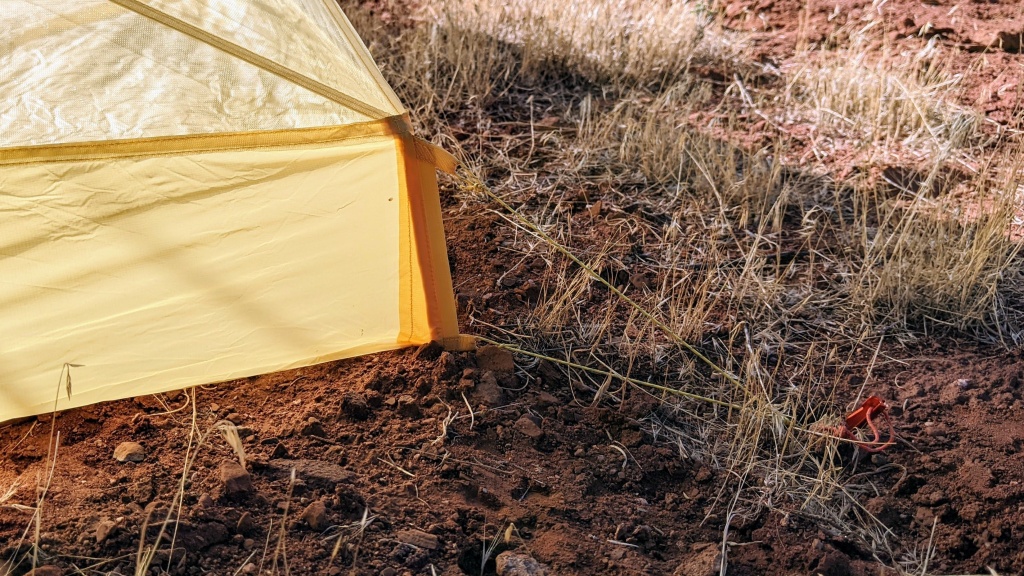
Semi-freestanding tents like the Big Agnes Tigerwall rely on stakes to create their structure.
When camping on slick rock, semi-freestanding tents require you to get creative with rocks and piled gear.
A distinct structural subcategory is the tunnel tent. This style uses semi-circle poles, resulting in a tent that looks like a caterpillar. These are more difficult to pitch because they rely on tension from guylines to hold their form. The Hilleberg Anjan 2 GT is an example of this style of tent.
The Anjan GT was relatively easy to set up, though it did require some previous know how, or for the backpacker to read the directions.
Credit: Jenna Ammerman
Construction Quality
Though we put these backpacking tents through the wringer, our goal isn't to push them to the point of catastrophic failure. Still, tent poles do break and rip through rainflies on occasion. We note every failure, check the sturdiness of each seam and zipper, and search for any easily frayed or scratched fabrics. We also note if any of the poles, stakes, or guylines seem stronger or weaker than the rest.
The models that earned the highest scores demonstrated both impressively innovative features and robust construction. The Hilleberg Anjan 2 GT has many features common to four-season tents, and we found it to be highly durable. It includes sturdy zippers, tensioners with hefty webbing, and thick floor fabric.
Straps and hardware are an important component of durability. The Anjan comes with metal tensioners that are extra sturdy.
Credit: Ben Applebaum-Bauch
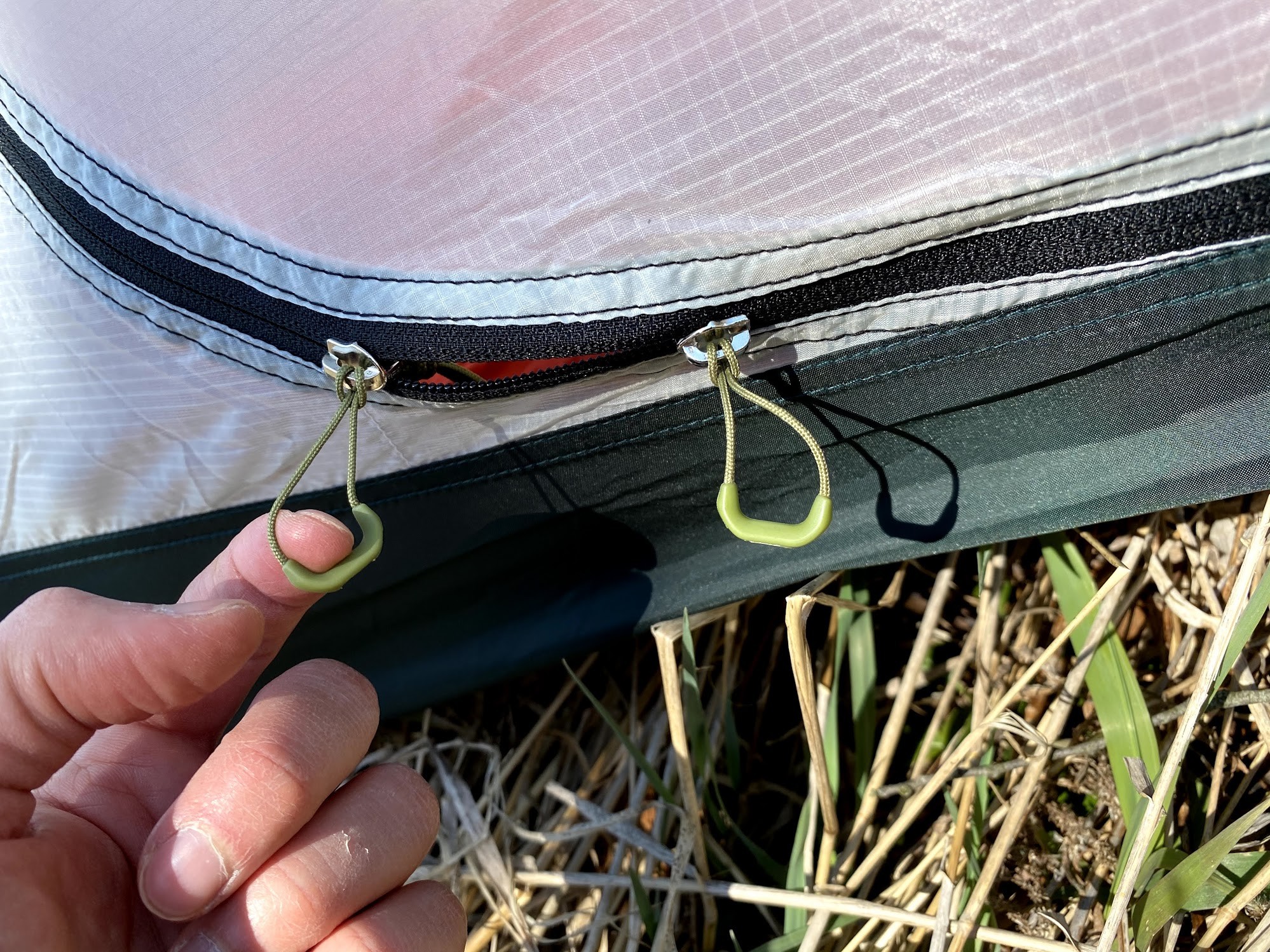
We are also impressed with the SlingFin Portal 2, which comes with a second set of zipper pulls on each door in case the main ones break. You can also purchase thicker, tougher poles separately if you know you'll need the added stability. It's not a bad idea.
Pole Splints
Most tent models we tested come with a hollow metal splint meant to bridge a broken pole and keep your tent in working order until you get back to the trailhead. But when we broke two sets of DAC Featherlight NFL poles during our tests, the splint did not work as intended. In both cases, the poles folded as they broke, making them too wide for the splint to slide over the break. The edges were also very sharp, and the cord underneath was damaged in both cases. You can either try to trim the corners with a multitool if you have one or try to attach the split externally with tape or rubber bands. The splints can help, but they aren't a magic bullet to solve the problem of lightweight but less durable poles.
The SlingFin Portal comes standard with 8.7mm DAC Featherlite NFL poles. So do both Big Agnes Copper Spur models, the Tiger Wall, Dragonfly, Hornet Elite, Dagger Osmo, Half Dome SL 2+, MSR Freelite, and the Mountain Hardwear Nimbus. Two sets of these poles broke during a single month of testing. One was because a dog ran into it, and one was because the wind tossed the tent into our tester. Then, the broken pole ripped through the fly. That was a fun day. Gear testing is very glamorous sometimes.
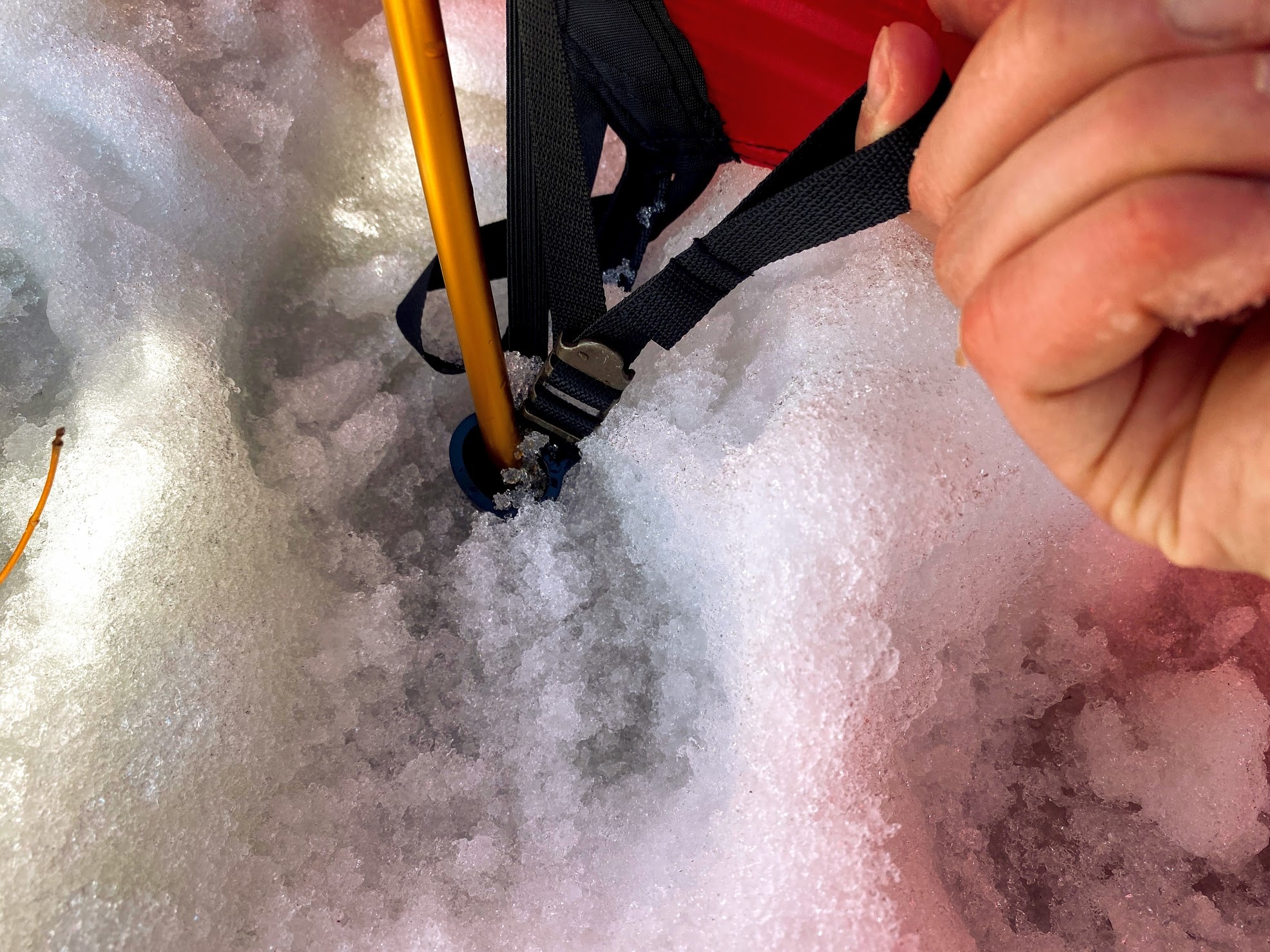
Instead of hook and loop closures, the SlingFin uses plastic circles and tabs to attach the fly and guylines to the tent poles.
Extra zipper pulls, at left, give you extra security when you're far away from a repair shop.
A pocket holds the cross pole in place on the SlingFin, and a hook and loop tap quickly attaches to a trekking pole for extra stability.
We appreciate that these poles are light, but it would be nice to repair them less often. While the Big Agnes Copper Spur HV UL2 and UL3 are smartly constructed, their materials are very thin and light. The company recommends buying a separate footprint to help them last longer. We'd have to agree.
We also like the Nemo Dagger Osmo and Nemo Dragonfly Osmo 2. The Osmo tents are a good compromise between strength and weight. The simple and thick polyester fabric of the Nemo Aurora 2, REI Trailmade 2, and Kelty Late Start 2 make them all seem like good investments. The REI Half Dome SL 2+ is more worrisome — the fly ripped at two of the guyline points during testing. The North Face Stormbreak arrived with fraying fabric.
Large zipper pulls on the Half Dome SL 2+ increase durability by making it easier to open and close the tent door and decreasing the possibility of zipper failure.
Credit: Ben Applebaum-Bauch
Many of the lighter tents tested here are not designed to endure much abuse. The Nemo Hornet Elite Osmo and Big Agnes Tiger Wall UL2 have thin materials that need to be treated with care. To increase durability, make sure you store your tent properly by cleaning and drying it thoroughly before packing it away in the off-season.
Semi-freestanding tents like the Nemo Hornet Elite Osmo reduce packed size by reducing the number of pole segments and replacing them with stakes to provide structure to the tent.
Credit: Ben Applebaum-Bauch
Conclusion
Though having so many options can feel daunting, we hope our review gives you the confidence to choose the right backpacking tent for your needs. If you love spending nights under starry skies and basking in nature's embrace, the right tent awaits you. Happy trails!
There's a tent out there for you no matter your next adventure.