We buy all the products we test — no freebies from companies. If you purchase through our links, we may earn a commission, which helps support our testing.
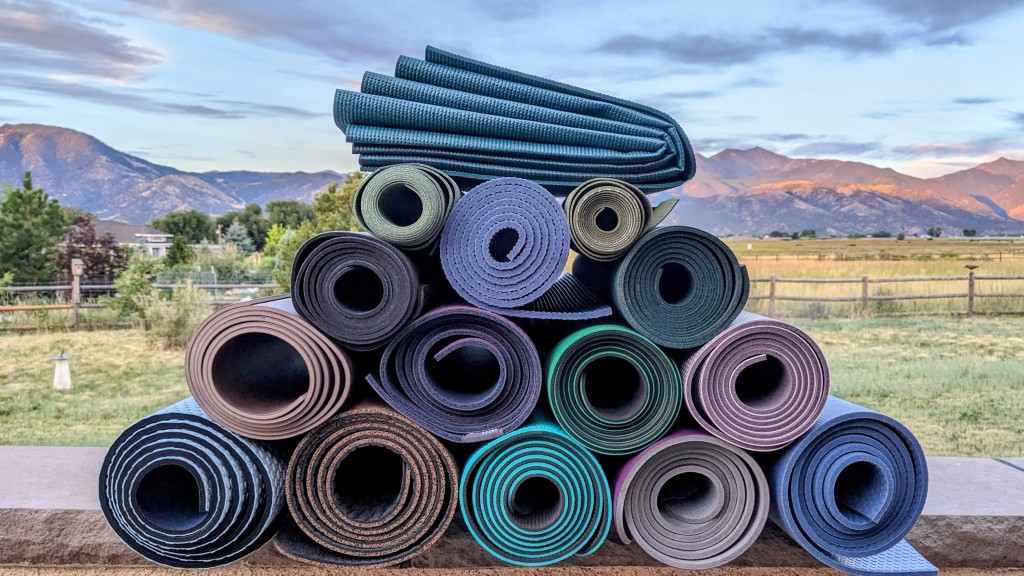
Looking for the perfect yoga mat but don't know where to start? Our yogis have tested over 55 unique yoga mats in the last decade. In this review, we put 19 models head-to-head to help you find the best yoga mat for your practice. We tested our most recent lineup with the help of over 15 yoga teachers and many more long-term practitioners to get multiple perspectives from yogis on the mat in real-time. We spent over 200 hours testing mats in side-by-side comparisons and in different styles at studios, at home, traveling, on hikes, and at the beach. We evaluate the comfort and support, grip, durability, and ease of use each mat offers. Whether you want a lightweight travel option, a grippy mat for sweaty vinyasa, or something to save your knees, we can help you find the ideal companion for your practice.
You don't need a lot of gear to show up on the mat and cultivate a practice. But if you want extra support, you might be interested in some our review of the best yoga blocks to build strength, find healthy alignment, or deepen flexibility. Our selection of muscle massage guns can help loosen tight fascia and muscles, and if you need something comfortable to move in, we recommend checking out our recommendations for the best sports bras and best yoga pants. We hope our insights help you find a supportive fit for your unique practice. May your mat support a positive space of focus, calm, and transformation.
Editor's Note: We updated our yoga mat review on April 17, 2024, to include a few more products we love alongside our top award winners.
Joint friendly cushion, long-lasting and lifetime warranty, great balance of grip and slide, firm support for inversions and balancing, yoga teacher favorite
Great traction when dry, no break-in period, comfortable cushion, stable foundation, good for hard and soft ground, textured rails for added grip, cleans easily
Excellent cushion, soft yet grippy surface, absorbs sweat, sticky when wet, versatile for different yoga styles
Insane dry grip, non-skid wet grip, portable, good cushion to weight balance
Alignment cues on mat, online tutorials, comes with fully enclosed travel bag, smooth surface for transitions, excellent wet and dry grip, comfortable cushion, wider than most
Cons
Heavy, more slippery when wet, break-in period for best grip
Heavier, creases easily, more slippery when wet
Contains latex, stains easily, needs deep cleans, may lose grip with use
Too grippy for transitions, initial odor, not very durable, stains easily
Expensive, may stain over time, not as durable as other high-performers
Bottom Line
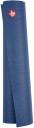
A yoga mat for a lifetime, this favorite of yoga teachers provides excellent cushion, stability, and grip even after years of vigorous practice
A yoga mat that walks the comfort and support line perfectly, with great dry grip for a less sweaty practice
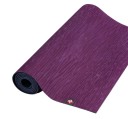
A comfortable, reversible yoga mat with a sticky, smooth side and textured underbelly whose balance of features make it superb for any style of yoga
A non-skid, springy rubber yoga mat with dependable dry and wet grip that is our favorite for hot yoga
A comfortable and grippy mat that is resilient for travel and offers alignment markers to help yogis of all levels explore healthy alignment
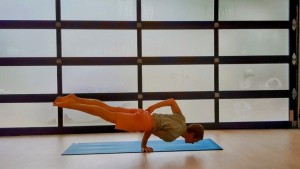
The Manduka PRO offers cushion and support to every ability level. We've seen this 6.5-millimeter mat used for everything from complicated arm and head balances to mobility work when recovering from injury. We even know one yoga therapist who uses this mat for cancer patients because the cushion supports their joints, and the mat won't budge when they work through balancing postures. We love that this mat is accessible and is a trustworthy foundation for both athletic practice and therapy. The textured surface provides excellent traction so you can focus on extending your spine rotation in poses like Parivrtta Trikonasana (twisted triangle) instead of wasting energy trying to keep your feet from sliding out. The PRO is durable over decades; we met someone who has used this mat for 20 years, and it still looks new. It can serve yogis underfoot through different stages of their lives, from rigorous daily flows to injury recovery to inward-focused yin — the best mat is a dependable, subtle support for a transformative journey, and the PRO fits that description.
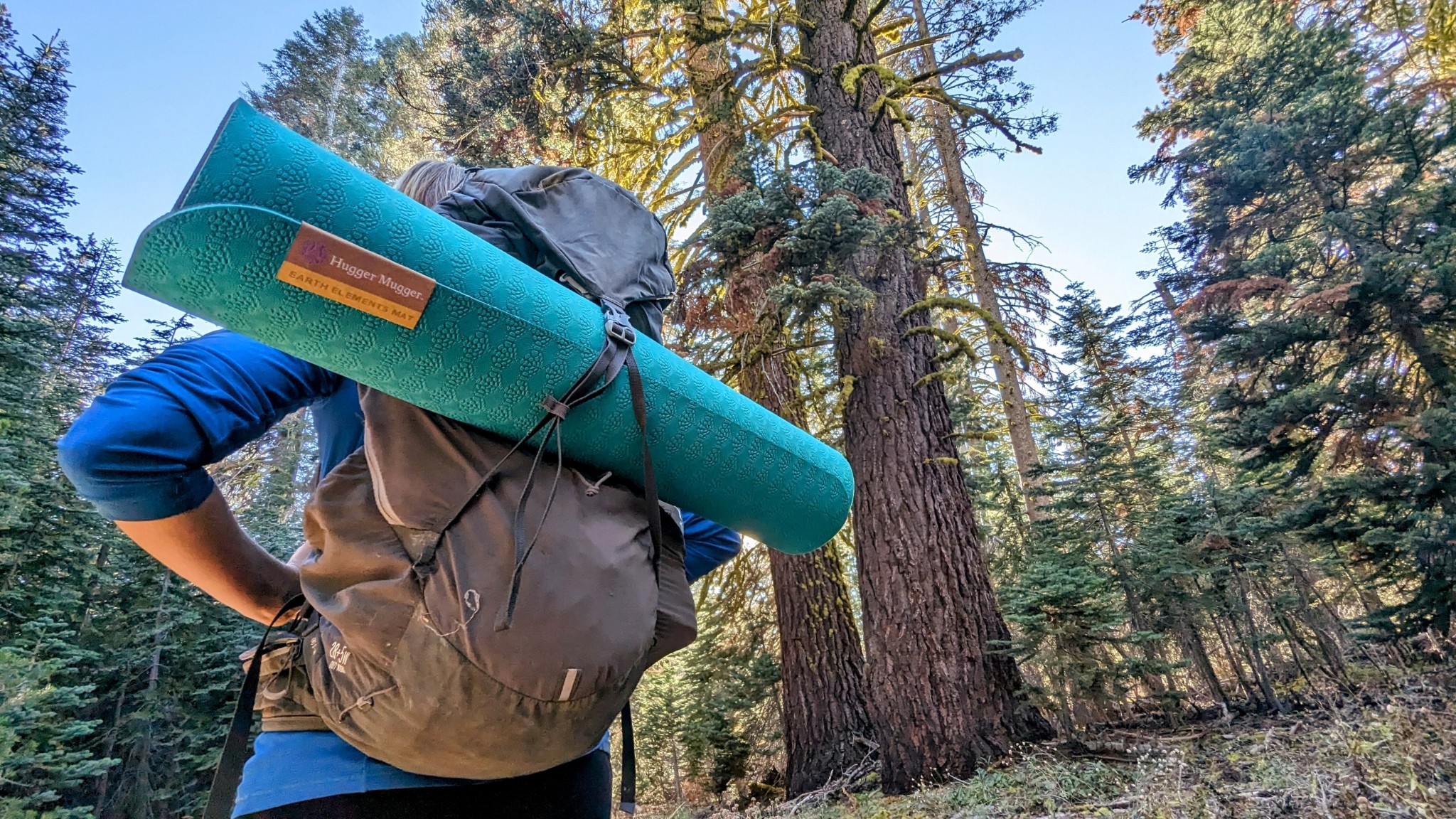
Weighing in at 7.5 pounds, the PRO is heavy — you might need a little extra yoga to undo the backbreaking work of hauling it across town (we jest). Still, some of our testers are so devoted they will fly anywhere with it. And yet, our lineup has other excellent lightweight options, like the Hugger Mugger Earth Elements if you regularly carry your mat long distances. Also, the PRO becomes more slippery when wet, so hot yoga enthusiasts might like to pair it with a towel (Manduka makes one sized perfectly to fit the PRO). Bottom line, this is one of our favorite picks for stability and comfort and a time-tested favorite of many yoga teachers.
Are you looking for a yoga mat that's easy on the wallet and light enough to carry to class? The Iuga Eco-Friendly Non-Slip mat is hands down one of the best budget options we've tested for quality and portability. It's super lightweight, coming in at just over two pounds, and provides terrific comfort, grip, and stability. We love the extra practice room, which is two inches longer and wider than many mats in our test. Its soft surface is perfect for sweaty yogis, as it offers a non-slip grip you can rely on during hot yoga sessions. The cushioning is thick enough to protect your knees but firm enough to give you a solid foundation for your practice, even during challenging single-leg balance poses.
After testing the Iuga Eco Friendly mat for several months in different conditions, we found that it's highly durable. However, it's worth noting that this open-cell mat may not last as long as other award-winning water-resistant mats and is made of more durable materials. With proper care, the Iuga mat can serve you for several years. However, one disadvantage of this absorbent mat is that it tends to absorb sweat and requires airing out regularly to keep it fresh. You might consider a closed cell mat like the Manduka eKO if you want a mat that is easier to maintain in the long run. Nevertheless, if you're looking for an affordable all-around yoga mat, this is a solid option for yogis of all levels.
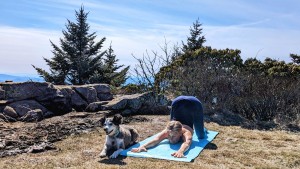
Suppose you like to play outside but don't want to cringe when dirt, sand, pine needles, or gravel meet your yoga mat. In that case, you may be interested in an inexpensive foldable mat — with no worries about destroying your high-dollar primary practice mat. The Primasole Foldable costs less than a drop-in yoga class and folds into a packable 10 x 12-inch square that is easy to tuck into a tote or backpack. This mat isn't the most comfortable, firm, durable, or grippy — but it is ultralight (under two pounds), and we love its simplicity for urban green spaces or wild adventures. We even talked with a backcountry park ranger who loves taking the Primasole on short patrols in the wilderness. After outside play, it is no hassle to hose this mat down, let it air dry, and fold it back into a square for your road trip kit.
The Primasole is a budget option that you don't have to worry about playing with outside. As such, it doesn't offer the performance of other fancier mats. If you want a home practice mat, look at our other award winners for options with joint-friendly comfort, grounding stability, and extreme grip. The cushion on this model is thin; one of our testers rolled up a shirt when she needed extra knee padding doing yoga on a granite slab in Yosemite. Made of PVC, the Primasole also doesn't feature the most sustainable materials. So those who are searching for a more environmentally sound purchase should consider more renewable materials. Though this mat won't offer the grip and comfort of your traditional roll-out mat, like the Prana Verde, we love it for yoga at the park or hiking.
The Lululemon The Mat offers a great balance of features that make it a multi-use high performer for any style of yoga. Some mats may specialize in uber-grippy texture or plush cushion, but a rare few can juggle being grippy enough for hot yoga, stable for inversions, and cozy on the joints. If you like variety in your yoga, then The Mat is the multi-use tool you've been looking for. We especially appreciate that this mat is reversible and offers excellent wet and dry grip on both sides, making it suitable for cooling yin sessions or sweaty yang flows. The smooth side is sticky but smooth enough for sliding into jump-throughs or rolling over the toes. The surface of the sticky side becomes grippier with a bit of moisture, so you can settle comfortably in a downward dog without fear of your hands sliding forward. This is one of the most versatile yoga mats in our lineup, and we highly recommend it for yoga students of any style or ability.
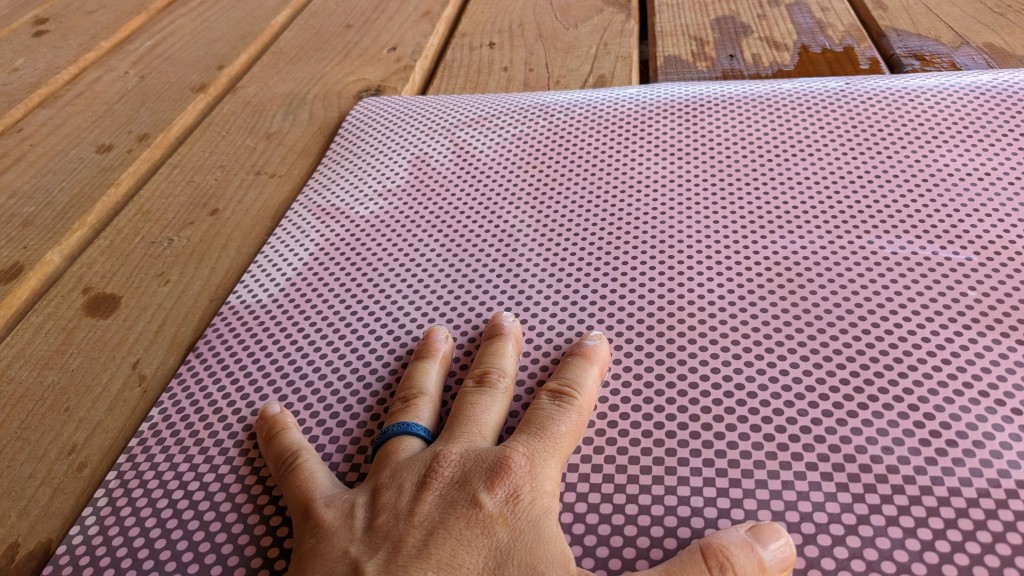
The Mat is resilient for an open-cell, sweat-absorbing mat. It typically has over five years of practice life but is less durable than some others. One concern with The Mat is that the absorbent top layer soaks in oils and dirt, making it easy to stain. Choosing a darker color can significantly affect how fresh it looks over time. We highly recommend not ordering the dot pattern because it creates an optical illusion that made many of our testers dizzy. The Mat rolls up tightly and is easy to carry; however, at just under six pounds, it may be heavy to carry or bike with to class. Overall, The Mat is an excellent choice for almost every practice or if you enjoy experimenting with different movement styles. It shines as a home or studio mat. Those who need a lighter, more travel-friendly option may be happier toting around the ultralight Jade Voyager.
The B Yoga B Mat Everyday has unbelievable traction. The grip is so firm that you almost expect to be left with sticky residue coating your hands post-practice (don't worry, you won't be). Although lighter weight than most high performers at just under four pounds, the four millimeters of the B mat offers firm support and cushion comfortable enough for most practices. If you're tired of schlepping a mat and towel to class every day, only to have that towel bunch up on the mat and be a distraction, then The B Mat is grippier than most yoga towels when wet. If you have sweaty hands and feet, this will give you traction — your warrior will no longer trip in sweat puddles.
The grip makes the B Mat stand out among the competition. And yet, it is this very thing that can also hinder some yoga practices. Those who prefer a faster-paced practice like Ashtanga or flowing Vinyasa classes involving sliding transitions will find this mat too grippy. Our testers who normally slide over their toes found that they needed to step rather than glide into poses, losing flowing movement patterns. Therefore, the traction can interrupt your practice if you don't like excessive friction. However, this mat can help you anchor into many poses if you prioritize stability. Also, the B Mat is less durable than other contenders in our lineup, and the surface can crease and stain more quickly if not stored properly. Though unsuitable for flowing vinyasas, the B Mat Everyday is incredible if you plan to move slowly and want a mat that grips you back, earning its place as a hot yoga favorite. Those needing a less grippy surface for more fluid flows should consider another contender like the Gaiam Premium 6mm.
Rolls tight and packs easily into the included travel case
Lays flat
Alignment lines for learning healthy form
One of the easiest mats to clean
REASONS TO AVOID
Stains easily
Thin for sensitive joints
SPECIFICATIONS
Measured Weight
6.2 lbs
Materials
Top: proprietary eco-polyurethane top surface, bottom: natural rubber
Thickness
6 mm
Length
72.8"
Width
27"
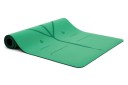
Are you a yogi nomad looking for a mat you can easily carry across town, the country, or the planet? Although the Liforme Original is not as light as many “travel mats” on the market (which are thinner than a piece of cardboard), it is a decent mid-range weight and such a high performer in all our testing metrics that we were happy to carry it across town or on a bike. One of our testers flew with it internationally and said it was easy to fly with and fit in the overhead bin; it is resilient and won't crimp or wrinkle. Plus, the mat comes with a protective, fully zippered bag. One unique design feature is the Liforme's printed “AlignForMe” markers on the mat's surface, which yogis can use as a visual guideline for mindful placement during yoga practice. With 4.2mm of buffer between you and the hard floor, this mat offers a beautiful balance of comfort, grip, and firmness.
The Liforme is incredibly comfortable, and the cushion feels sufficient for most poses. Still, those who need something more supportive should consider a thicker cushioned mat. The mat is resilient enough to stand up to scuffs and dents, but it will wear out and eventually lose its sticky grip after several years of vigorous daily practice. Liforme uses eco-friendly materials and designed their mats to biodegrade in normal landfill conditions in one to five years. Well-balanced performance makes this an excellent choice for a home mat or travel carry-on. Add the intuitive alignment guides and gecko-like grip, and you have a supportive mat with the potential to inspire a deeper self-study of proprioception and healthy posture on the mat, wherever you roam. Still, if you need more support, the extra half-millimeter thickness of the Manduka PRO provides a nice balance of cushion and support.
We enjoyed Liforme's cushion and grip wherever we traveled, and how the alignment lines helped us navigate with more stability and steadiness through asana practice.
If you like to sweat, the Yoloha Unity Cork Mat gets grippier when wet and provides non-slip stability when you stoke the inner fire. We agree with Yoloha's intention for this mat, “The Unity was created to withstand intense sweating and vigorous practices.” The cork-rubber top layer is firm, providing solid stability for balance postures. It can be slippery when dry, and we found it helpful to spritz water where your feet and hands go at the beginning of practice to establish the grip. Beneath the cork surface, a three-millimeter foam layer offers moderate cushion for sensitive knees and elbows. This mat is best suited for the minimalist who likes a little cushion but values a firm and grounding foundation.
The Yoloha Unity offers impressive grip but also requires a break-in period for optimized traction. You'll likely find the surface slippery if you practice on this mat when it is dry. You can mitigate this issue by always packing a spray bottle, but even that can be a hassle. If texture is a consideration, the surface is grainier than most yoga mats, and our testers either loved or hated its feel on their skin, one tester describing it as “wet beach sand.” Considering this cork mat's incredible grip and stability, it's one of the most expensive mats we tested. Some of the cost accounts for environmental materials and manufacturing — it is one of the least costly mats for the planet. If you prefer to keep the cash in your pocket, the Manduka eKO SuperLite is a cheaper alternative that still uses sustainably harvested tree rubber. All things considered, the Unity is a terrific option if you're shopping for a cork yoga mat that offers sweaty hands friction, an antimicrobial surface, and firm stability. Plus, Yoholo partners with EcoCart to empower a carbon-neutral purchase for each mat.
The Yoloho offers a stable base and even helps stabilize you on bumpy surfaces outdoors. With a natural look and feel, this is one of our most grounding yoga mats.
Credit: Kate Pitts
Compare Products
"Yoga is the calming of thought-waves in the mind." - Yoga Sutras 1.2
Credit: Kate Pitts
How We Test Yoga Mats
To find the best yoga mats, we consulted yoga teachers, yoga therapists, and longtime practitioners about the qualities they want in a yoga mat to support their practice. The search for the best options available began with extensive market research. We considered over 60 models before choosing the most promising to put through our battery of tests. Our testers then assessed each mat over two months of rigorous practice. For the current lineup, we consulted with over 15 yoga teachers about their long-term experience with top contenders. Our testers then spent over 200 hours practicing on the mats in dry and wet conditions, documenting how each mat cushioned the joints and provided stability for balance, and the level of non-slip grip they provided. To ensure quality, we also documented the durability and ease of care for each mat. A final consideration was the sustainability of the material and manufacturing of the mats.
We ranked each mat across the following four test metrics:
Comfort and Support (35% of overall score weighting)
Grip (30% weighting)
Materials (20% weighting)
Ease of Use (15% weighting)
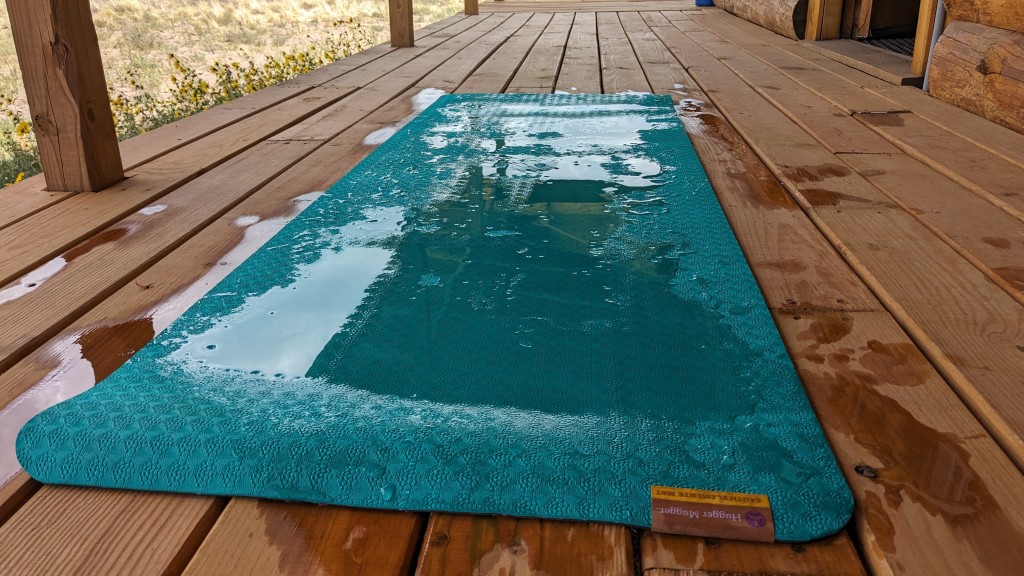
We tested out wet traction on each and every mat in this review.
Credit: Kate Pitts
Why Trust GearLab
Collectively, our expert testers have practiced yoga on these mats for thousands of hours. Our primary yoga mat tester is Kate Pitts, a dedicated Ashtanga practitioner and yoga teacher of five years. Kate taught her first yoga programs as a ranger for backcountry hikers at the bottom of the Grand Canyon, where sleeping pads were stand-ins for yoga mats. Nowadays, her bones appreciate the luxury of a well-cushioned mat. She loves doing yoga outside and is grateful for how her practice connects her to nature and the deep ecology that supports her community. Kate teaches Ashtanga Mysore, Yoga Nidra, and Yin and is continuing her studies in yoga therapy.
Yoga is like music: the rhythm of the body, the melody of the mind, and the harmony of the soul create the symphony of life. - B.K.S. Iyengar
From early mornings to dusky evenings, we practiced every day on multiple mats to bring you this review.
Yoga mats for days.
We tried out each mat on all kinds of surfaces.
Our testers used their years of experience to ensure each yoga mat was thoroughly tested.
How to Pick the Best Yoga Mat for You
Selecting the right yoga mat will depend on your practice goals and desired level of mat thickness. Below we have outlined some of the most important points when it comes to buying a yoga mat.
How Thick Should Your Yoga Mat Be?
One to two millimeters: Mats within this range are considered thin and are usually categorized as “travel mats” as they cut back on weight. If you plan on strapping your mat to your back as you bike to the park or packing it in your carry-on, a thinner option is for you. These won't feel as good on your joints, but you can always fold the mat over or use a folded-up blanket for extra cushion.
Three to five millimeters: Most yoga mats are within three to five millimeters thick. This range is perfect for finding balance on your mat while still having enough cushion for your joints. We recommend sticking within this range unless you specifically want a travel mat or need extra cushion.
Six millimeters and up: Mats on the thicker side of six millimeters are a good option for joint support. These are also good for yoga practices that have extended periods of standing or sitting poses. If you struggle with joint pain, a thicker option might be best. Just keep in mind the thicker the mat, the more “squish” you'll have to balance on.
Some mats are better for travel as they are lighter and roll up smaller, while other thicker mats will provide more cushion.
Credit: Kate Pitts
What Mat is Best for Your Practice?
Both beginners and flow/vinyasa styles require a mat with good traction. However, beginners shouldn't worry too much about spending a lot on their first mat. Instead, try to select a mat that has a combination of traction, cushion, and stability. Those focusing on flow/vinyasa should prioritize a mat with traction, but not too much. As you'll be frequenting downward facing dog and quickly moving through positions, select one that has good traction both dry and wet that allows you to slide into positions. You'll also want excellent wet traction for hot yoga classes. For this, we recommend choosing a “closed-cell” option which allows sweat to easily be wiped off.
If you're planning on relaxing through a restorative flow, opt for a thicker option. These flows have mostly sitting and lying positions, so you'll want something cushiony to rest on. However, you can always choose a sturdier option and pair it with a blanket or secondary mat. If you do a little of everything or aren't quite sure yet, prioritize a mat with great traction and stability.
If you plan on doing hot yoga or you sweat a lot, choose a closed-cell mat. These won't absorb the sweat and are easy to wipe off.
Credit: Kate Pitts
Analysis and Test Results
In an age of information, too many options can trap you in choice overload, and today, there are more yoga mats on the market than there are traditions of yoga. The options range from inexpensive mats you can pick up at a big retailer to expensive specialty designs crafted by yoga teachers. Choosing a mat depends on your body, preferences, and the style of yoga that you practice. We've rolled out our mats and offer nuanced insights from decades of practice to help you find a supportive fit. We discuss pricing in the yoga mat market, what to look for when making a value-based purchase, and how the different models performed throughout our testing process.
Value
Although we don't include value in the numerical ranking of our tested mats, we recognize that getting a product worth your dollars is important. A high-value yoga mat is high quality, so we look for products that balance being wallet-friendly with excellent performance. There are a lot of cheap yoga mats on the market, but that doesn't always tell the full story. That said, inexpensive mats often sacrifice cushion or grip, which detracts from a practice that should feel good on your body. Conversely, some models retail for top dollar, and we feel like it is our responsibility to ask if the quality matches the price tag or if we're paying for the logo. If you're looking for something that bridges the best of both worlds — high-performing and inexpensive — you have to compare the price to performance.
Manduka mats have a higher price tag, but they consistently last teachers over a decade with little signs of wear despite daily, vigorous practice — particularly the Manduka PRO. To us, this makes it worth it to pay a bit more upfront. The Iuga Eco Friendly Non Slip offers an excellent balance of cushion, dry grip, and portability at a fair price. It is a friendly mat for starting your yoga journey or for carrying to class.
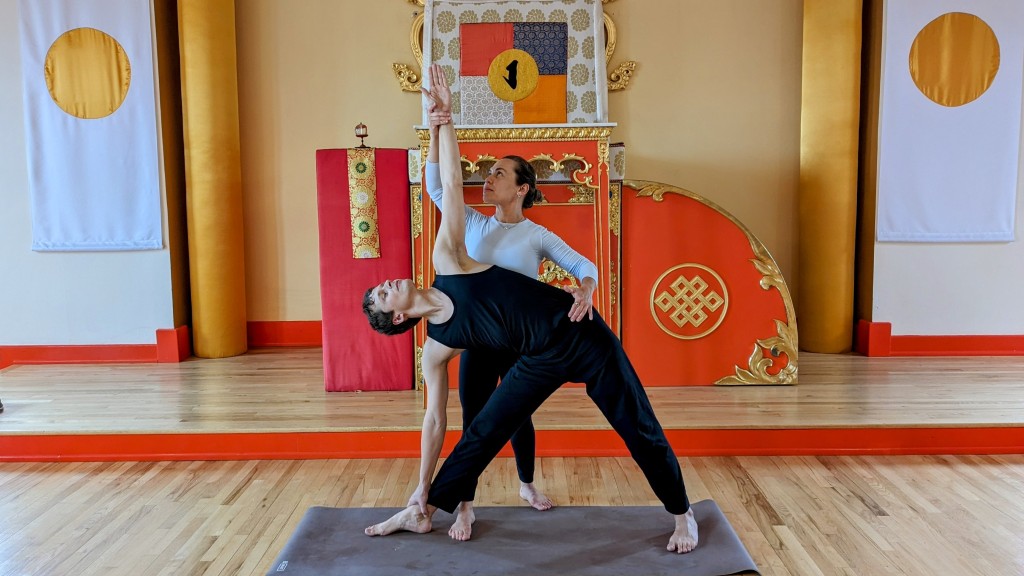
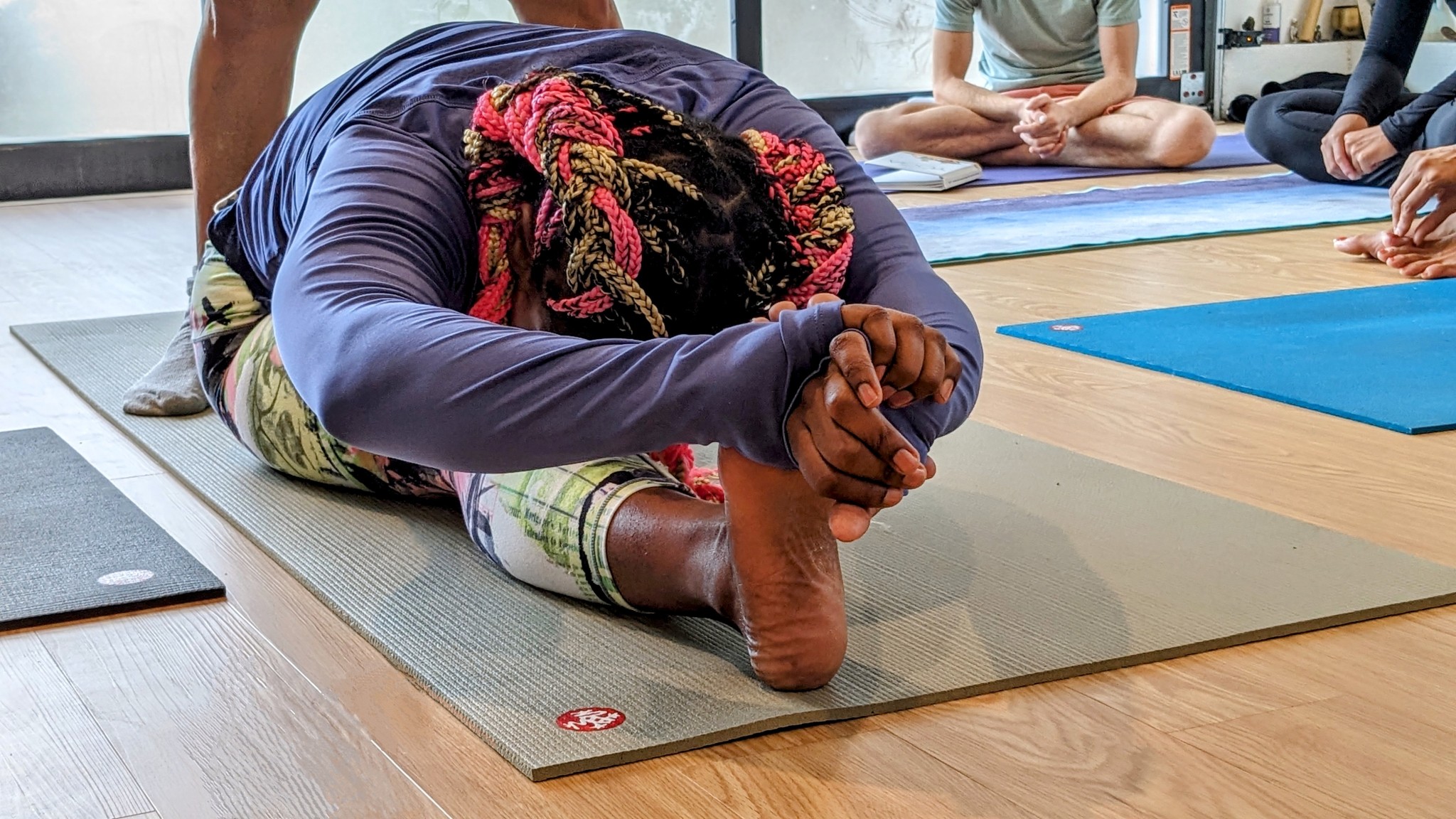
The yoga teacher giving this adjustment says the Manduka Pro mat in this photo is nearly two decades old! Nine out of 12 teachers at this workshop own a Manduka Pro as their personal mat.
Credit: Kate Pitts
Some mats are a bargain, not because of exceptional performance, but because they fit the lifestyle of different yogis. The Primasole Foldable costs less than most yoga classes and folds into a portable square. It is a great beater for times you don't want to scuff up your expensive daily mat. In a city studio, this mat would not be ideal, but in the wilderness or while traveling, it fits the bill.
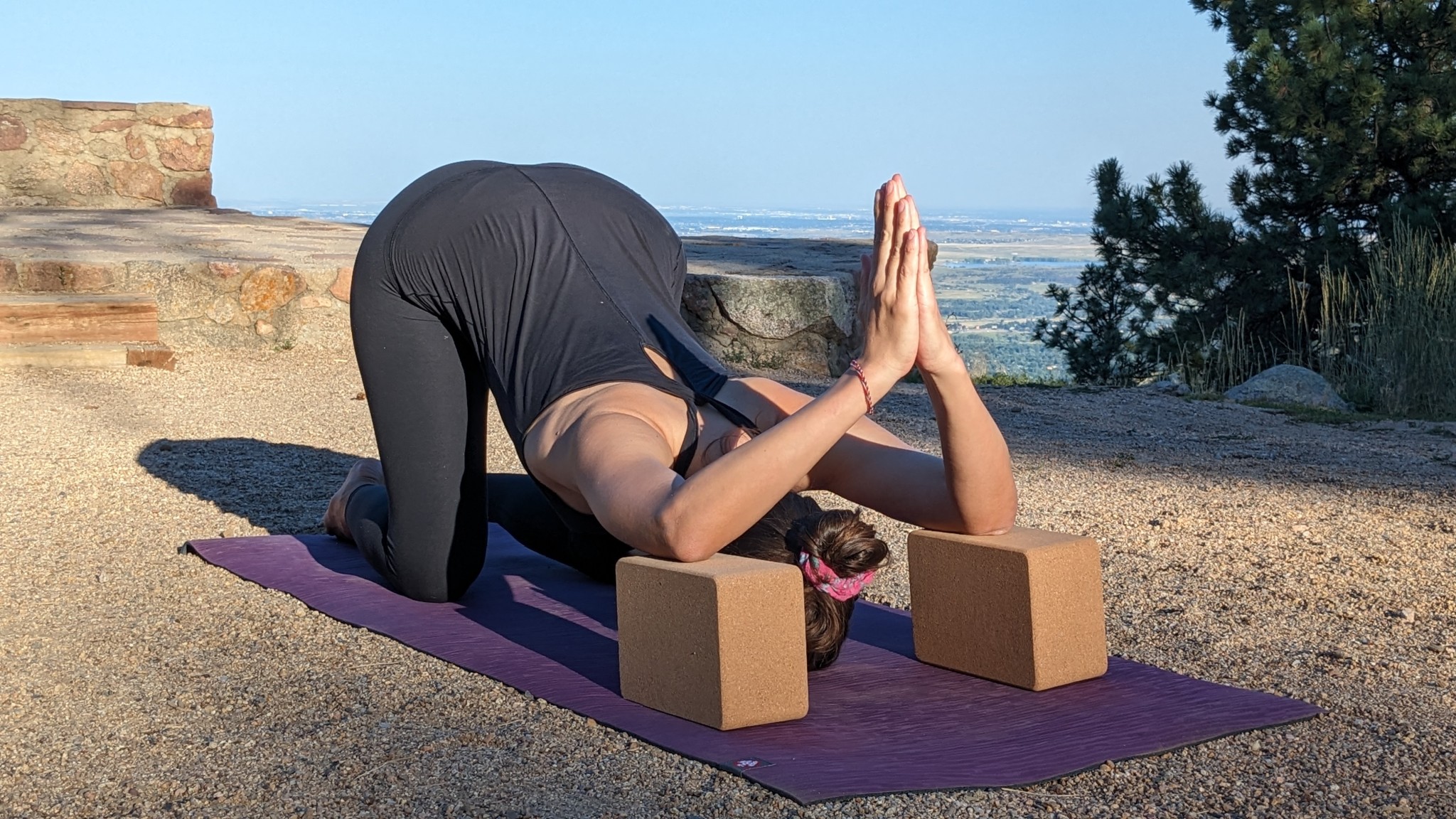
We folded the Primasole into our day pack for a flow in Yosemite. Grounding into nature is priceless.
Credit: Kate Pitts
Comfort and Support
Comfort and support interweave into arguably one of the most important metrics to consider in a yoga mat. The best yoga mats are not too soft or hard but hit the Goldilocks balance of “just right.” We look for protective cushioning against unforgiving surfaces that is firm enough for you to balance, stabilize, and prevent overextension of joints.
It only takes a few breath cycles in cat-cow to feel your femur pushing down through your knee joint, and if your yoga mat doesn't cushion enough, pain or discomfort can radiate from this hard contact with the ground. You want a cushion with a protective barrier that softens and supports impact. If you stand on a mat and can see footprints, it is too soft for daily practice because the cushion compacts to the ground.
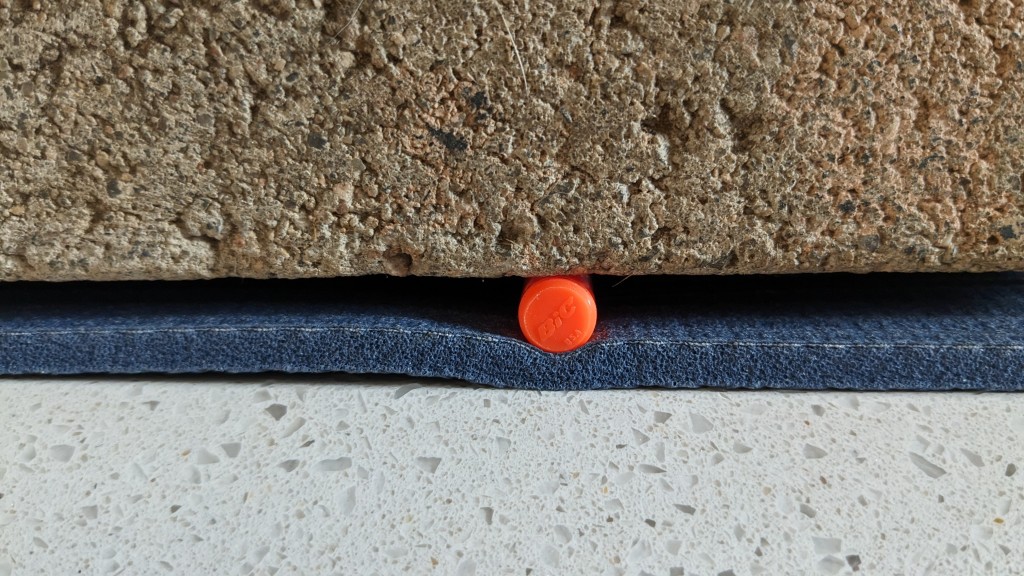
We simulated how each mat performs when a person's bones compact the mat's buffer by compressing the padding onto a pen (like the head of a joint) under the weight of a 40-pound cinder block. Mats that squeeze only a little of their depth are more dense and springy, offering a protective barrier between your bones and hard floor. Mats that are not protective collapse under your weight into the floor's hardness.
The Manduka PRO was among our best performing in this simulation of bones pressing down into a mat. The cushion compresses just enough to give a springy landing but does not cave in, a soft barrier between the sensitive bone and hard floor surfaces.
Lululemon The Workout Mat compresses most of its depth and provides only a little cushion between your joints and the floor.
This test looked to simulate hard bones and joints pressing into the mat - the differences between models was immediately noticeable.
The Manduka PRO has one of the most supportive cushions in our tests. We talked with a yoga therapist who uses the PRO when she works with people rehabilitating injuries or with terminal illnesses like cancer patients. The cushion is protective but firm for balancing postures, offering the proper support for therapeutic and athletic flows.
Many find that the PRO has an excellent balance of cushion and firmness for challenging moves, recovery, and therapeutic practice.
Credit: Kate Pitts
The Mat from Lululemon is another of our most comfortable mats. One surprising thing about this mat is its softness; it has a lovely smoothness when you glide into a pose. The Manduka eKO walks the line of comfort and support “just right” for many people. It offers a standard thickness of 5mm and has a little more spring in its cushion than the PRO.
The Manduka eKO is made of 5mm of sustainable rubber padding that has a resilient spring and creates an excellent cushion for the joints.
Credit: Kate Pitts
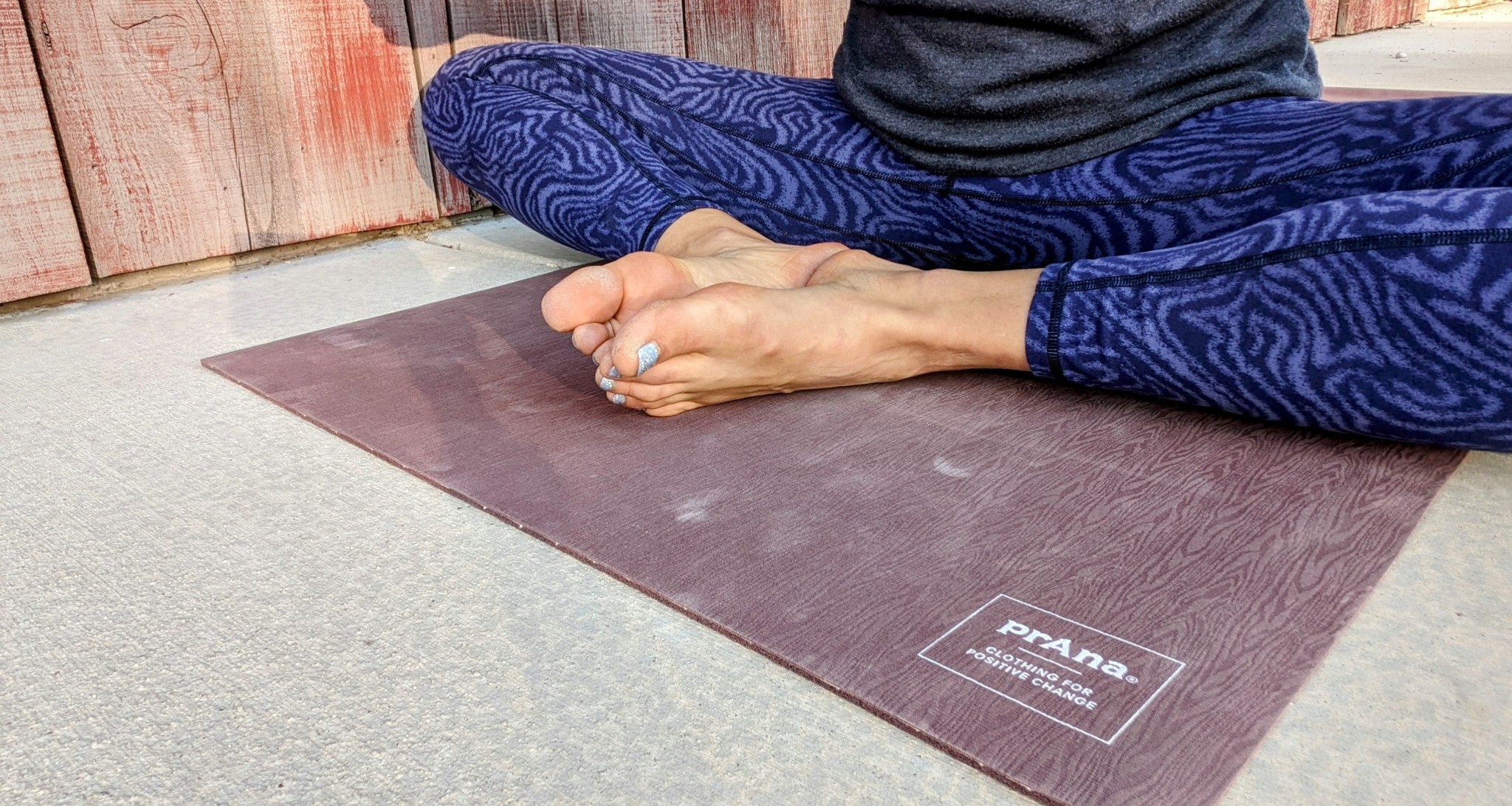
Despite being one of the lightest non-travel mats in our line, the Iuga Eco Friendly has a high-performing cushion that is thick enough to protect your knees on hard floors and firm enough to support strength and balance poses. We also appreciate the thick and firm four millimeter cushion of the Prana Verde, which has a lovely rebound spring.
The Prana Verde has a dense cushion that protects you even on hard surfaces like concrete.
Credit: Kate Pitts
The Gaiam Performance Dry-Grip has an ideal cushion level. It feels good on the joints, is firm for support, and doesn't budge on the ground. Although it is not the grippiest sticky mat, it is a lovely choice for restorative practice.
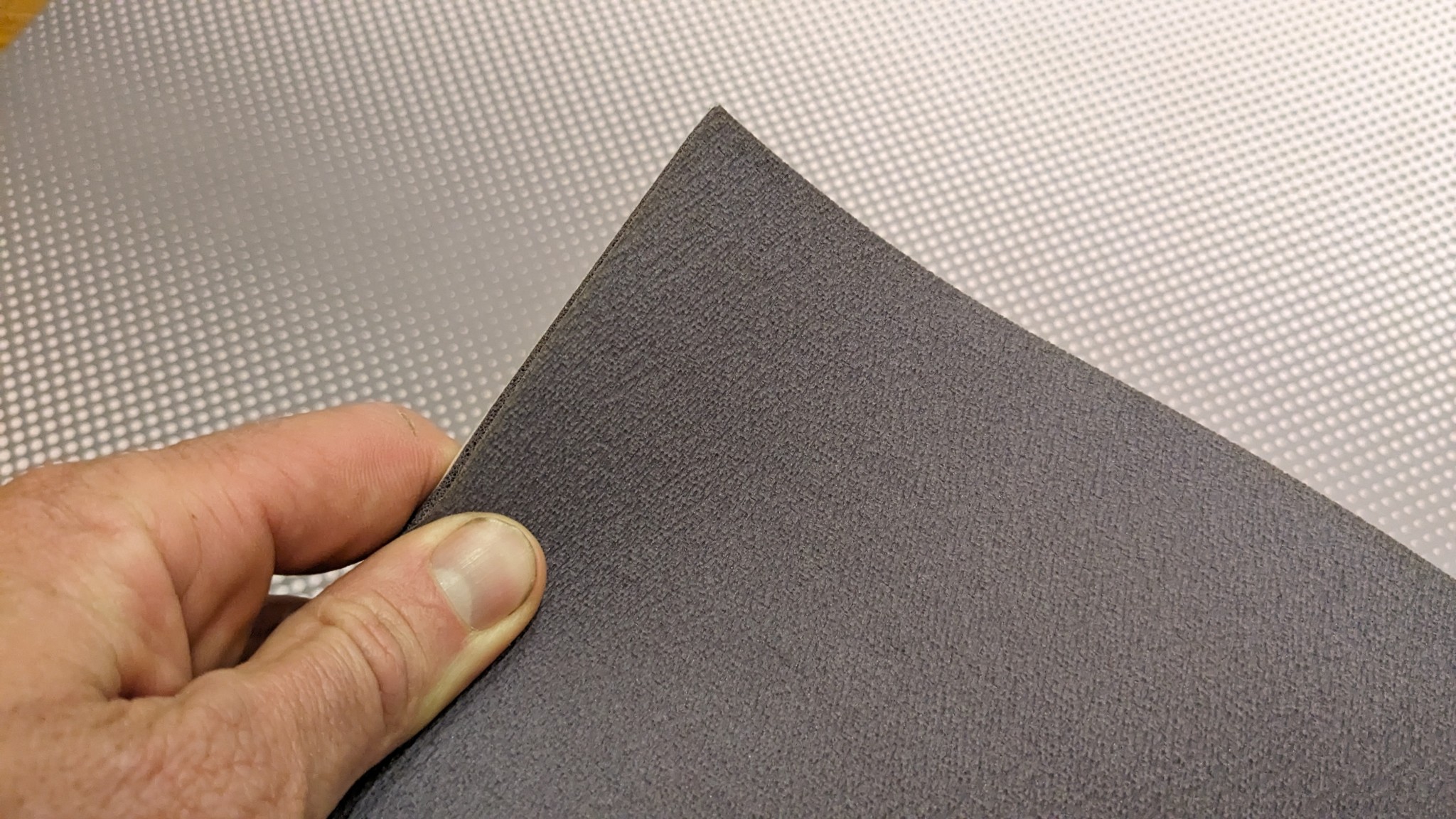
The Gaiam Performance Dry-Grip has a soft 5mm cushion and a silky-smooth surface for relaxing. The surface dye can rub off, so we recommend buffing it with a towel before first use to prevent clothing stains.
Credit: Kate Pitts
The B Mat Everyday gives moderate cushion to knees and elbows while remaining firm enough to prevent overextending or tweaking your wrists during inversion training or sun salutations.
The B Mat is among our lightest weight high performers and offers a firm cushion that supports your wrists.
Credit: Kate Pitts
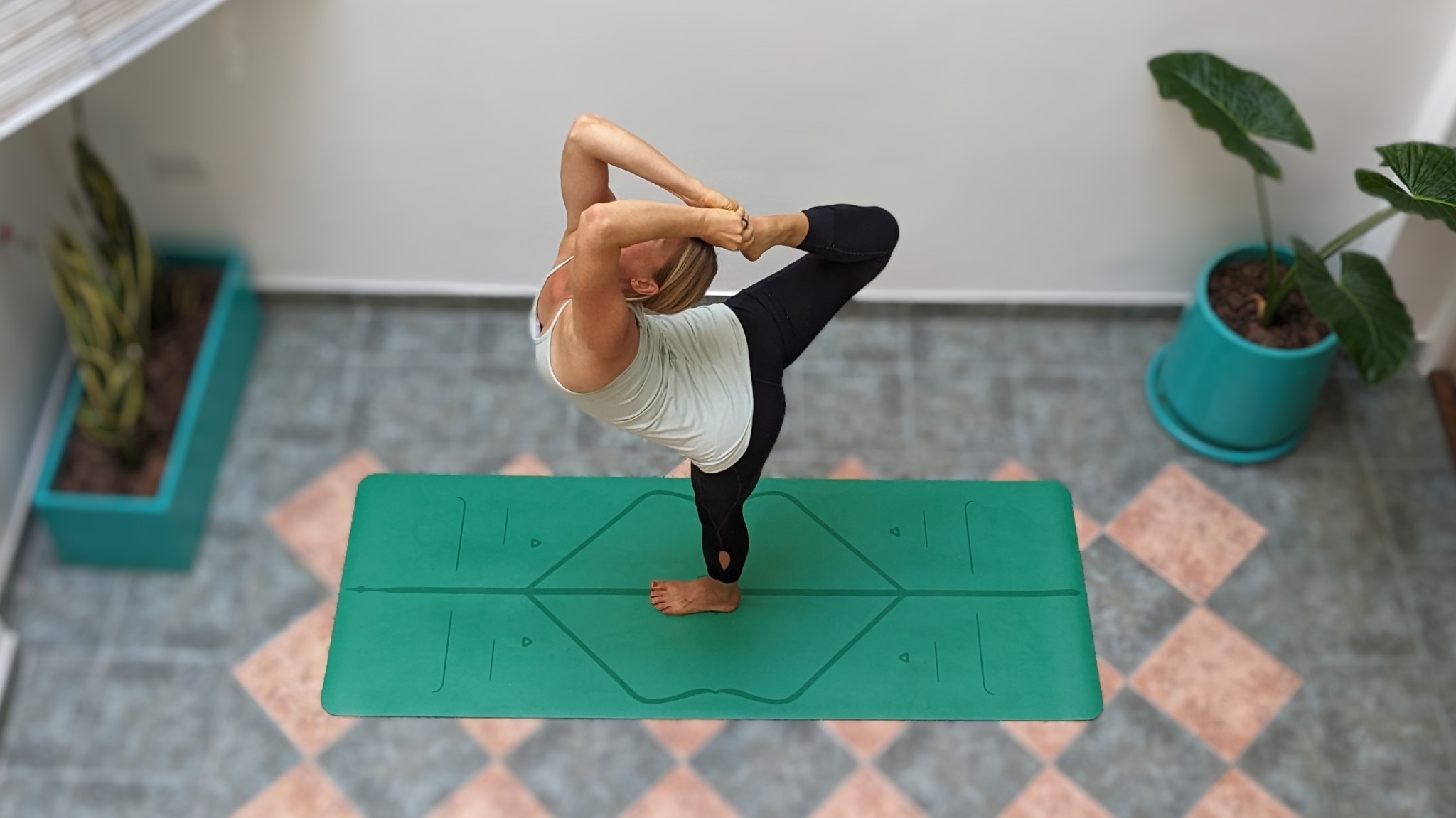
Although a little thinner cushion than other top-scorers, the Liforme Original offers an excellent balance of cushion and firmness while being an acceptable travel weight. One innovative feature the Liforme offers is alignment grids that can help you learn healthy structural form and work on left/right imbalances in the body.
Self-correcting is a skill that develops over time in your yoga practice and is one of the joys of body awareness. The alignment lines on this mat help yogis of any level increase proprioception and work on left/right imbalances.
Credit: Kate Pitts
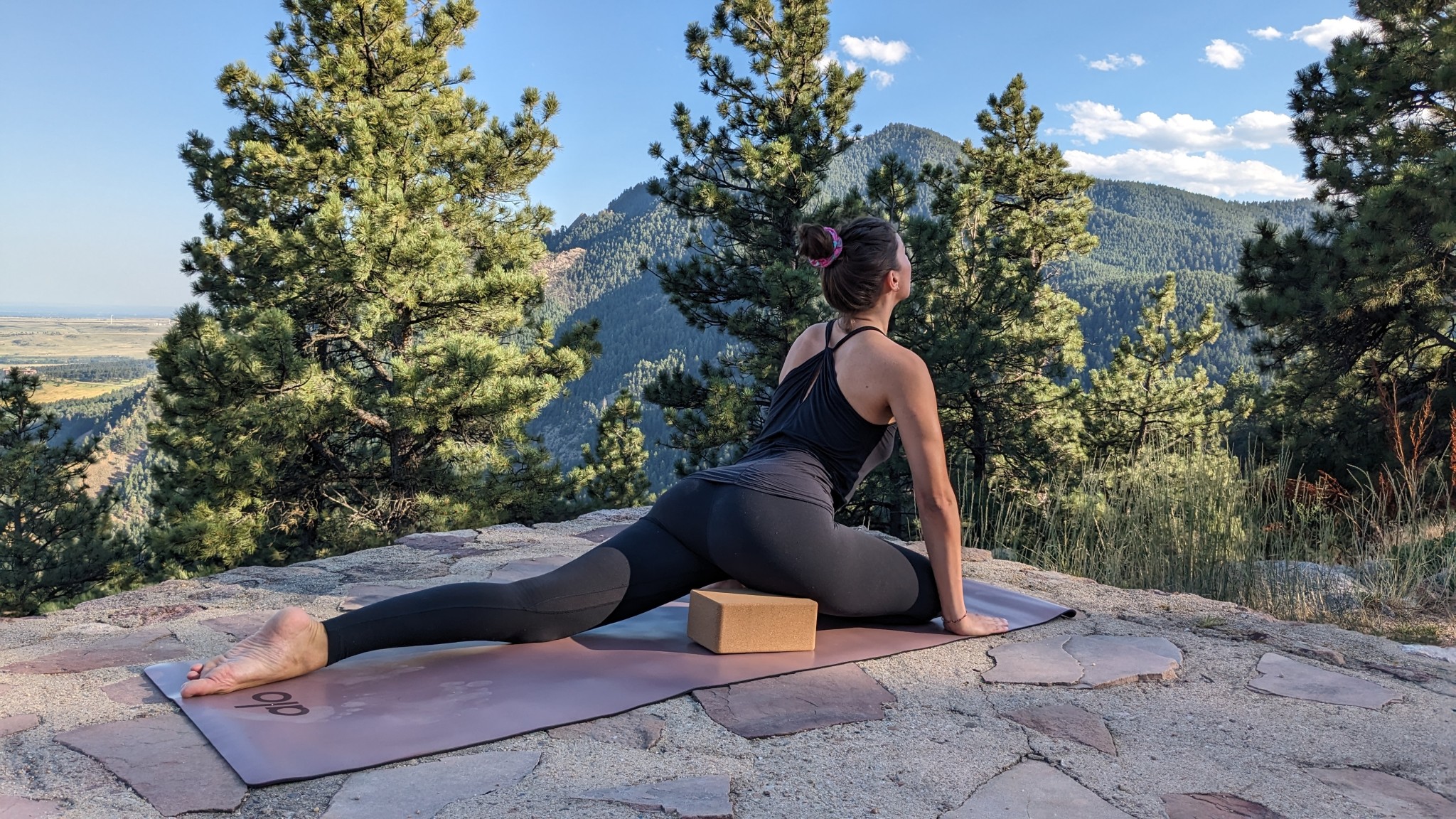
If you want a mat that is extra long and wide, we loved spreading out on the Alo Yoga Warrior Mat, which, at 73.5 x 26 inches, is two inches wider and five inches longer than standard mats. It provides a comfortable cushion for joints but is slightly thin for dynamic rolling on the spine.
The Alo Yoga Warrior Mat is extra spacious and has decent cushion, although some testers wished the surface was a little more elastic to let energy move through the hands.
Credit: Kate Pitts
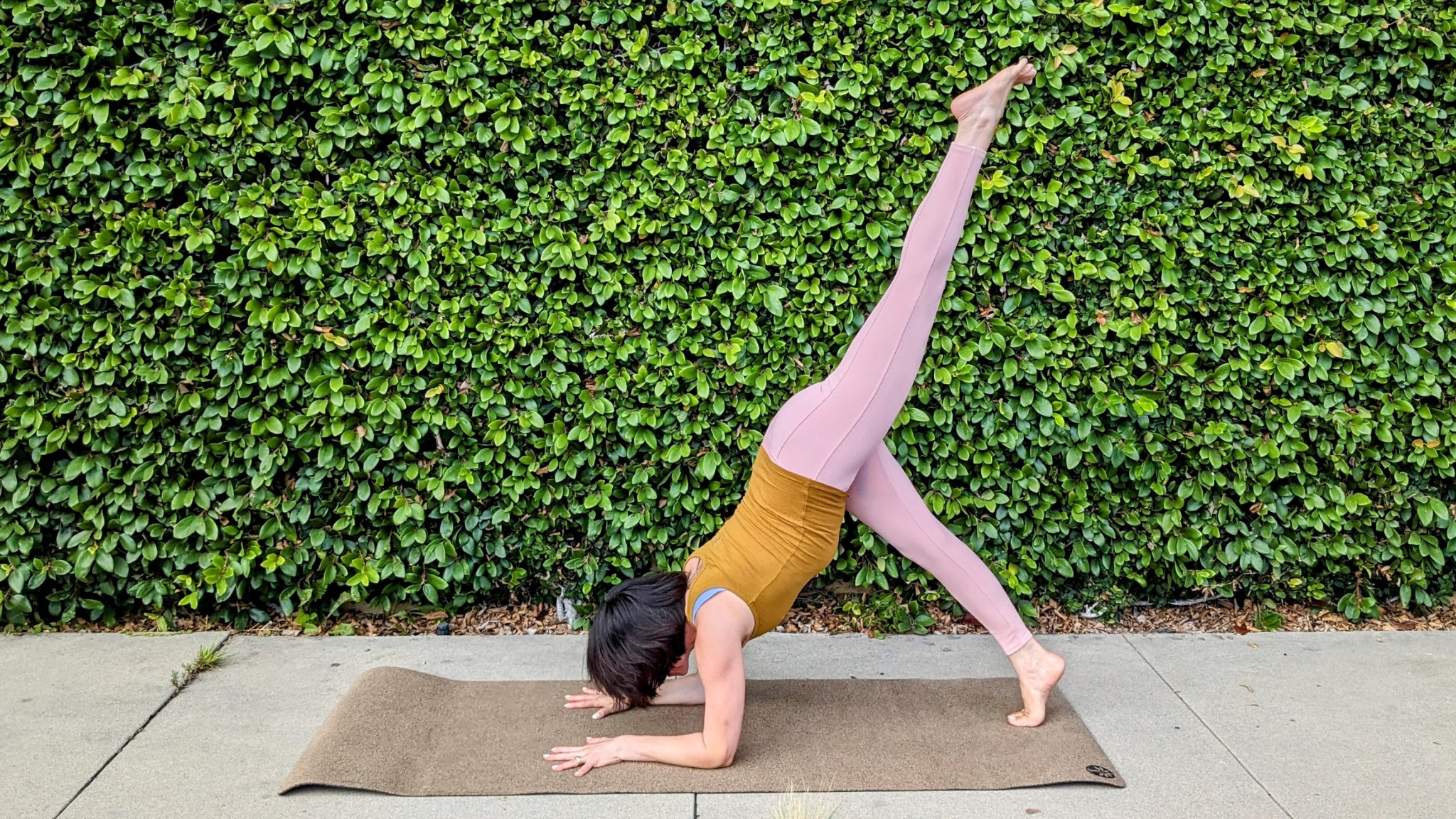
A firm mat helps with things like inversions by not squishing the wrist joints forward or to the side when you carry weight on your hands. The same applies to upright balancing poses — a mat that is too squishy can cause your foot to turn in or out, unevenly distributing weight and making muscles up the chain compensate for the off-kilter base. The Yoloha Unity Cork is extra firm and one of the most stable mats we tested.
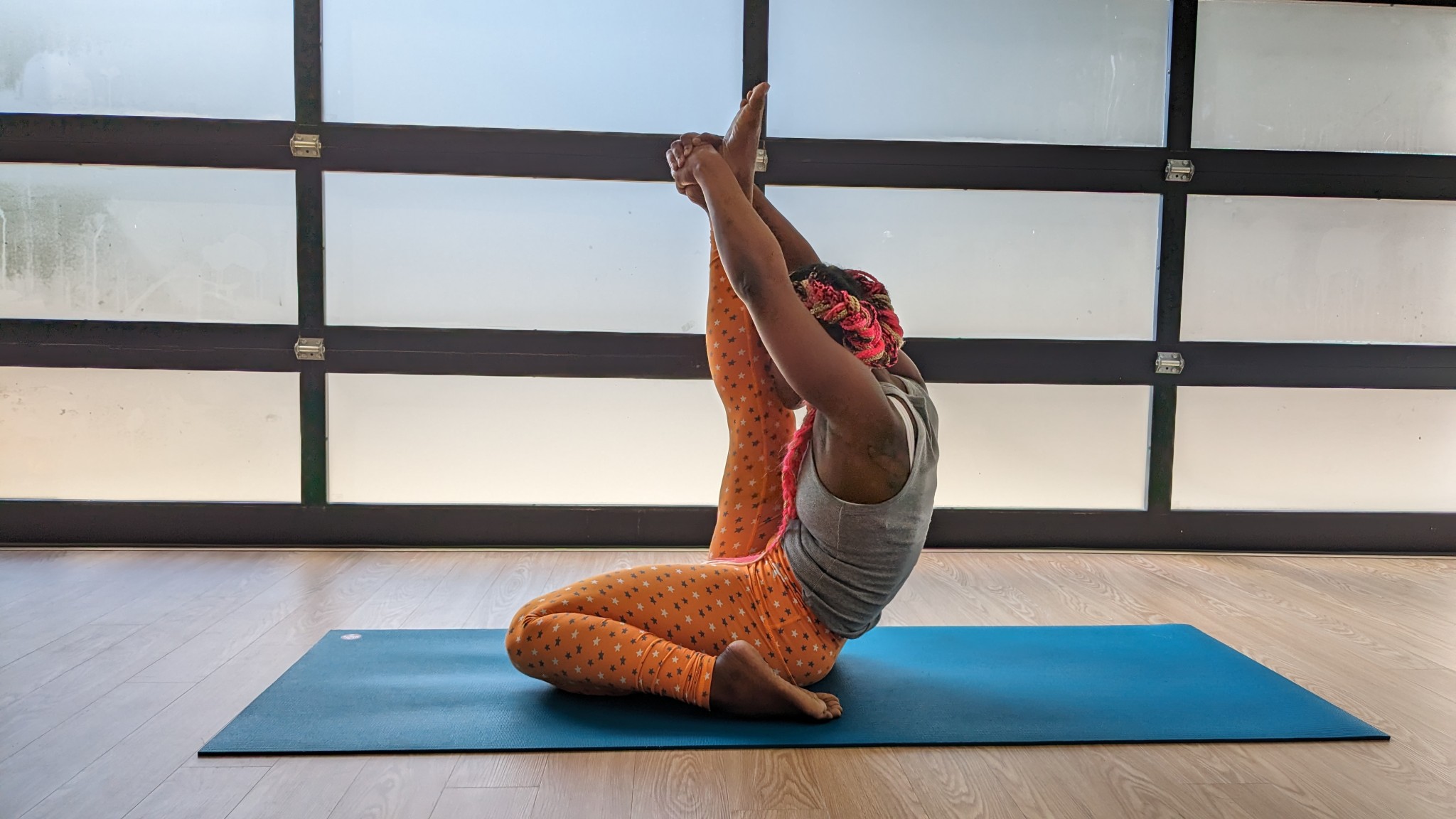
Your feet feel connected to the Earth on the Yoloha Unity, one of our most stable mats.
Credit: Kate Pitts
If you have sensitive joints, we recommend buying a mat with a firm, rebounding cushion to enhance balance in your flows and standing asanas. A solid rather than squishy foundation will not stress your body to compensate for a “too soft” yoga mat. Use complimentary padding when you need support for sensitive joints.
That said, a cushy mat may be a good choice if you primarily use it for restorative or yin practices. The Hugger Mugger Earth Elements has a foamier cushion that offers moderate stability for balance but is deliciously comfortable for seated postures, yin classes, and sound baths.
The Earth Elements offers a cozy cushion for relaxing into a pose or meditation.
Credit: Kate Pitts
Grip
Slipping all over your mat or having a yoga block slide out from under you is a great way to disrupt your flow state. For many people, traction doesn't depend solely on the mat since grip is also a skill that improves as you learn to control your body. Different levels of grip on a yoga mat are appropriate for different types of practice and experience.
Our tests assessed each mat's dry and wet grip in a side-by-side comparison, as yoga mats perform differently depending on conditions. We present a variety of grip options so that you can reflect on what would be most supportive for your body and the type of yoga you enjoy.
Each mat in our lineup got saturated with a liter of water, about the amount of liquid most people shed during a hot yoga class. We then tried a series of poses on each mat to determine which ones retained some traction and which ones became a slip-and-slide.
Credit: Kate Pitts
The B Mat Everyday has the most impressive grip right out of the box. It is hard to believe that a yoga mat can be this tacky without leaving residue on your hands after practice. Because the B Mat is so sticky, it can be challenging to flow through, jump through, or roll over the toes without your feet getting stuck. We also appreciate the tiger-stripe traction lines on the top of the Manduka eKO and Prana Verde, especially for a dry grip, non-heated session. We found that they gave good friction for arm balances and inversion practice.
Press your feet down evenly and brighten the arches to meet the stellar traction of the B Mat with your own body-intelligent grip.
The traction "rails" on the top of the Manduka offers friction we trust for our most challenging poses like Ganda Bherundasana (Formidable Face Pose).
Excellent grip will help support your practice without impeding it, but what that looks like may be different for each person.
Build your grip in standing poses with a solid foundation in your feet. Notice the triangle from the pad of your feet down to the heel and play with evenly distributing pressure on each side. Lift and brighten the arches of the feet. Play with different ways to engage — press into the big toe mound, lift the toes slightly, and notice what activates in the legs. The next time you practice, observe when only half your foot presses into the floor and how this impacts your stability.
Some yogis find the Prana Verde's sticky grip pattern offers excellent traction, while others find it too grippy for some sliding transitions.
Credit: Kate Pitts
The Mat from Lululemon offers incredible wet and dry traction for almost any style of yoga. The mat is absorbent and quickly soaks in your sweat, and it takes significant sweat input to build up any moisture on the surface. Even when this mat was soaking wet, we found an excellent suction when our hands and feet activated on the mat.
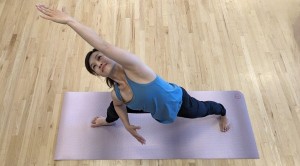
A yoga teacher assists in Prasarita Padottanasana C, a wide-legged stretch that puts significant oppositional force on the yoga mat. On a slippery mat, it is easy to slide splits-wise but you can trust your feet not to budge on Lululemon The Mat as you exhale and fold.
Credit: Kate Pitts
The Mat is also reversible. The polyurethane top layer absorbs moisture to help offer traction during sweaty practices like hot yoga. The natural rubber base provides a textured grip for more challenging moves. You can experiment with the grip that feels comfortable when you activate your hands and feet to ground into the surface.
The Mat from Lululemon is reversible, with a sticky yet smooth top and a textured underside.
Credit: Kate Pitts
The Liforme Original may look as smooth as a glass castle, but it sticks like a gecko on a window. The alignment lines are engraved on the surface and have a slight texture, so you can feel them under your hands without looking at them. This is an excellent sticky mat for beginners to study posture integrity and proprioception.
Grip like a gecko on the luxuriously smooth top of the Liforme. Your hands and feet won't slide out even when you apply oppositional force to balance.
Credit: Kate Pitts
If you love the sticky mat style, the Iuga Eco Friendly is another favorite for sweaty yogis. Its uniquely soft surface is still non-slip but comfortable for sliding transitions. It is lighter, so the only downside is that it can wrinkle slightly in the middle if you are heavy on your feet.
Even when wet, the Iuga Eco Friendly stays grippy.
Credit: Kate Pitts
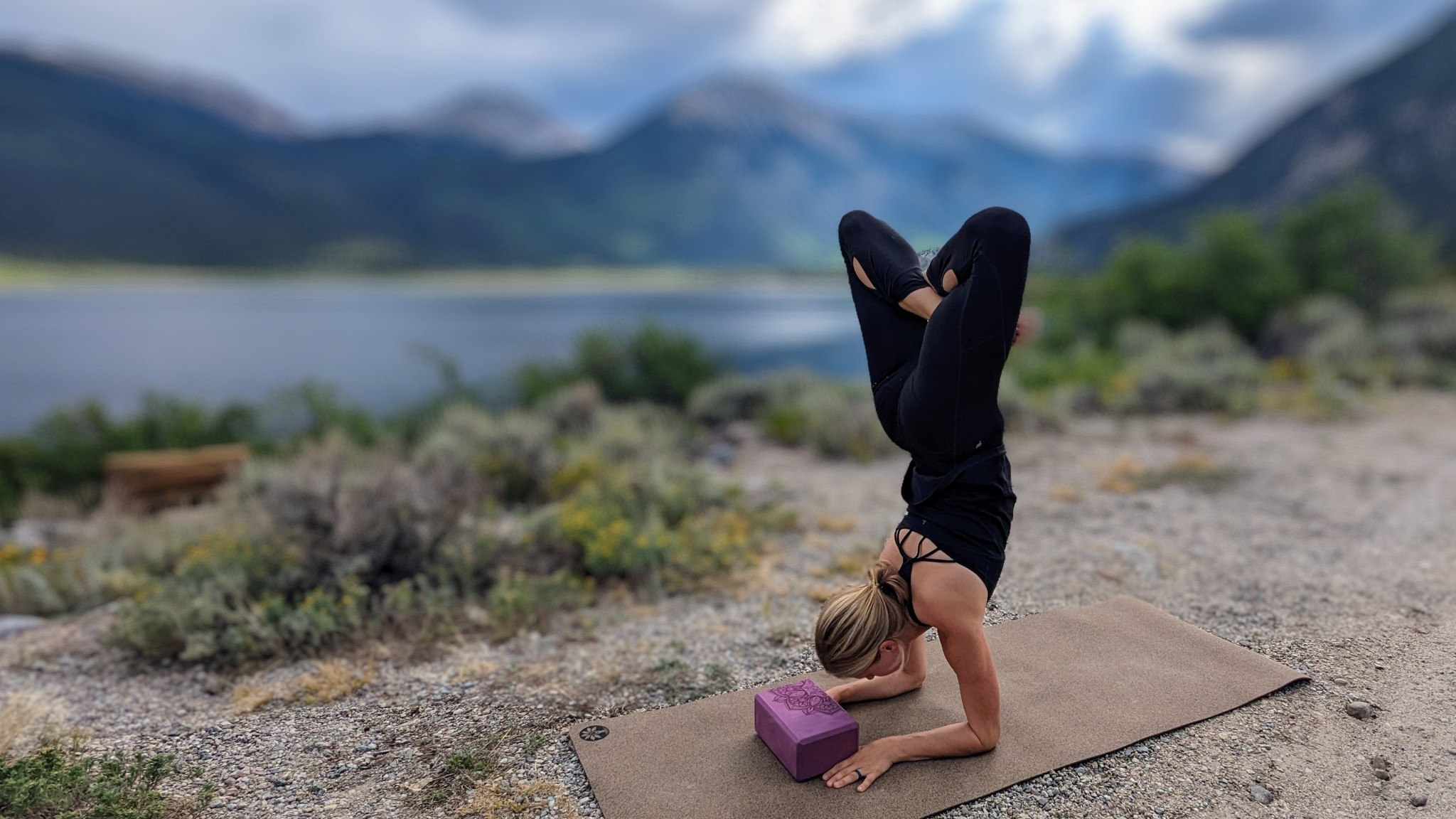
The Manduka PRO has a textured surface that our fingers love for handstands and inversions. It offers an excellent balance of stick and glide that is a good fit for dynamic flows or Ashtanga. It does become more slippery when wet, so there may be better choices for hot yoga. The PRO is also dense, and the circle tread on the bottom of the mat suctions the floor. This mat doesn't fold when you roll over the toes or budge when you jump, rock, or roll. We tested how easily mats slid across different surfaces, and the PRO was one of the most unmovable foundations. The Alo Warrior Mat, Jade Harmony, Lululemon The Mat, and Manduka eKO also have notable grip strength on the floor.
Testing the grip both regarding our feet and the floor beneath with the Manduka PRO.
Credit: Kate Pitts
A few yoga mats work better when wet. The Yoloha Unity optimizes traction when at least a little moisture is present. This mat is very slippery when dry, so we recommend spritzing it with water to kick off traction at the beginning of your practice. Water doesn't absorb into the mat's surface, so it is good to have a towel handy if sweat starts to pool. The bottom of the mat has a tread that grips most of the time but can slide a little on smoother surfaces like hardwood.
The extra-firm material of the Yoloha Unity gives one of the most stable bases for outside practice.
Credit: Kate Pitts
The Manduka eKO SuperLite and Jade Voyager are super-grippy travel mats but thinner than a cardboard box. Used by themselves, this style of paper-thin travel mat tends to wrinkle up on smoother floors and does not cushion your bones. Some people creatively use them as yoga mat toppers instead of a towel when they visit studios while traveling for a hygienic approach to grip.
The Manduka Eko Superlight offers excellent grip, and some students enjoy it as a mat topper when they travel.
Credit: Kate Pitts
Materials
We aim to find durable yoga mats. Many companies market “green credibility” by claiming they use toxic-free manufacturing/materials and zero-waste factories. While we appreciate companies that prioritize sustainability, the greenest option is often to choose “Reduce” before “Reuse” and “Recycle.” High-performing mats that can last through years of practice scored higher than recyclable materials that fall apart in six months.
Our team of testers practiced at least a dozen times on each yoga mat, taking note of any signs of wear. We conducted extensive market research to see how mats have held up for various users. When considering our award winners, we consulted over fifteen yoga teachers on their insights into how their yoga mats have held up over the years.
Even after extensive testing, the Manduka Pro looks and feels as good as new. How many sun salutations will it take to wear out this mat? We don't have the energy for that test.
Credit: Kate Pitts
The Manduka PRO is a dense and durable mat. The closed-cell construction prevents moisture, sweat, and dirt from absorbing into it. The PRO is constructed from PVC that has been certified Standard 100 by Oeko-Tex. PVC is notoriously immune to tears, so this mat endures. We talked with several teachers still practicing on a PRO they have used for 5-20 years, and all of them told us their mat still looks in mint condition.
One teacher at a yoga teacher workshop said this mat was nearing its 20th birthday. The Manduka Pro ages gracefully - this mat still looks in top shape!
Credit: Kate Pitts
As for the rubber mats, they break down more quickly than PVC. A classic wear pattern on rubber mats is track lines where the hands and feet rub parallel rails into the surface. The Manduka eKO doesn't come with a Lifetime guaranteed warranty that the company offers with the ultra-durable PRO. This was intentional on the company's part because they made the eKO out of biodegradable natural tree rubber. We talked with several practitioners who used this for vigorous, daily Ashtanga practices for 3-6 years before retiring the mat.
The Manduka Eko gives excellent dry grip so your hands, feet, and yoga props don't slide on the mat.
Credit: Kate Pitts
The Yoloha Unity Cork showed little signs of breaking down or wear after our testing period. A yoga teacher mentioned that if you protect the mat from exposure to heat and roll it cork side out, it could last over five years before it starts wearing thin.
The rubber and cork conglomerate is incredibly durable. Keep the Yoloha Unity in good shape by rolling it cork side out and keeping it out of extreme heat.
Credit: Kate Pitts
The Liforme Original is resilient to travel with—we checked it through security and stored it in an overhead airplane bin, and it is hard to dent or crinkle this mat. Lululemon's The Mat has a relatively long lifespan for a rubber mat. We talked with practitioners who had sustained 5-6 years of regular practice on it with only moderate wear and grip loss in the feet and hand “hot spots.”
If you do yoga outdoors, dirt can easily mix with your sweat and be absorbed into the mat material, creating lasting stains. A darker color is a good choice if you prefer absorbent open-cell mats.
We tested the Liforme traveling, and it can take a beating on flights or road trips without creasing the mat.
Think about where you like to practice and how often before deciding. That said, if you take care of your mat, it's likely to take care of you for a good long time.
Also of note is the Iuga Eco Friendly, which we found easy to carry. It didn't get banged up in airport overhead bins and is in top condition after many outdoor practices. Because of the unique mesh design of the material, it is less than half the weight of any other rubber mat we tested.
Even though it's slightly longer than most mats, it is one of the lightest in our lineup, making it a top choice for travel.
Credit: Kate Pitts
Ease of Use
For this metric, we considered how easy each mat was to clean and care for and also how portable it is. How easily does the mat attract dirt or pet hair? Stain? Does it hold odors? How often does it need to be cleaned? Does it need to be deep cleaned? How easily does the mat roll up and store? Mats that simply need to be wiped down by a cleaning solution are typically rated higher. Mats with break-in periods, detailed care instructions, or a tendency to attract dirt/hair stains are rated lower. We then considered portability first in terms of simple weight and then the experience of schlepping each mat on our shoulders across town. We considered which mats are more suitable for home use and which are friendly for carrying between classes or traveling.
Yoga Mats typically fall into one of two categories that impact how they are cleaned: closed-cell or open-cell material. Closed cell mats repel moisture, and water pools at the mat's surface. Closed-cell yoga mats are usually slicker unless the mat has a technical sticky surface or traction pattern. Since they don't absorb moisture, they are easier to clean and keep fresh.
Sweat and body fluids stay on the surface of closed cell mats and are easy to wipe off.
Sweat absorbs into closed-cell mats like Lululemon The Mat.
Closed-cell mats keep fluids on the surface, while open-cell mats absorb it.
Deeply absorbent mats can help with sweat management by allowing the surface to stay dry longer, especially if paired with a well-frictioned surface material. The downside is that all that sweat and moisture drains through to the base of the mat and is hard to clean. Unless you deep clean them, these mats can be unhygienic if they accumulate bacteria, germs, and stinky odors. One innovative design that bypasses this common issue with open-cell mats is the Liforme Original. An absorbent top layer soaks up sweat, and a waterproof middle layer acts as a moisture barrier that both helps wick sweat away and keeps the deeper layers of the mat from being saturated with body fluids. The Liforme has the absorbent grip of an open-cell mat but doesn't need the deep cleans. This makes it one of the easiest mats to clean and low maintenance when you travel.
Sweat absorbs and wicks on the top layer of the Liforme, but a waterproof barrier keeps the deep part of the mat from saturating with body fluids. This genius design keeps this mat fresh and practical for a wipe-and-go after class.
Credit: Kate Pitts
When it comes to cleaning a yoga mat, there are two levels of care involved: regular surface cleaning and occasional deep cleaning. For surface cleaning, most manufacturers recommend wiping it down with only water or a cleaning spray after each class to remove residual sweat and oils. This helps prevent sweat from building up inside your mat and making it stinky. The Manduka PRO is a classic example of a closed cell mat that simply needs a gentle spray and surface wipe after yoga. If the mat gets dirtier than usual, use a little more spray to lightly cover the surface and let it sit for a few minutes before you wipe it and let it air dry completely. Another closed cell mat, Hugger Mugger Earth Elements, is also an easy wipe-down even after yoga outdoors.
Sweat and grime don't absorb into the deeper layers of the Manduka PRO, and it is easy to wipe the surface after each class.
Credit: Kate Pitts
Deep cleaning involves rinsing your mat in the shower, soaking it in a bathtub like scuba gear, or hosing it off in the backyard. It is important to let mats completely air dry before storing them. There is no quick and easy way to do a deep clean. If that feels like a herculean effort, then you'll want to consider a PVC or cork mat that is low maintenance. The Yoloha Unity is antimicrobial; it simply needs to be sprayed, wiped down, and air dried.
While cork is porous, we didn't have issues with the Unity getting funky so long as we took proper care of it.
Credit: Kate Pitts
The Yoga Design Lab Combo is a unique towel and mat combo that can go directly into the washing machine after use and then be hung to dry. There is no scrubbing or hosing involved, and it comes out smelling fresh each time. However, we thought that the dry and wet grip of the towel was slicker than we had hoped for a mat designed for hot yoga.
Towel and mat combined, wash out the sweat from the Yoga Design Lab Combo by throwing it in the wash.
Credit: Kate Pitts
If you use public transportation, walk, or bike with your mat to a studio, then you may be looking for a mat that is easy to transport. Portability is also an important metric for nomadic yogis. For most situations, we recommend mats that are lightweight without sacrificing too much comfort, grip, and stability. The models we tested range in weight from under two pounds to almost eight pounds. Carting a heavy eight-pound mat from your car to the yoga room is not too big of a deal, but your shoulders may start complaining if you're carrying for long distances.
The most compact models in our suite are the Manduka eKO SuperLite and Jade Voyager, but they are thinner than a piece of cardboard and don't offer comfort and support. Some practitioners have used them as mat toppers when they travel. The Primasole Foldable weighs less than two pounds and is easy to slip in a tote for yoga at the park, throw in your suitcase, or take on a day hike.
The Primasole is easy to fold, store, and transport to your favorite places to do yoga.
Credit: Kate Pitts
We love that the Iuga Eco Friendly weigh just over two pounds and comes with an adjustable carry strap. It is also easy to wipe down with a cloth and mild detergent, although it has a long wet drying time.
Even after yoga outside, the Iuga Eco Friendly was a simple wipe down.
Credit: Kate Pitts
Also of note is the Gaiam Premium 6mm, which is an affordable option for beginner yogis that is easy to wipe down when dirty and fairly portable, weighing just over three pounds.
The Gaiam Premium 6 mm is a great mat for people that want to try yoga because it has decent cushion, is lightweight, and is easy to clean.
Credit: Kate Pitts
The Hugger Mugger Earth Elements is ultralight for a yoga mat and weighs less than two and a half pounds. Our testers didn't mind taking it on long day hikes for a grounding movement practice in nature.
The Earth Elements offers a lovely balance between plush cushion and textured grip while being lightweight.
Credit: Wayne Hartlerode
Conclusion
Whether you are just starting your yoga journey or have been on the mat for years, the right yoga mat can support the comfort, balance, alignment, and grounding of your body. We hope our review has helped provide insights for you to make a confident decision about a yoga mat that is the best support for you. May your practice on the mat be reflected in more moments of ease, peace, and kindness throughout the rest of your day.