We buy all the products we test — no freebies from companies. If you purchase through our links, we may earn a commission, which helps support our testing.
We've logged many miles in the best women's trail running shoes from Salomon, Hoka, Altra, Saucony, Brooks, and more to help you find your perfect match
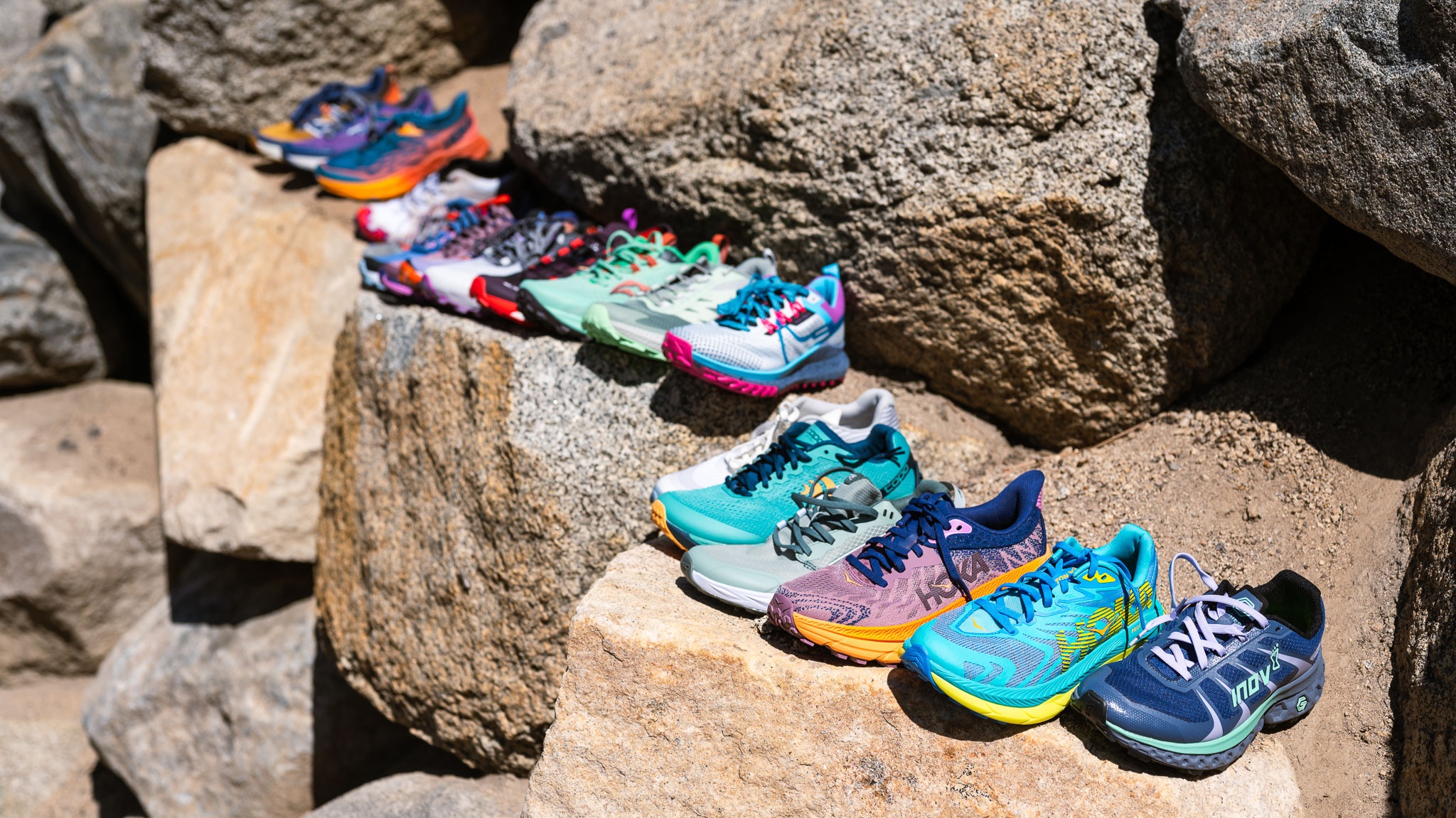
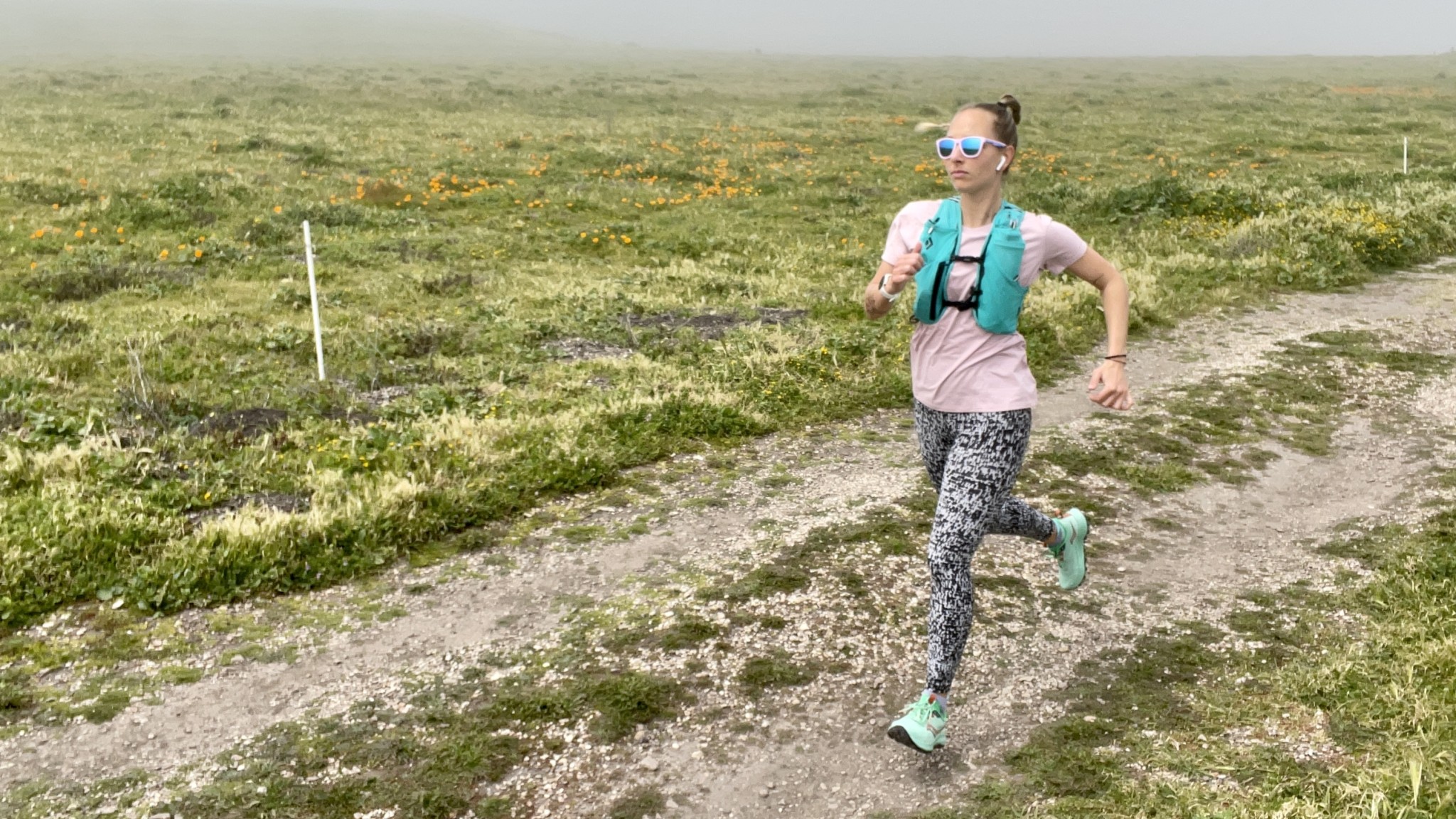
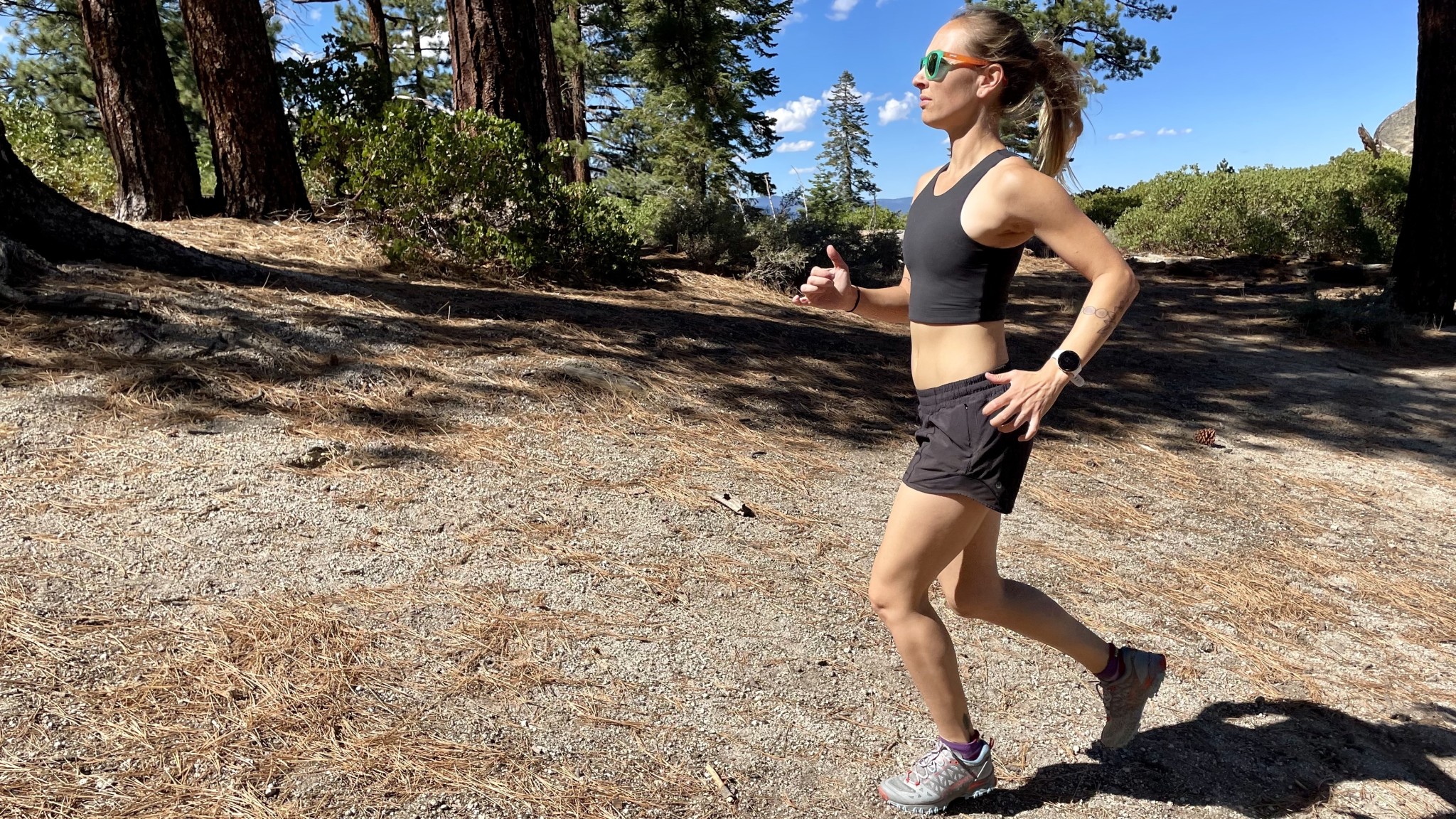
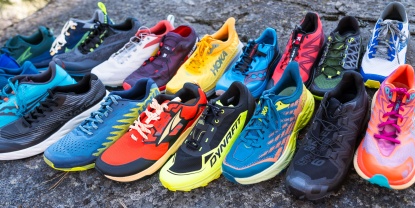
Our running enthusiasts have reviewed 127 of the best trail running shoes for women in the last 11 years, with 20 of the most popular options on the market in this current review. We log at least 60 miles in each pair, running day in and day out to bring you the most reliable information possible. From ultra-distance marathons to fast-packing adventures, we've embarked upon all manner of running adventures over the years to test these shoes head-to-head. We also weigh, compare, and mull over each detail — no matter how tiny — to provide you with solid recommendations you can trust.
Trail shoes are made specifically for rough and rugged terrain. To keep you prepared for these conditions, it is also wise to have a pair of top-rated running socks, a comfortable pair of the best women's running shorts, and a breezy top. If you plan to explore sandy or snowy trails, a pair of top-rated gaiters may also be a good accessory to have. If you're not sure that you need a trail-specific shoe, there are other shoe styles to consider before making a final decision. For all other gadgets and accessories, check out our favorite running gear to get you out on the trail.
Editor's Note: This review was updated on April 30, 2024, to add reviews for new offerings from La Sportiva and Salomon and updated favorites from Altra and Brooks, as well as a ton of new measurements and specs from our in-house testing team.
Comfortable, great traction, affordable, durable, packs out to fit your foot shape
Great weight distribution, stable architecture, breathable upper, well-tractioned
Comfortable, capable, strong midfoot lock
Amazing traction, very protective, durable outsole, specific fit
Ultra lightweight, spacious toe box, secure-fitting midfoot, incredibly sensitive
Cons
Might be too cushioned for some runners, slightly less sensitive
Lace pocket is difficult to use, tight collar can bite into the ankle, pricy
Less rugged traction, zero-drop shoes aren't for everyone
High heel feels less stable, narrow fit won't suit everyone, lugs wear down on pavement
Pricy, less protective, less equipped for long distances
Bottom Line
A great all-around trail shoe that hosts some of our favorite protective features, all for a relatively affordable price
A great trail shoe that offers a streamlined fit with a grippy, confidence-inspiring outsole built to tackle the most technical terrain
With its updated upper and stable zero-drop design, this shoe maintains its reputation as a reliable and comfortable trail running shoe, making it a top choice for comfort on long runs
With an aggressive outsole and exceptional protective features, this trail running shoe is a great choice for the sloppiest terrain
For middle-distance trail runs, this featherweight shoe is ready to take on technical terrain with its great traction, supreme sensitivity, and adequate protection
Weight (per shoe): 7.52 oz | Measured Heel-to-Toe Drop: 5 mm
REASONS TO BUY
Incredibly comfortable
Great traction
Stable
Affordable
Durable
Great for all distances
REASONS TO AVOID
A bit less sensitivity
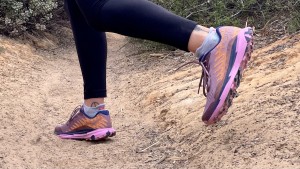
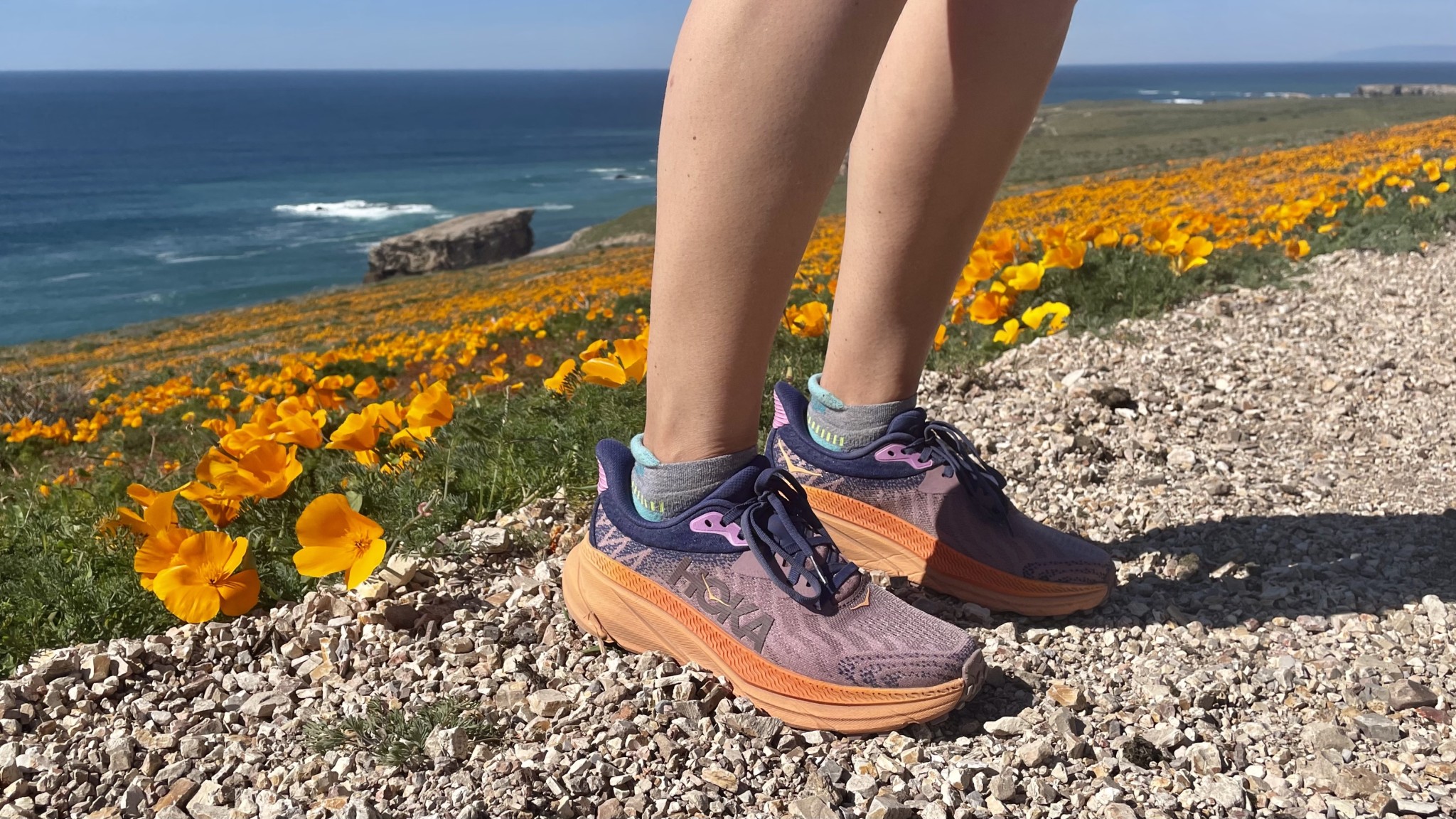
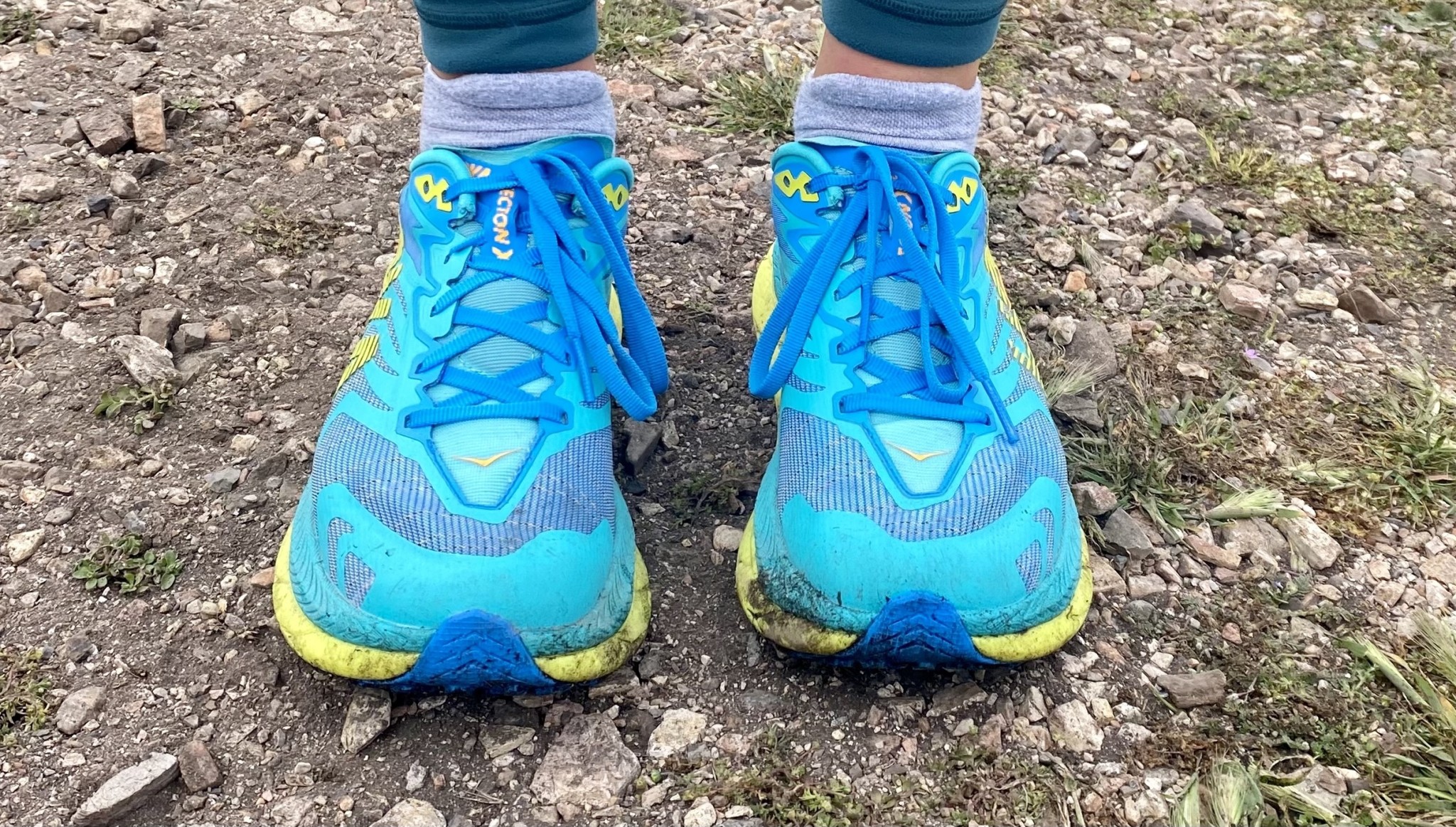
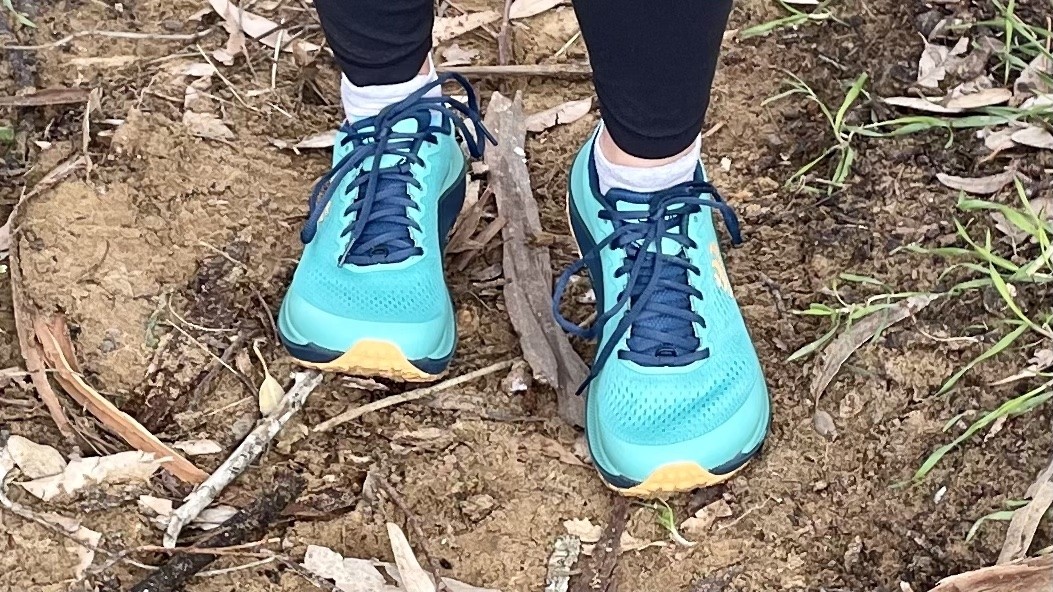
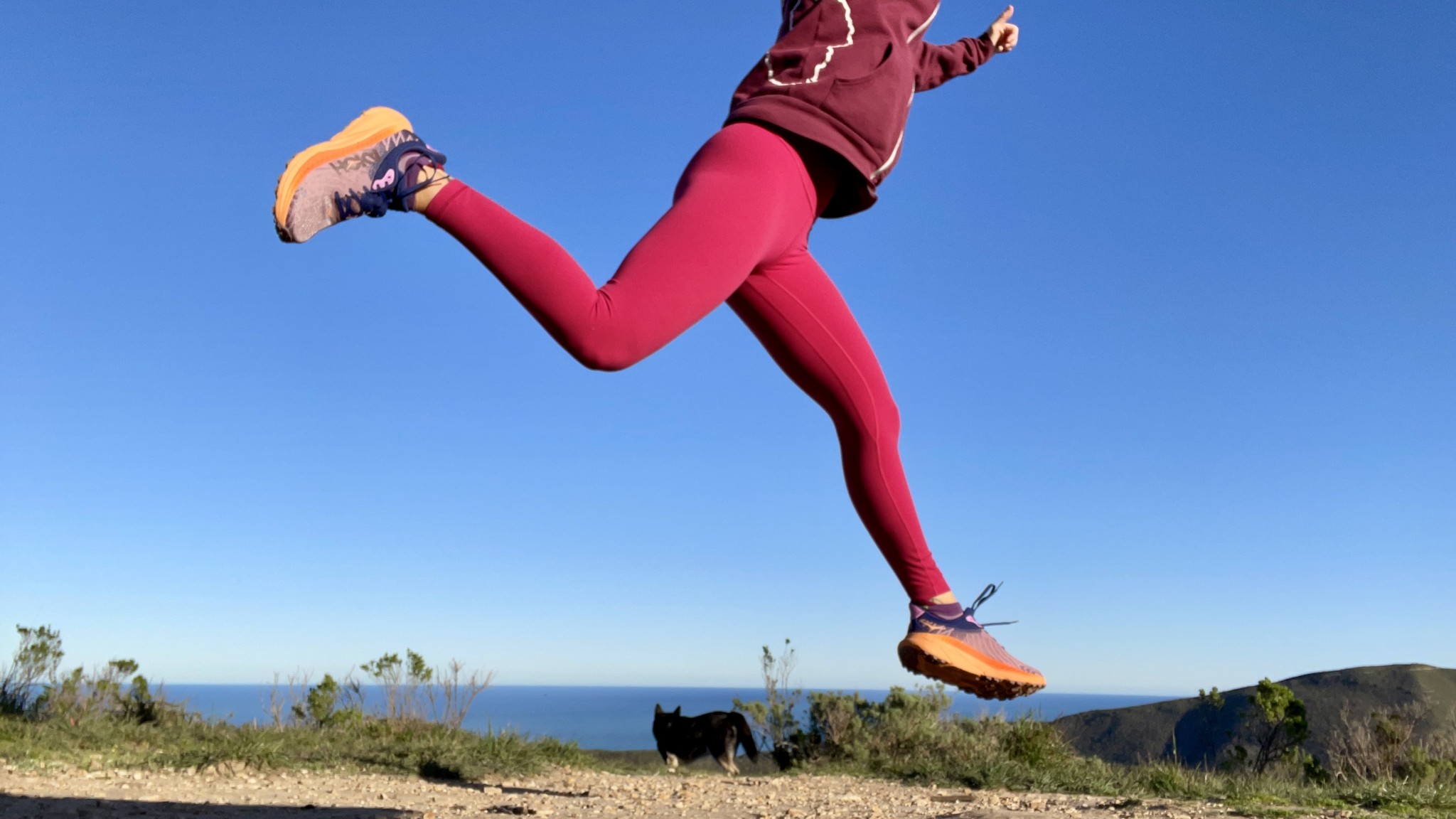
The Hoka Torrent 3 is a favorite for its wear-all-day comfort. In fact, this is the shoe we recommend to all long-distance runners because of its almost universal comfort. Loaded with a responsive and cushioned midsole, we ran 20+ mile distances (sometimes all at once) with ease. The traction is superior with sticky rubber and multidirectional lugs, built to bite down on any surface. It transitions nicely from the trail to the road, and the lugs stay strong and beefy even when worn on abrasive surfaces. The Torrent is an excellent choice if you're looking for a versatile shoe that'll carry you through distances of all lengths.
Hoka is known for making comfortable shoes, but the toe box of the Torrent 3 is a bit narrow right out of the box. However, with a bit of wear, these trail shoes pack out for an ultra-customized fit. If you want a shoe with a wide toe box from the jump, there are better options, but if you want a bit more impact absorption and comfort for miles on end, this model comes with our highest universal recommendations.
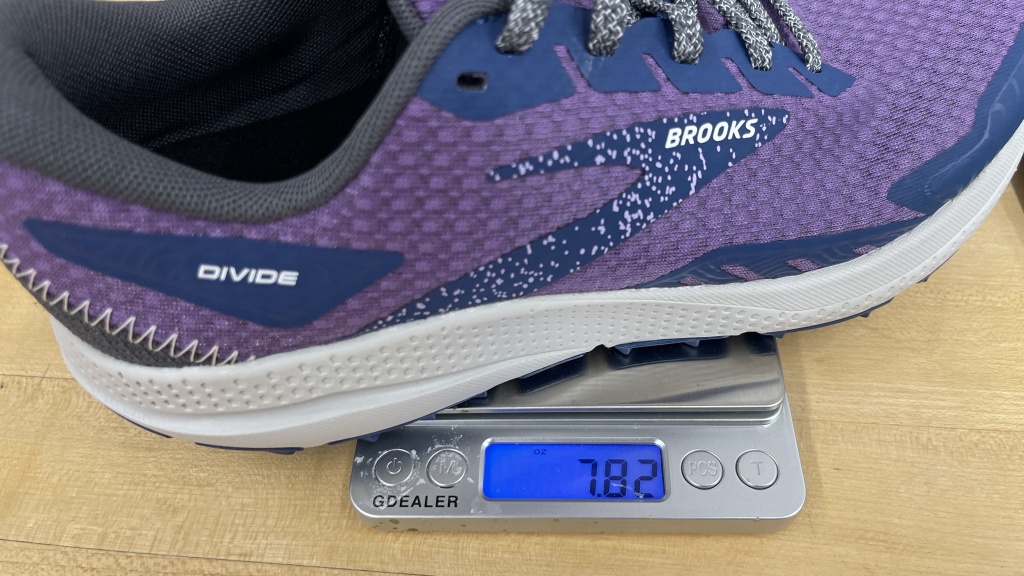
Weight (per shoe): 7.82 oz | Measured Heel-to-Toe Drop: 7 mm
REASONS TO BUY
Affordable
Fits like a traditional running shoe
Good crossover performance
Great for beginners
REASONS TO AVOID
Doesn't offer much protection
Less sensitive
The Brooks Divide 4 is our go-to recommendation for new runners and runners looking to break into the trail scene. Not only is it available for a lower price than many of its competitors, it feels like a shoe most runners will be comfortable in. Its familiar fit provides both comfort and trail-ready protection where they are needed. With firm cushioning and mild arch support, the Divide also beautifully crosses over onto paved surfaces. This shoe delivers a little bit of everything trail runners want in their primary trail companion, all for an incredibly fair price.
Some runners might be looking for a bit more protection and sensitivity than the Divide 4 offers. It is made for light trails, and while those boundaries can be pushed slightly, the protective elements are not as robust as shoes built for more rugged terrain. And if you value sensitivity, the Divide might not be your best bet. It does provide some underfoot information, but its rock plate inhibits a great deal of ground feel. However, if you're newer to trail running, the balance of features this shoe provides is excellent, all without breaking the bank.
Weight (per shoe): 8.05 oz | Measured Heel-to-Toe Drop: 7 mm
REASONS TO BUY
Excellent protection and traction
Fit molds to the foot
Stable and sensitive
Durable
Fast-drying and breathable
REASONS TO AVOID
Collar is tight
Expensive
Lace pocket is ineffective
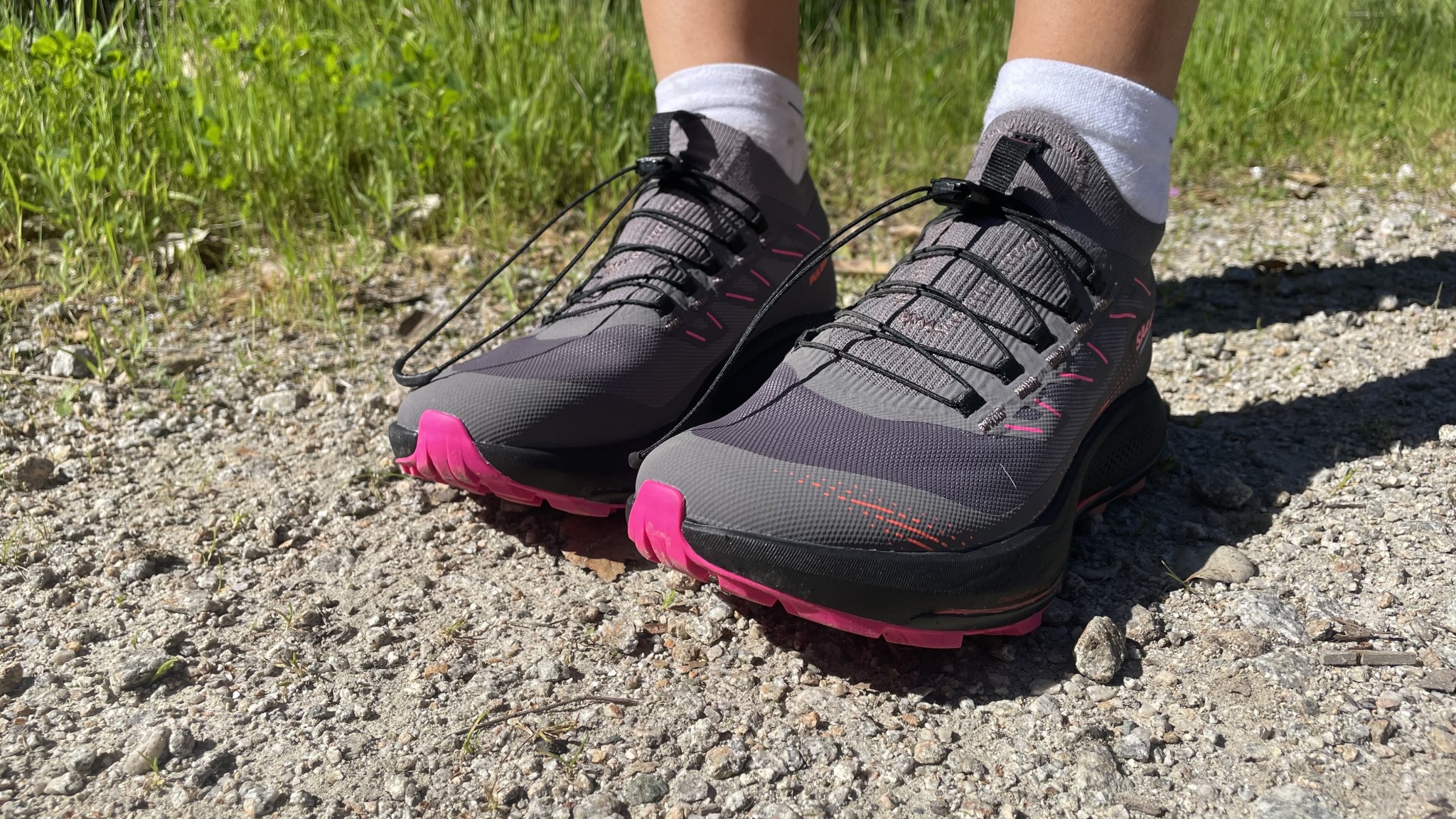
The Salomon S/Lab Ultra 3 is a shoe that stands out for ultra-distance fanatics. With just enough cushion, incredible sensitivity, and what ultimately feels like a customizable fit, the S/Lab is one of our most recommended shoes. The strong mesh upper is flexible enough to allow your toes to flex and engage as you run, while the standard trail shoe differential provides great stability. The snug fit of the midfoot and collar makes it feel like an extension of your body on the trails, a coveted feature as the distance adds up. The S/Lab dries quickly after being soaked and allows enough airflow to be a strong contender for hot desert runs.
The S/Lab Ultra 3 is on the expensive side, which is something you'll have to consider as you shop. It is a bit tougher to get on than a traditionally-shaped running shoe since the sockliner collar is meant to fit snugly. The one-pull lace system is a polarizing feature that some runners love and others hate. The mechanism can get gunked up if you run muddy or wet trails, and the lace pocket for the excess laces is virtually ineffective. But if you want a trail shoe that will feel like part of your body as you run, this protective, sensitive, and flexible superstar is a fantastic shoe to consider. It has been a GearLab award winner and favorite for many, many years.
This is a unisex shoe and has also been reviewed in our best men's trail running shoe review if you want to read a second perspective. Our reviews are comparative (i.e., scores are based on how each shoe compares to everything else in the lineup), so some models don't always score the same between our male and female reviewers. However, in the case of the Ultra 3, the good feelings and high scores are mutual.
The updated S/Lab is our go-to recommendation for trail runners who want to tackle technical, varied terrain.
Weight (per shoe): 8.14 oz | Measured Heel-to-Toe Drop: 0 mm
REASONS TO BUY
Ultra comfortable
Fantastically stable
Reconfigured upper for added comfort
REASONS TO AVOID
Zero-drop isn't for everyone
On the heavier side
The Altra Lone Peak 8 continues to shine as a perfect choice among ultra-distance runners and hikers, and it's not hard to see why. Boasting 23mm of cushioning across the entire midsole and a .22-inch tongue, along with an expansive toe box, this shoe facilitates a natural splay of the forefoot. This spacious toe box is particularly beneficial for enhancing foot and toe muscle development, potentially aiding in the resolution of foot and toe-related issues in some runners. With its 1mm in-house measured drop, this shoe is ideally suited for individuals who run forefoot first, as opposed to heel striking. We highly recommend the Lone Peak 8 for runners and hikers seeking a plush, comfortable, and long-lasting trail companion with a zero-drop design.
Adapting to the zero-drop design of the Lone Peak requires a bit of adjustment period since most traditional shoes are designed with a slight heel lift. Without additional cushioning in the heel to elevate it, your body's rear chain of muscles will need to exert more effort, potentially leading to strain on the Achilles tendon, calves, and soles of your feet. With consistent training and gradual acclimatization, this discomfort can diminish over time. If you're new to zero-drop footwear, it's advisable not to expect immediate long-distance running capabilities with this shoe. Nevertheless, for individuals in search of a cushioned, well-protected, and generously spacious trail running shoe that allows for toe splaying, the Lone Peak fits the bill perfectly.
Weight (per shoe): 6.61 oz | Measured Heel-to-Toe Drop: 8 mm
REASONS TO BUY
Incredibly light
Well-tractioned
Extremely sensitive
Comfortable and durable upper
Responsive
REASONS TO AVOID
Less protective
Expensive
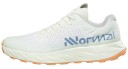
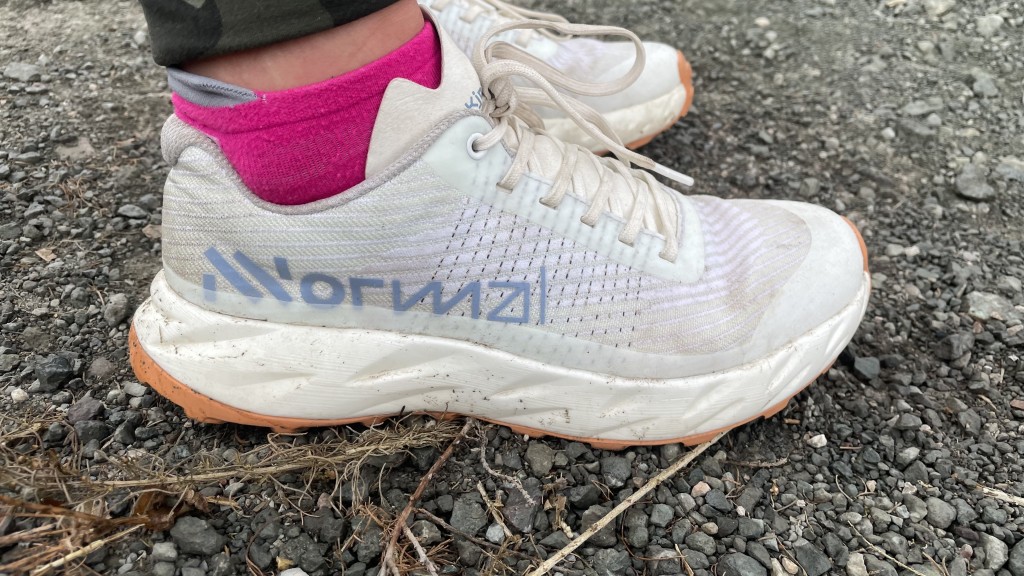
The Nnormal Kjerag is unlike the rest of the shoes in our roundup. It is otherworldly in how little it weighs, yet it provides strong traction and more protection than your typical road shoe. The Kjerag is exceptionally sensitive due to its lack of insole, providing the most intimate trail experience we've felt thus far. Its bootie-style tongue ensures a precise fit, and its Kevlar-coated upper is ready to take a beating.
All of the fantastic features of the Kjerag make it an understandably pricy shoe. And even though it offers some protection, there are more rugged options out there that will serve you better on tough, rocky trails. Often, protection and weight go hand-in-hand, so determining your priorities and the type of trail running you want to tackle will help you decide if this ultralight shoe is right for you.
The upper of the Kjerag is unique among the many, many trail shoes we have tested. It is stable without structure, which is nothing short of impressive.
Weight (per shoe): 8.54 oz | Measured Heel-to-Toe Drop: 13 mm
REASONS TO BUY
Excellent traction on soft surfaces
Specific fit
Fantastic durability
Very protective
REASONS TO AVOID
Lugs wear on pavement
Heel stack makes it slightly less stable
Unique shape won't fit all feet
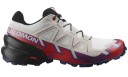
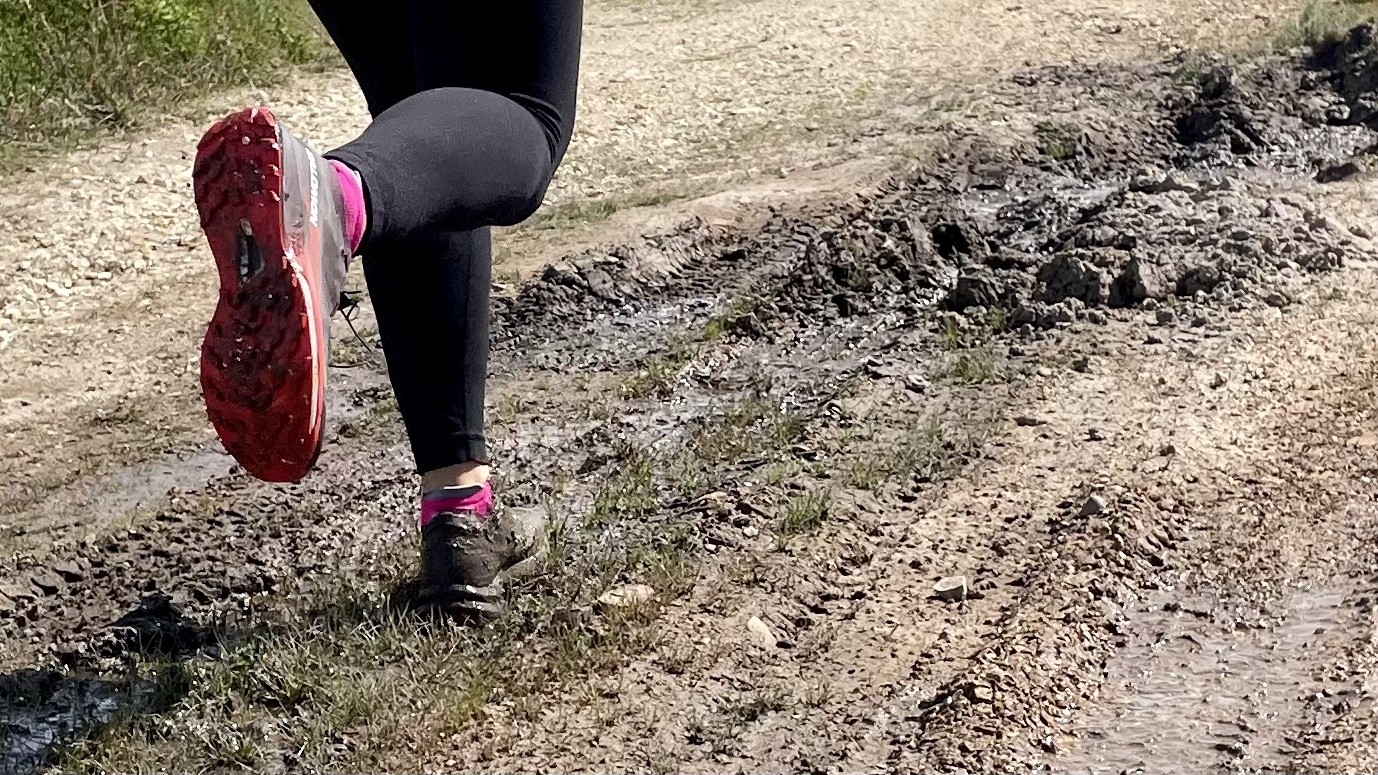
The Salomon Speedcross 6 stands out for its crampon-inspired grip that easily tackles muddy, messy trails. The 6mm chevron-shaped lugs are well-spaced and shed mud effectively, keeping you going even when the rain pours. This shoe offers cushion and a sensitive forefoot so you can feel the trail while retaining just the right amount of needed protection. The heel is extra cushioned, which makes it a great match for heel strikers. We appreciate the specific fit and updated upper that hugs the foot, so you won't likely experience toe bumps when charging on the downhills. The same fit profile helps stabilize you as you take on sloppy trails. The Speedcross is durable, so expect a long lifecycle with this contender.
There are only a few notable caveats regarding the Speedcross 6. It is not the ideal crossover shoe as the soft rubber that sticks well when scrambling over rocks will wear down quickly on a classic road run. Some of our testers also felt that the steeper sidewall and elevated heel made for a less stable ride on super tricky terrain. The heel height, which we measured at 34mm, and the narrow architecture prevent this from being a shoe that all uniquely-shaped runners will love. But if you seek something that'll do well on technical, steep, and sloppy terrain, this is the one to buy.
The Speedcross is one of the most ruggedly equipped shoes we have tested. It also strikes a great balance between comfortable cushioning and sensitivity.
Weight (per shoe): 7.59 oz | Measured Heel-to-Toe Drop: 4 mm
REASONS TO BUY
Excellent traction
Streamlined fit
Responsive
REASONS TO AVOID
Less cushioned
Runs narrow
Lugs wear on abrasive surfaces
The Saucony Peregrine 13 is a sticky, svelte-fitting trail running shoe with above-average protection and a nearly imperceptible rock plate. The well-patterned lugs are strong and capable, and the comfortable Airmesh upper molds to the outer edges of your feet as it breaks in. The Peregrine rides more like a traditional road running shoe, with slightly less toe box space and a responsive 28mm stack. If you want a shoe that fits like your favorite road running shoe but is capable enough to tackle sketchy terrain, this is our recommendation for you.
The recent updates to the Peregrine have made it a bit more appealing to a wider array of people, but there are a few drawbacks to note. The midfoot is a bit narrow, which provides great stability but might not be comfortable for all trail runners. The Peregrine lacks the plush cushion of shoes built for longer distances, though many runners find its minimalistic cushioning to be enough. The outsole is one of the best on slick and unpredictable terrain, but we don't recommend wearing this pair of shoes on paved surfaces. The lugs show signs of wear when worn on roads, making the shoe less suitable as a crossover option. Overall, if you want strong traction, responsive bounce, and minimal cushioning, the Peregrine is a great, traditionally-shaped choice.
The Saucony Peregrine 13 is a comfortable, responsive, and breathable trail running shoe. Shown here undergoing one of our protection tests to see how well is keeps water out.
Credit: Ally Arcuri
Compare Products
Our test teams organize their lives around running. They are thrilled that their hard work can help you find the right shoes.
Credit: Ally Arcuri
Why You Should Trust Us
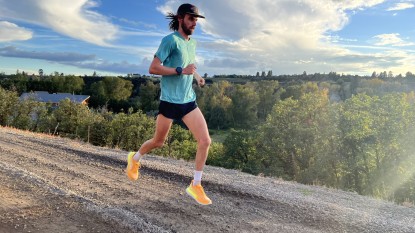
For over a decade, we have traveled all over testing women's trail running shoes, getting our hands on over 120 unique pairs. We've hiked up towering passes in Peru, run over summits in the Rocky Mountains, jogged over dry singletrack in the desert, raced across the beaches of California, and explored the most remote parts of the Pacific Northwest. Our main testing location in recent years is Montaña de Oro State Park, on the rugged coast of California, south of Big Sur. It offers sweeping vistas, scenic peaks, hundreds of miles of trail, and enough slippery scree to test an army of running shoes. Each pair of shoes in our lineup has logged at least 60 miles — some with over 1,000 miles if they last that long. Our review compiles this data to give you recommendations for your best trail sidekick — or two.
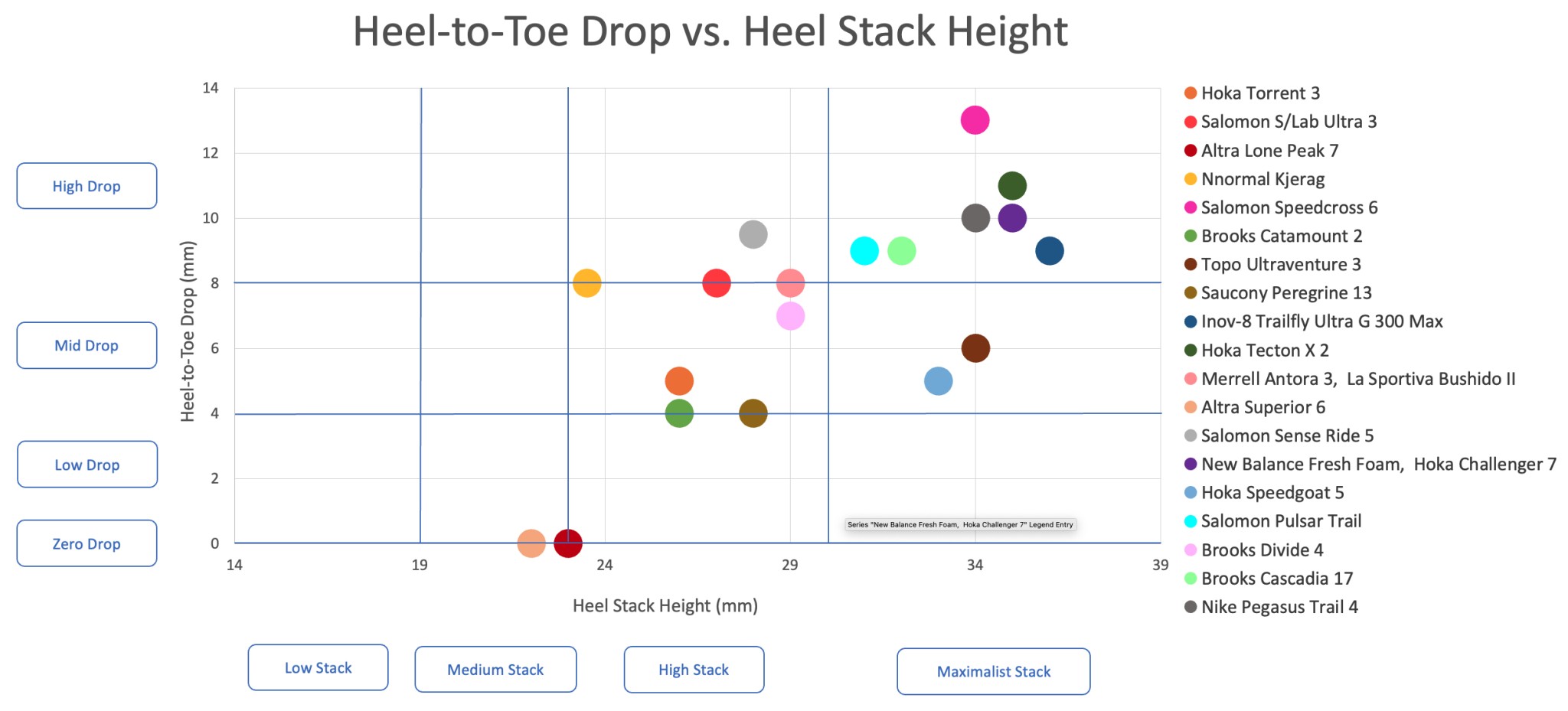
The Scoop on Our Stack Height Measurements
Stack height is a tricky measurement because there is no industry standard that companies follow. Consequently, companies can choose to measure their shoes' heel and forefoot height wherever and however they want. They might measure only the inner cushion of the shoe or neglect to include the insole or tread. They might just designate a number without actually measuring — we really don't know.
For our part, we want to utilize a standard across the board from shoe to shoe to make accurate comparisons. Therefore, we have conducted our measurements based on the requirements set by World Athletics, the international organization and governing body for running competitions. Based on their outlined requirements, we first measured the shoe's internal length without being worn. The heel is defined as 12% of the internal length, while the forefoot is 75% of the internal length. We then measure the entire height of the sole, basically anything between the foot and the ground. This includes the insole, cushion system, and tread. We take these same measurements at the same location for each and every shoe we test.
We love ripping up trails in the shoes we test, but we also take the time to assess their unique differences from a more scientific standpoint.
Credit: Abriah Wofford
Our field testing of trail running shoes is divided across six rating metrics:
Foot Protection (25% of overall score weighting)
Traction (20% weighting)
Sensitivity (15% weighting)
Stability (15% weighting)
Comfort and Fit (15% weighting)
Weight (10% weighting)
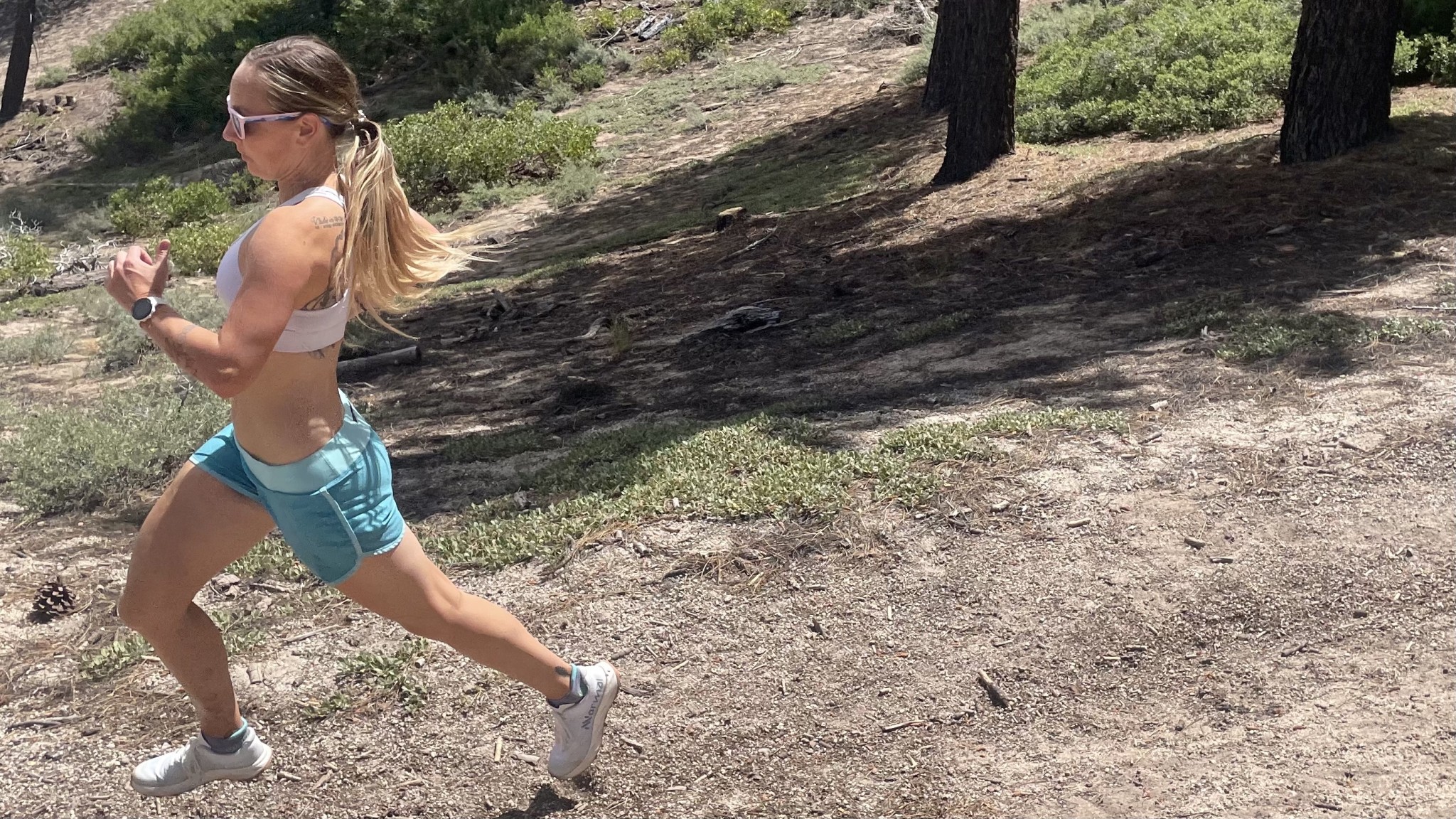
Our main tester is a trail runner, exercise specialist, and cancer survivor. Ally Arcuri has been deep in the world of running for over a decade and truly found her feet on the trails. She has taken on ultra marathons in the Rocky Mountains and is currently training for shorter, speedier trail races. Ally has a degree in kinesiology from Cal State Fullerton and utilizes her knowledge of biomechanics heavily while assessing each pair of shoes. She currently lives next door to Montaña de Oro State Park in San Luis Obispo County, California, though she attributes her love of trails to her upbringing in South Lake Tahoe.
We go to extreme lengths to determine which shoes have the potential to become your new favorite trail partner.
Credit: Natalie Kafader
Analysis and Test Results
Our trail running shoe review covers a wide range of products to reflect the best options on the market. Each shoe is subjected to the same tests to determine even tiny differences in performance with objectivity. After rating each across our metrics, we assign a comparative score to determine which has the best performance. We offer an in-depth comparison to help you find exactly what you're looking for.
Value
The value of a running shoe is relative, based on how many miles you like to lay down and the shoe's durability, versatility, and cost. If you like to run a variety of trail types, a shoe that offers exceptional versatility will be a better value for you than a more niche shoe that is suitable for only one terrain type. After all, not everyone wants to spend their hard-earned money on a highly specific trail shoe that only gets used occasionally.
Determining the value of each shoe goes deeper than simply looking at its price tag. Once you decide what kind of running you'll be doing the most of, then we can help you determine which shoe might be the best value for your needs.
Credit: Abriah Wofford
When it comes to trail running shoes specifically, a few different elements can influence their value and how durability relates to them. Some of the comfier options can pack out after a few hundred miles, while the more rigid options might retain their structure longer. Throughout testing, we have noticed that some lugs perfect for tackling technical trails covered in sand will show signs of wear after only a few miles on pavement. The shoes that we recommend from a value perspective are the ones that perform well for their relative cost.
When purchasing a trail running shoe, value is partially determined by how well it holds to up the demands you impose on it.
Credit: Ally Arcuri
The Hoka Torrent 3 is one example of a great value because of how versatile it is and because of its lower-than-average price tag. The Torrent is durable, doesn't pack out prematurely, and makes a great crossover. Because it does so well across the board, purchasing the Torrent means you won't need to buy other pairs of shoes if you want to switch up your terrain type.
For runners looking for an epic shoe value, the Torrent is a great pick.
Credit: Ally Arcuri
The Brooks Divide 4 is another trail shoe that offers a screaming value, which is why it continues to earn award status. The Divide is made explicitly for light trails but boasts strong durability and comfort, which increase its value. This is a fantastic shoe for new trail runners who don't want to invest in some of the techier shoes just yet but want a familiar-fitting shoe that will hold up to the demands of life on the trail.
The Divide offers comfort, traction, and some protection for a very reasonable price. Rookie runners rejoice! This is a great shoe to test the waters in without shelling out huge amounts of cash.
Credit: Ally Arcuri
Foot Protection
When considering the foot protection of a shoe, we systematically look at different elements and how they work together to create cohesive protection while bombing down (or up) trails. In some cases, foot protection impedes sensitivity, another one of our scoring metrics. Some of the best trail shoes on the market strike the perfect balance between protection from unexpected trail hazards and sensitivity to feel what is beneath you.
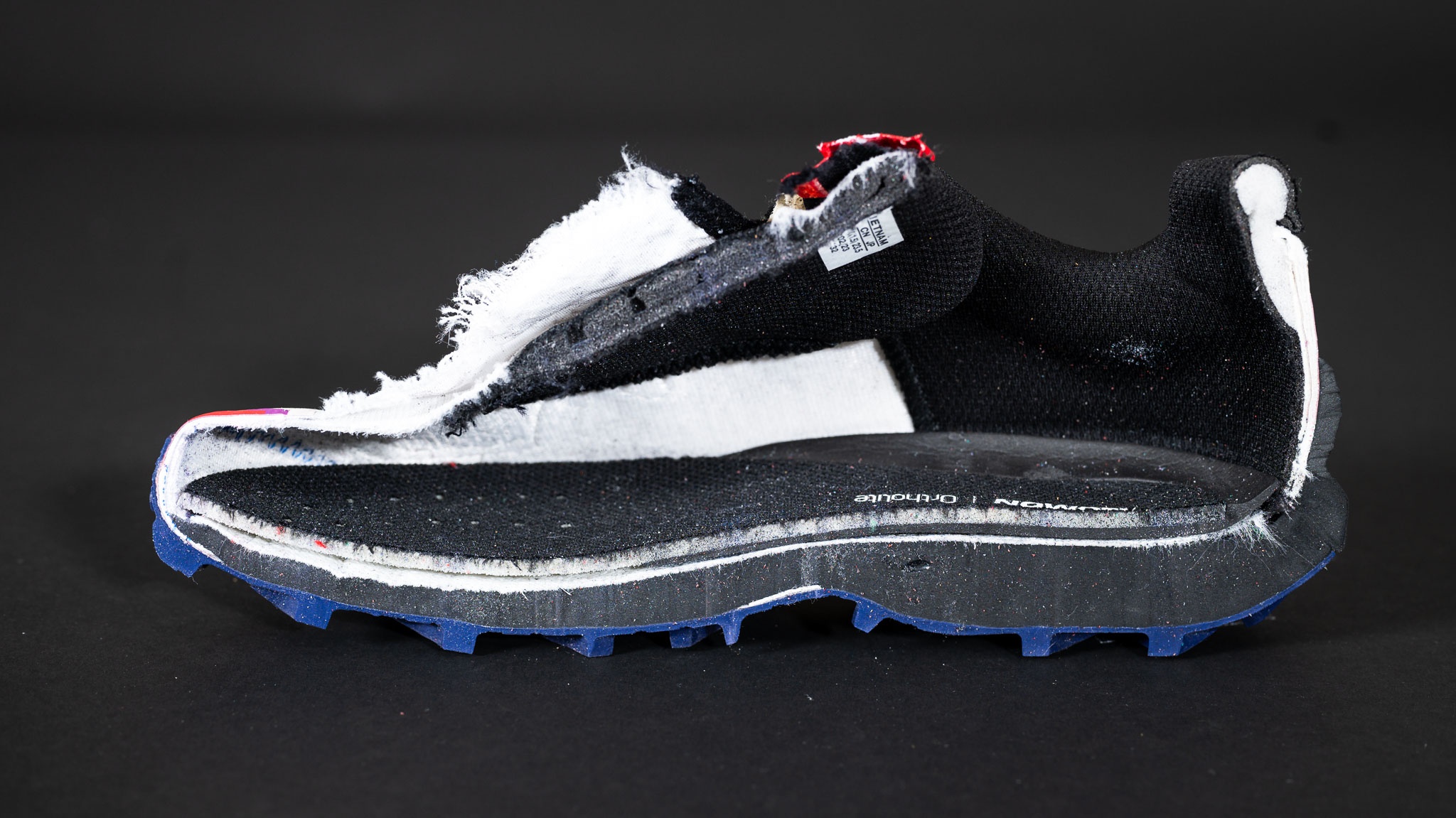
One of the first things we look for when it comes to foot protection is a rock plate. More and more of the best trail shoes are being released without them. A rock plate is a small panel within the shoe's sole that protects your feet from feeling the sharp points of rocks as you travel over them. Shoes that are released without rock plates often have a thicker underfoot cushion, or "stack," to dampen the intensity of the trail.
The underfoot stack of a shoe provides protection for your soles. Sometimes a rock plate is embedded for additional protection, other times the shoes rely on cushioning to create this effect.
Credit: Abriah Wofford
Beefy underfoot stacks can be as protective as rock plates, so shoes are measured on how well they protect the soles of our feet, not simply on the presence or absence of a rock plate. As you might imagine, the best rock plates are the ones you can't feel.
The Brooks Catamount features a dual-purpose rock plate designed to provide both protection and propulsion.
Credit: Ally Arcuri
We also assess the toe cap of each shoe for overall protectiveness. Accidentally stubbing your toe on a rogue rock can quickly sabotage the rest of your run, which is why toe bumpers exist. Some toe caps are constructed of a thin, flexible rubber coating that provides little protection. Other shoes have straight-up bumpers at the front, which can offer more than enough protection from accidental toe stubs.
The toe cap of the Jackal II is incredibly tough - an element that adds to this shoe's alpine running prowess.
Credit: Natalie Kafader
Many trail shoes are manufactured with a specific terrain type in mind. The style of toe cap is a great way to suss out what kind of environment a shoe is made for. Shoes with more rigid toe caps tend to be made for rockier, tougher terrain, while shoes with a lamination-style toe cap are more equipped for flowy, sandy trails. The Topo Ultraventure 3, for example, is made for moderate trails and has a more flexible toe cap. The Ultraventure is loaded to the gills with cushion, boasting a 28mm stack in the forefoot and a 34mm stack at the heel, which provides ample underfoot protection.
How We Measure Outsole Hardness
We use a Type A, sometimes referred to as Shore A, durometer, which measures the relative hardness of soft materials. Durometers measure along a scale with respect to a standardized piece of rubber. The scale ranges from 0 to 100, where a higher number indicates a harder outsole. We took measurements on different areas of the outsole and noted any differences in the rubber in our spec table.
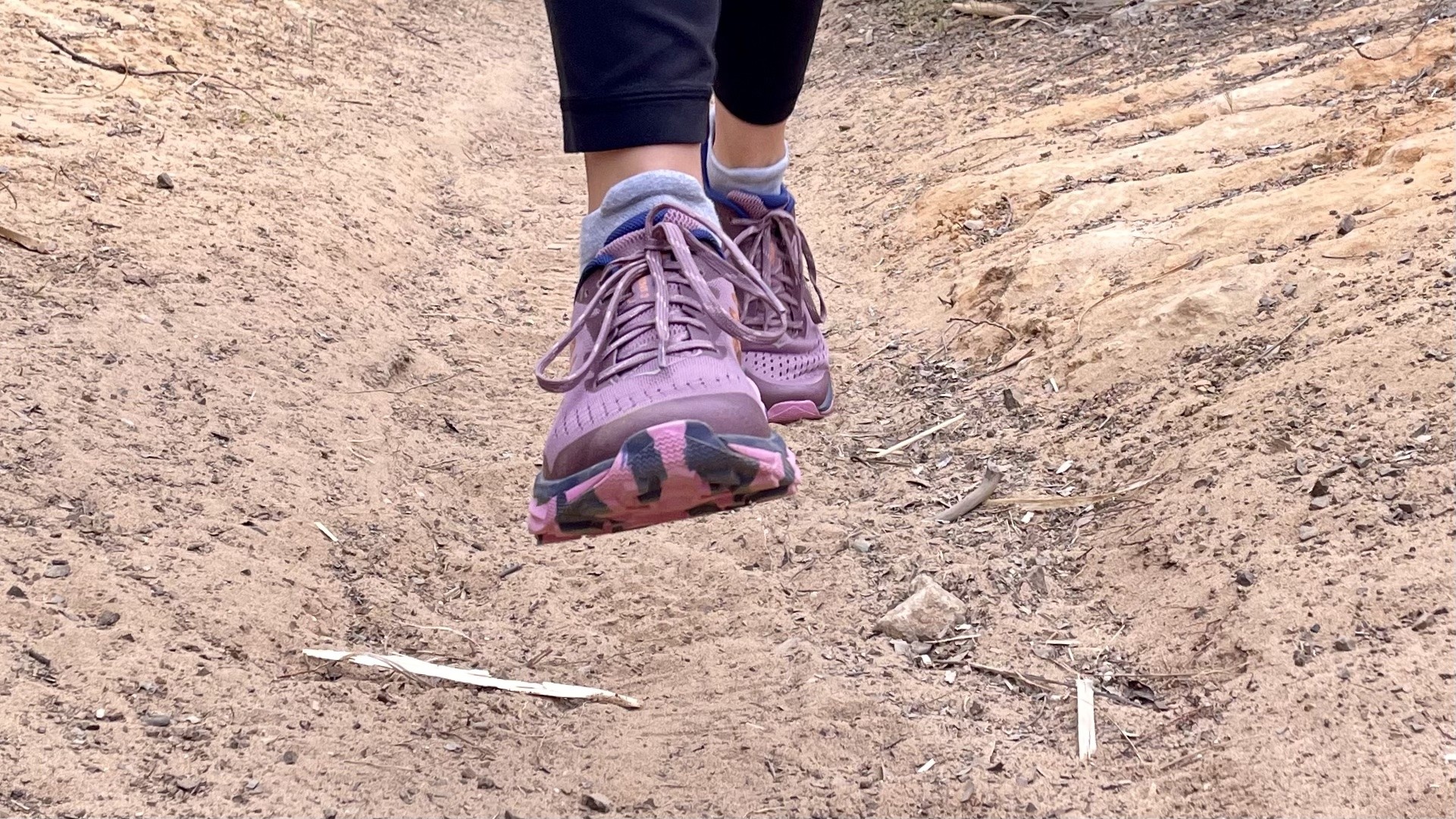
If you want a trail running shoe that prioritizes underfoot cushion for protection, we enthusiastically recommend those made by Hoka. The Torrent 3, Challenger 7, and Speedgoat 5 are divergent in the types of runners and terrain they best serve, but they all have one thing in common — highly protective underfoot stacks, none of which have rock plates.
The stack height of the Challenger allows for great underfoot protection, but in a soft, springy type of way.
Credit: Ally Arcuri
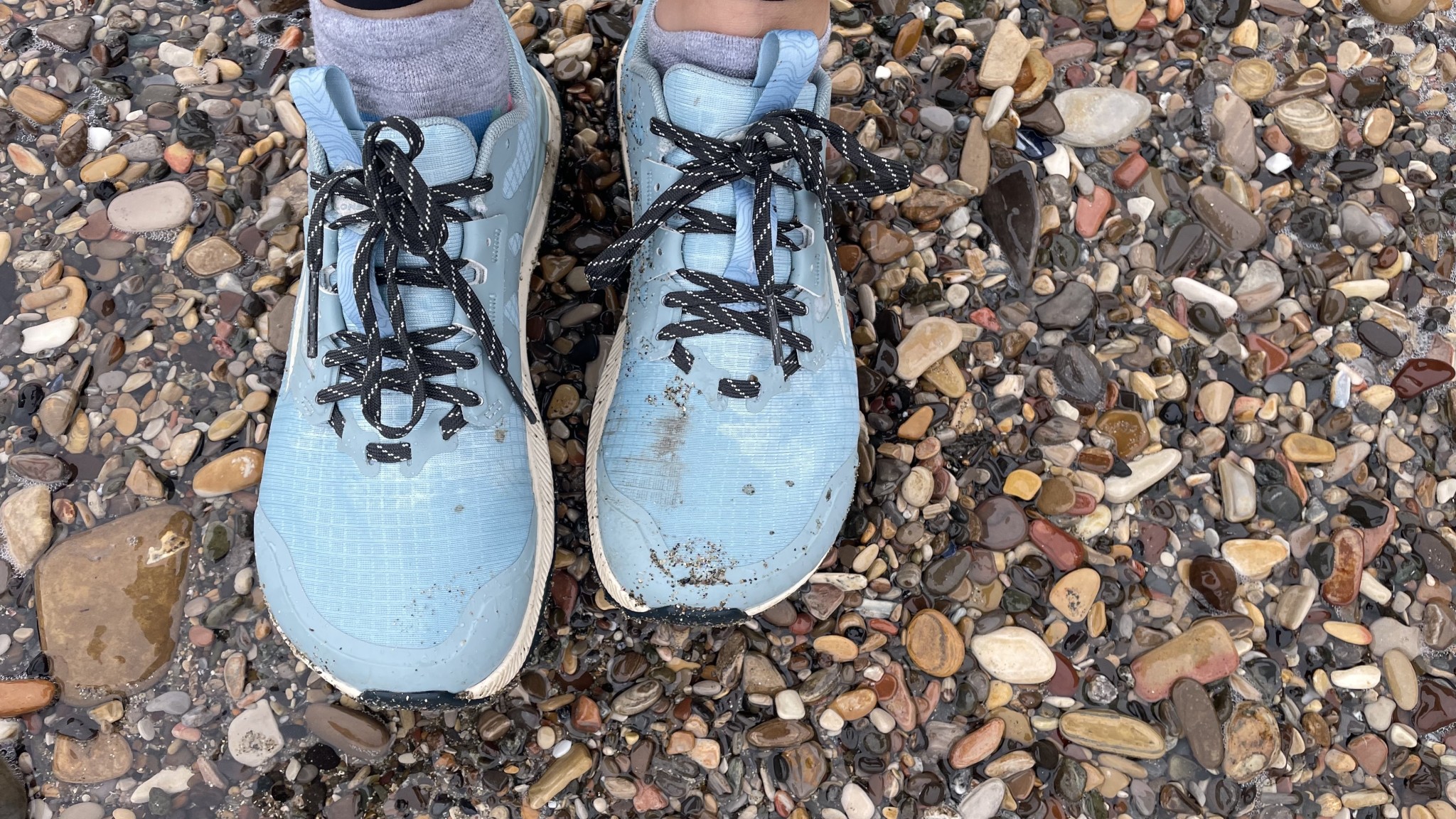
When measuring foot protection, we take a 360-degree look at each shoe, from its outsole to its toe box to its upper. While none of the shoes we've tested are waterproof, some are more water-resistant than others. Many of the shoes we tested have a "GTX" version, where Gore-Tex is used to add water protection. If you know you'll be tackling a lot of water, look for this option — just know it's likely to be less breathable and more expensive. We tested the conventional versions of each shoe by splashing through standing water and mud and taking the occasional trip to the beach to let the ocean saturate our shoes.
One of the best ways to test a shoe's water repellence is to saturate it and gauge how wet our socks got. We then survey the length of time it takes for each shoe to dry out. Here we play in the ocean wearing the New Balance Hierro v7.
Credit: Ally Arcuri
After getting each shoe wet, we timed how long it took to dry as well as how comfortable it was to run in while wet. The Salomon S/Lab Ultra 3 is a unisex shoe ideal for warm weather running. It dries out very quickly in the sun and is comfortable to run in even after being saturated. The single-pull lace system can get gunked up if you splash through a lot of mud, so be prepared to spend some time cleaning the lacing mechanism if you plan to get dirty.
The super-light upper of the S/Lab dries better than most of the shoes in our lineup.
Credit: Ally Arcuri
The Salomon Speedcross 6 is our go-to recommendation for muddy and slick terrain, partly because of its awesome protection. It has a burly toe bumper and a super finely woven mesh upper. When testing each shoe's ability to prevent sand and other trail debris from infiltrating, the upper mesh is hugely important. The Speedcross does a great job deflecting water as you splash through puddles, but it takes longer to dry because it lacks lightness and breathability.
Breathability is frequently associated with protection against water and debris, a metric you can visibly see via our smoke test. Higher breathability means smoke can escape more easily, but it also implies that organic matter like water and debris may find it easier to infiltrate the shoe.
Credit: Natalie Kafader
For lightweight foot protection, we recommend the Nnormal Kjerag. This breathable shoe provides great protection from water splashes and sand but doesn't feel overbuilt or clunky because of its ultra-lightweight design. After being fully submerged, the Kjerag did allow some water in, but its upper weave did a great job of protecting our socks when we got caught in a summer thunderstorm. The balance between protection and weight is very impressive in this shoe.
The significant lamination of the Kjerag's upper helps prevent water from infiltrating quickly.
Credit: Ally Arcuri
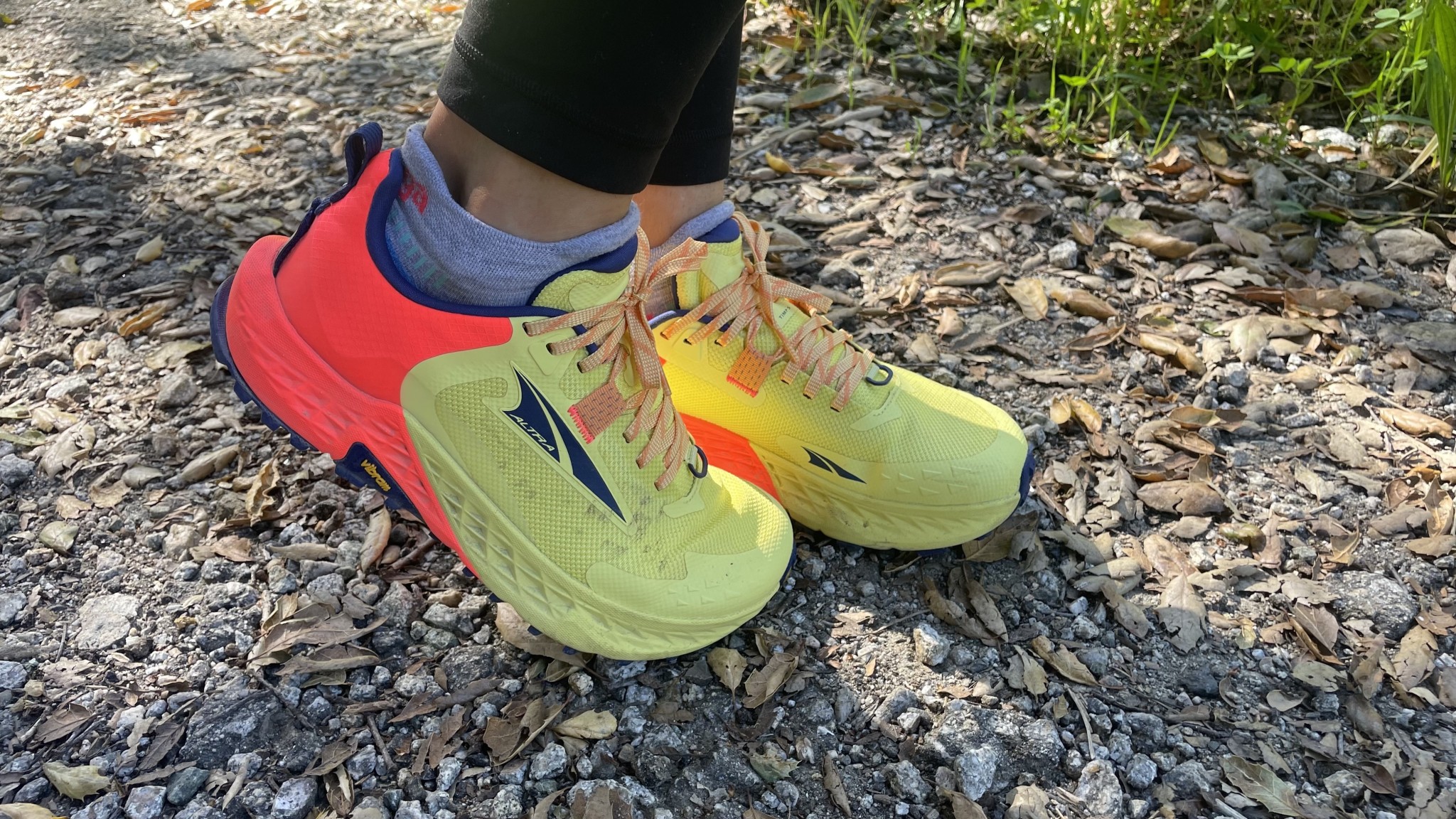
The Altra Lone Peak is another shoe that scores well for protection because of its upper. We took each pair of runners out into dirty, dusty environments and intentionally tried to get dust in our shoes, and we took careful notes about how much sand and silt was between our toes post-run. Both the Altra Lone Peak 8 and its lower-scoring cousin, the Altra Timp 5, come equipped with gaiter traps. This feature allows you to customize an additional element of protection from trail debris.
Foot protection includes water-resistance, or lack therof. In the case of the updated Speedcross, we are pleased to report that hardly any sand infiltrated through the mesh upper. We definitely felt the water creep in, but it dried quickly enough to allow us to continue our run in comfort.
Credit: Ally Arcuri
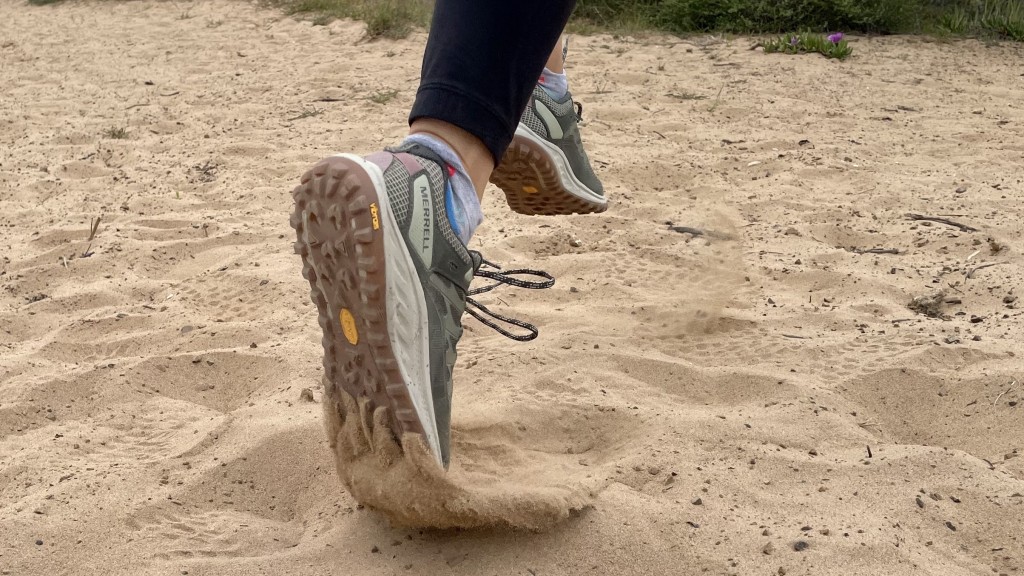
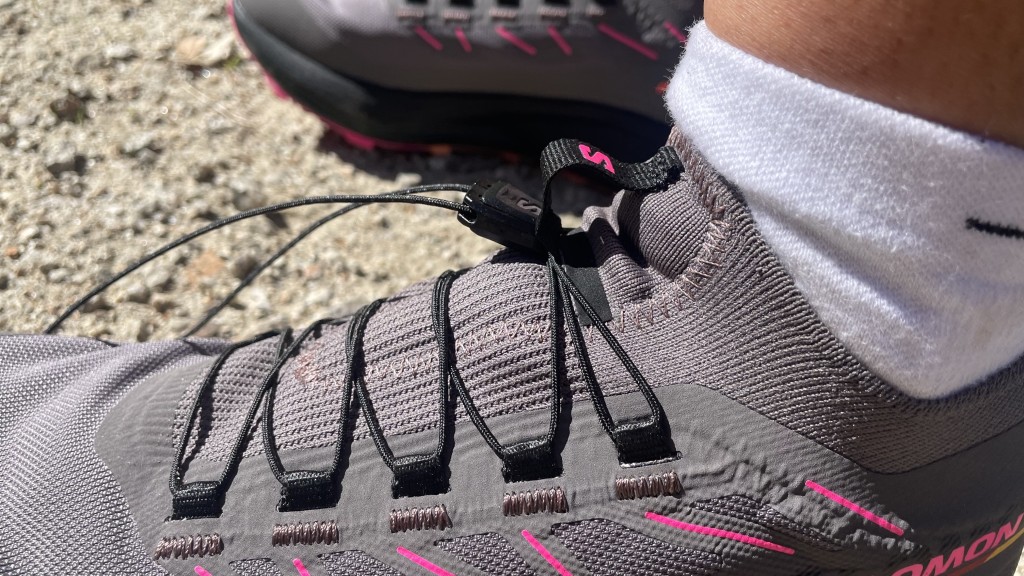
Another element we look at when it comes to foot protection is how well the heel collar protects and prevents sand from coming in. While none of the shoes we tested are completely impervious to sand being flung in through the heel collar, shoes with thicker cushions and more-contoured construction scored higher. The Merrell Antora 3 has a thicker collar that rides close to the skin. The Salomon Pulsar Trail Pro 2 takes a different approach in that it creates a near-suction-like seal against your ankles. This makes the Pulsar Trail a bit more difficult to get on, but once it is on, sand and pebbles won't be a problem.
The thick heel collar of the Antora helps prevent sand from infiltrating.
The heel collar of the Pulsar Trail 2 seals your ankles in to prevent sand from sneaking in.
A tighter collar, like those found on the Merrell Antora 3 and Salomon Pulsar Trail Pro 2, helps keep out debris.
If you are a trail runner who hates getting sand or small pebbles in your shoes, we recommend investing in a pair of ankle gaiters (see our favorite gaiters in our dedicated review). Typically very affordable, gaiters adhere to the back side of your shoe via a double-stick tape that is included with them, though many trail shoes come with a ready-to-use piece of Velcro on the heel cup. Gaiters typically have hooks or bungees on the front that can anchor to the D-loops often found on trail shoes.
Numerous Altra shoes are outfitted with Velcro tabs on the heel and miniature D-rings on the forefoot, specifically designed to attach ankle gaiters securely.
Credit: Ally Arcuri
Traction
The outsole design of a trail shoe can make or break your experience. When it comes to traction, it is valuable to decide what kind of trail you'll be running the most and then decide on some contenders from there. We tested each pair of shoes on slick, muddy trails, loose scree-covered mountains, beaches, bike paths, and many terrain types in between. No trail shoe is completely slip-resistant, but they all provide significantly more grip than running shoes built only for pounding pavement.
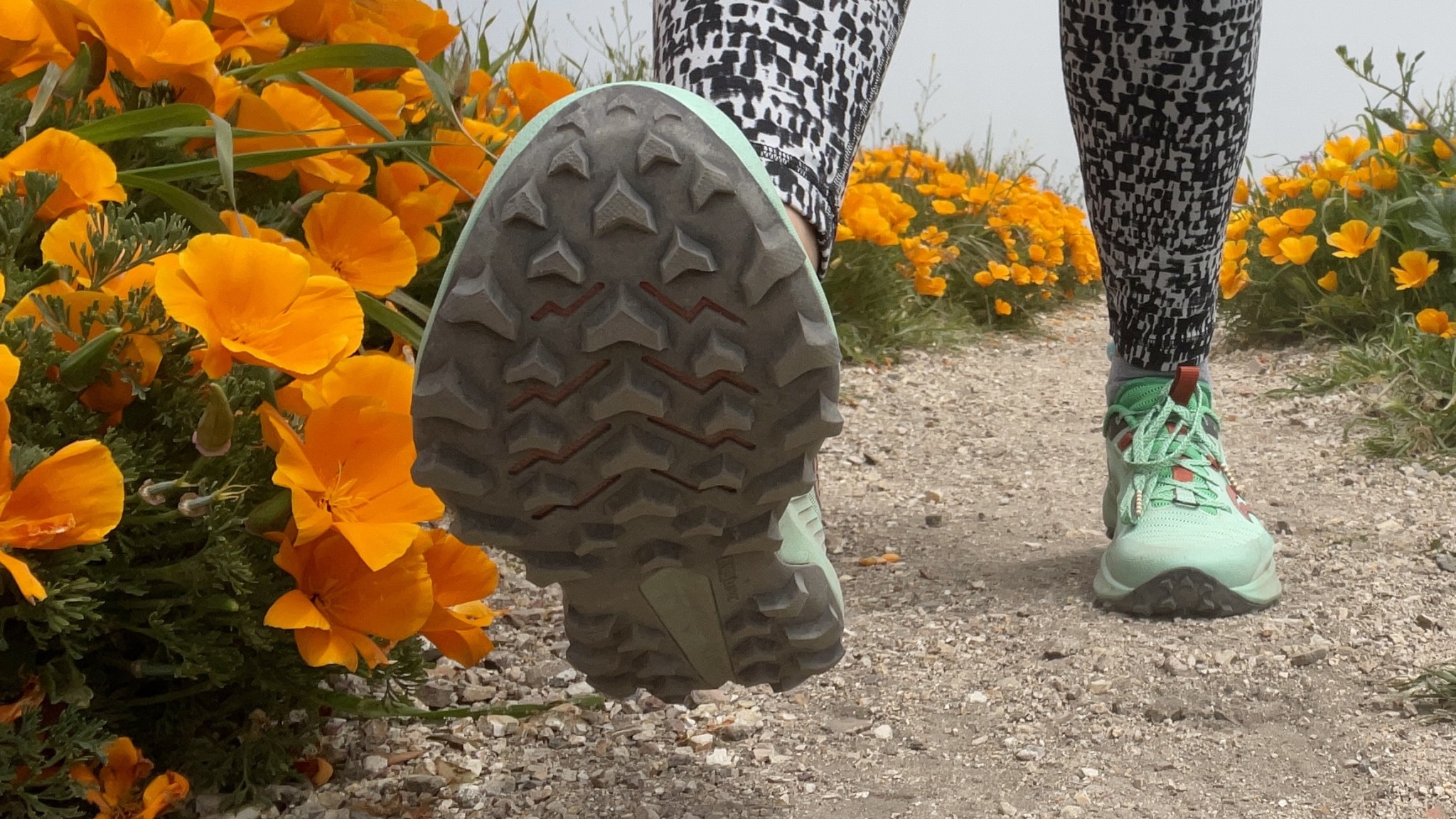
While many different traction types exist, a few patterns stand out. In general, shoes with multidirectional lugs of differing shapes provide the best traction. The lugs on trail shoes tend to be around 4mm, though there is no one-size-fits-all lug depth for manufacturers. On some of our highest-scoring shoes, the lugs are adorned with additional texturing, which can add even more grip.
Trail shoes all offer more rugged lugs than those you would see on road shoes. Some lugs, like those on the Peregrine 13, are great for gravelly and sandy trails.
Credit: Ally Arcuri
The Speedcross 6 stands out in this metric because of its sharp 6mm lugs. While the outsole is sticky, this shoe relies on the sharp points of its tri-tipped lugs to keep you upright on loose and muddy terrain. Other shoes, like the S/Lab Ultra 3, rely more on the grip of the outsole. The S/Lab and the Speedcross scored similarly in our traction metric, though their differences equip them for slightly different terrain types. Both of these Salomon-made shoes shed mud well, making them that much more equipped for muddy trails.
Thick, sharp lugs like this are built to keep you steady on loose, sloppy trails.
Credit: Ally Arcuri
The Torrent 3 and Ultraventure 3 are both distance-focused trail shoes that perform exceptionally well on moderate trails. Both outsoles have strong, durable lugs that hold their grip on varied terrain types. In both cases, ample cushioning makes these shoes suitable for crossing over into road-running territory, which is helpful if you cruise through your neighborhood to get to your local trail system. The New Balance Hierro v7 is an additional example of a shoe that is well-tractioned enough to tackle light to moderate trails and is cushioned enough to hit the asphalt when needed.
The teeth on the lugs of the Hierro inspire even more confidence on light to moderate trails.
Credit: Ally Arcuri
If you are more inclined to run softer, flowy single tracks or fire roads, shoes with overbuilt outsoles might be too clunky or protective for your needs. Some of the best shoes built for more moderately technical trails scored lower in this metric because they were being compared to super rugged competitors. Please note: every single trail shoe we tested provides traction that is suitable for the trails; it is up to you, with our help, to decide what level of traction will suit your needs.
Once you decide what kind of terrain you want to tackle, you can dial in the traction type that will best serve you.
Credit: Ally Arcuri
Sensitivity
The sensitivity of a trail running shoe is a black-and-white concept, but where each runner's personal preference lies is a delightfully colorful spectrum. We rank each shoe's sensitivity, or the ability to feel the specifics of the trail beneath you, in order from most to least. The most sensitive shoes have very little cushion in the sole, while the least sensitive are stacked with plush fluff. All shoes provide some amount of sensitivity, as it is necessary to be able to adapt to the terrain as you run. If you are a runner who wants a thick underfoot stack for joint cushioning and ultra-distance efforts, the "worst" in this metric might be the best fit for you.
Trail runners often value sensitivity because feeling the undulations and unique trail features beneath you can encourage your body to make micro-adjustments as you run. The stabilizing muscles in your feet and lower legs can work harmoniously when they receive information about where and when to engage or relax. Other trail runners prefer shoes that provide dampened sensitivity, meaning they can feel that something is beneath their feet, but they can't feel exactly how pointy the rock or stick is.
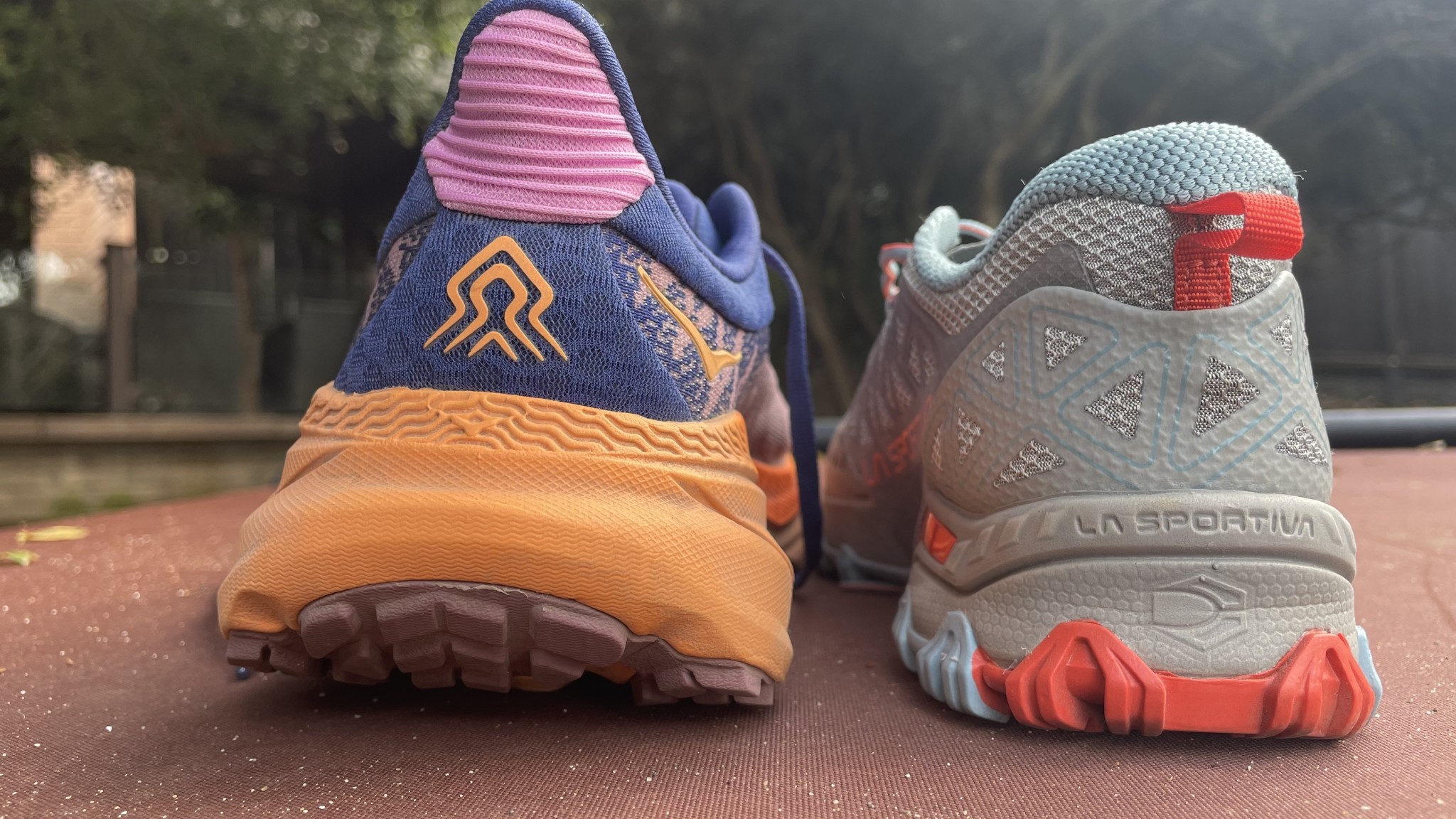
A comparative look at the plush Challenger (L) and the ultra-sensitive Bushido (R).
Credit: Ally Arcuri
The La Sportiva Bushido II strikes a great balance between supreme sensitivity and protection. La Sportiva claims that this shoe has a stack of 19mm in the heel and 13mm in the forefoot, but when we measured this in our facility, we got very different results — 29mm in the heel and 21mm up front. As we mentioned previously, these measurements are not standardized, so we're not sure how or where on the shoe La Sportiva measured, whether they included the tread, etc. Either way, this shoe provides an intimate trail experience while still offering adequate bumpers and cushion. Don't let its sensitivity rating fool you –- the Bushido can tackle rugged trails.
The Bushido is protective enough to be considered a rugged trail shoe while still providing more trail intel than we expected.
Credit: Ally Arcuri
The Nnormal Kjerag takes the cake when it comes to sensitivity due to its lack of insole and outsole flexibility. The Kjerag isn't quite as protective as the Bushido, making it slightly less suitable for ultra runners, but if sensitivity is high on your priority list, we encourage you to enjoy what the Kjerag has to offer.
The flexible outsole and lack of insole make the Kjerag one of the most sensitive trail shoes on the market today.
Credit: Ally Arcuri
The S/Lab Ultra 3 is another high scorer in this metric. Sitting 27mm above the earth at the heel and 19mm at the toe, its flexible outsole bends and curves around rocks and ruts in the trail. The most universally appropriate trail shoes strike a balance between protection and sensitivity. The S/Lab offers just enough cushion to be a highly sensitive shoe that is appropriate and comfortable for long distances.
The S/Lab offers a prime balance between flexibility, sensitivity, support, and stability.
Credit: Ally Arcuri
Stability
The stability of a shoe is hugely important when it comes to keeping your body safe and healthy on the trails. Stability can best be described as how secure and surefooted you feel on trails, especially when you misstep and land on an unexpected hazard. Does the shoe move with your foot as your body adjusts to regain balance, or does it go one way while your foot goes another? The latter option can result in rolled ankles and more serious injuries, which is part of why stability is so important.
Trail runners and hikers can be perfectly stable in traditionally shaped shoes that offer a standard heel-to-toe differential. For context, most road running shoes have an 8-12mm "drop," which describes how much lower the forefoot sits than the heel. For the most part, trail shoes have a less significant drop because the lower your heel is to the ground, the more stable you become.
A super stable shoe can help absorb the impact of rogue rocks that may otherwise be considered ankle-twisters.
Credit: Ally Arcuri
Altra is known for making epic zero-drop shoes, such as the Lone Peak and Timp, which means that the heel and toe sit on the same plane. This style of shoe encourages your rear chain muscles to engage more readily, creating more stability. The caveat here is that zero-drop shoes are not comfortable for all bodies. Especially if you're unaccustomed to the fit, the difference, even though it seems subtle, can lead to a very uncomfortable adjustment period. It's best to build up the foot strength needed for this type of shoe by starting out slowly with shorter runs.
The S/Lab Ultra 3 is an incredibly stable unisex shoe. It has ample space within and is flexible enough to let you feel the trail beneath your feet, giving you confidence while flying up or down it.
Credit: Abriah Wofford
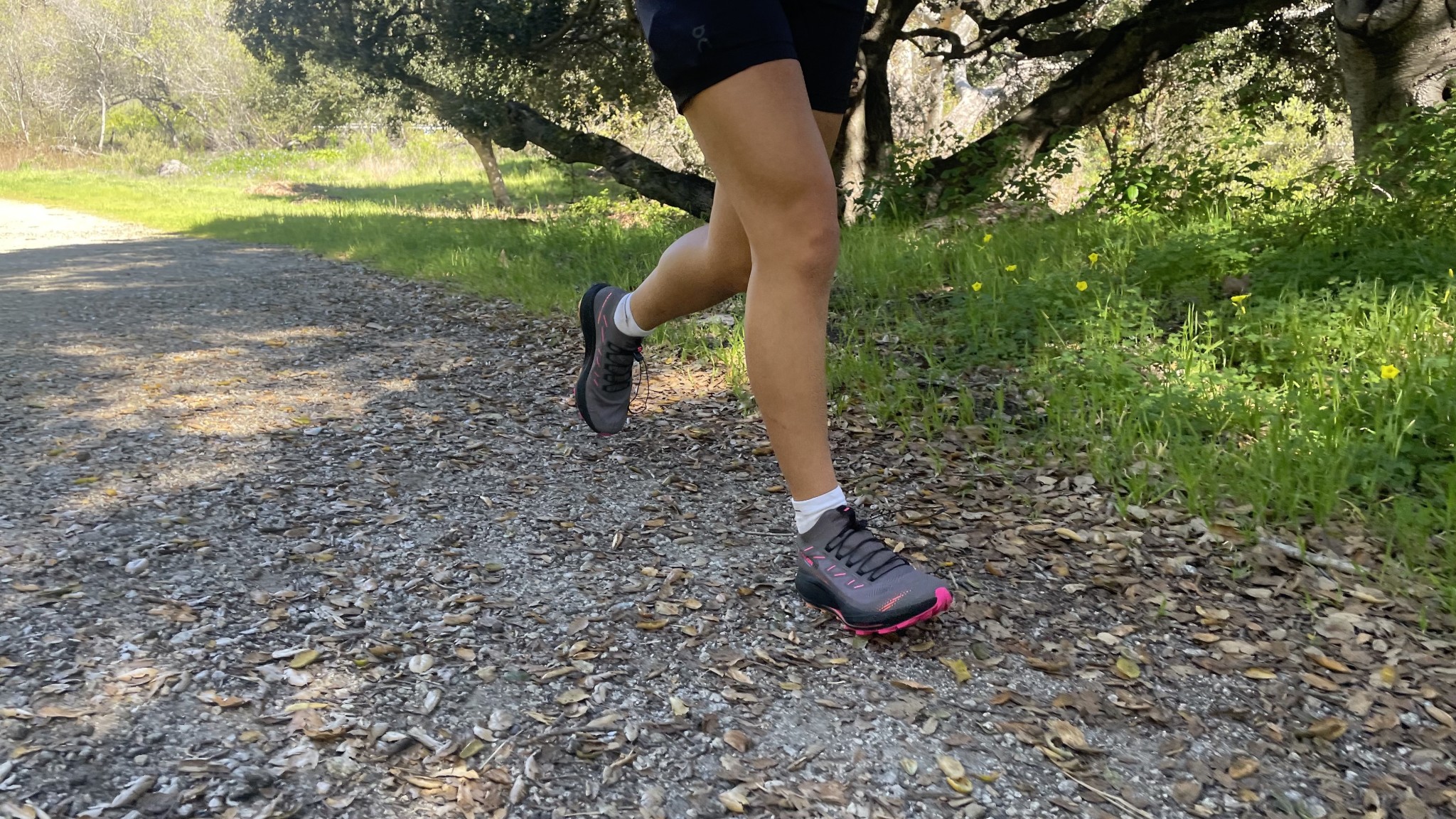
Salomon recently released a redesigned version of their comfortable standby, the Salomon Pulsar Trail Pro. This shoe boasts a 1mm drop but is structured in a way that makes it feel less obvious than the Altra shoes we have tested. With hearty traction, a strong midfoot lock, and a spacious-but-not-clown-like toe box, this is a shoe built for stability and agility.
The Pulsar Trail Pro 2 became one of our testers' fast-favorites because of its security, agility, and comfortable approach to low-drop trail running.
Credit: Ally Arcuri
Another element that plays into stability is the width of your shoe. We don't suggest you hurdle down trails in something with a lot of lateral wiggle room, but you should have enough in-shoe real estate for your toes to splay and muscles to engage. Giving your feet this bit of space allows your muscles to work properly, which is your body's way of finding stability as you run. The Lone Peak and Pulsar Trail 2 are super stable shoes because they hit on the main elements that lead to stability. With a plush zero-drop differential (the Lone Peak is significantly more padded than the Pulsar Trail) and an emphasis on toe box space, these are our go-to recommendations for runners who want a very stable shoe.
The Lone Peak 8's width and plush construction make it particularly suitable for runners who prioritize stability and comfort.
Credit: Ally Arcuri
The Hoka Torrent 3 is a 5mm drop shoe with a more svelte profile. It has a bit more responsive bounce than your typical stability-forward shoe, making it an excellent choice for runners who want stability and speed. The Torrent has a way of absorbing the impact of rogue rocks and missteps that feels supremely stable. The Tecton X 2 is another shoe that offers great stability and a 5mm drop but can encourage your legs to turn over faster, thanks to its carbon fiber plate. While no shoe is completely fool-proof, we absolutely trust the Torrent to keep us stable and upright even on extremely fatigued legs.
Lightweight and peppy all around, the cushioning of the Tecton makes it comfortable, while its carbon plate makes it extra responsive. This is our top recommendation for runners who need stability but crave speed.
Credit: Ally Arcuri
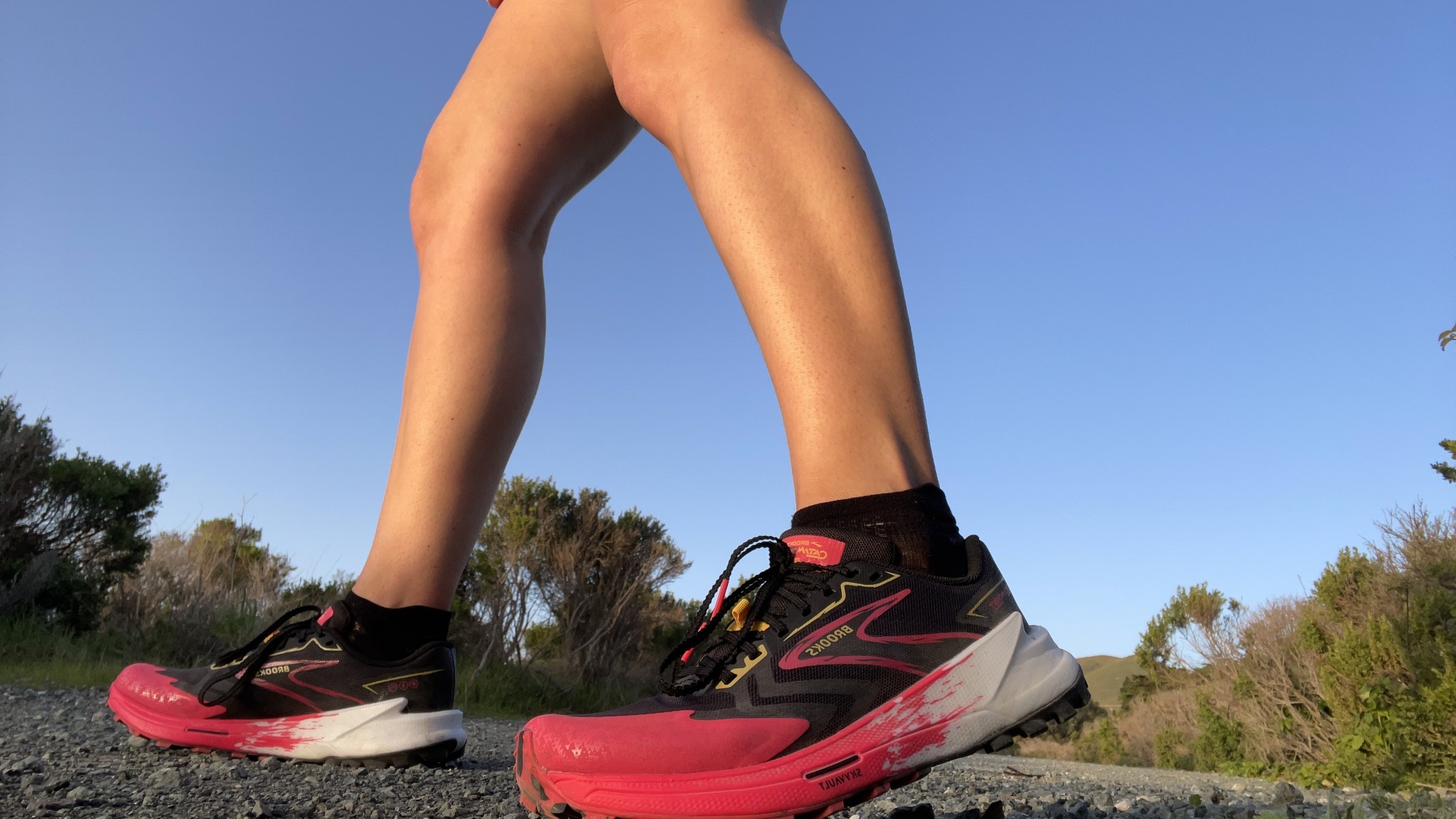
The updated Brooks Catamount 3 is another shoe with solid stability due to its strong structure. With solid traction and protection, it rides strong and sturdy, with its slightly narrow midfoot presenting our only concern. The 4mm drop feels extra stable because of how strong the heel cup holds the foot in place.
The slightly rigid sidewalls of the new Catamount help create some stability. Runners who want to avoid zero-drop shoes but prioritize stability should check out the Catamount 3 by Brooks.
Credit: Ally Arcuri
Comfort and Fit
This is a tricky metric to assess because of how different one runner's needs are from the next's. We took a holistic approach to evaluating comfort and fit, assessing all of the details of the shoe and aligning that with what kind of runner might prefer each feature set. We describe some shoes as "universally comfortable," meaning their comfort will appeal to the masses. Other shoes with more niche features will be less universally beloved because their fits tend to be a bit more specific.
As we tested, we considered the spaciousness of the toe boxes, the width of the midfoot, and whether or not the heel collar rubs the ankle. We noted how long each shoe took to feel like our own and endeavored to be as unbiased as possible as we focused on how each pair felt on our feet.
The majority of shoes won't please everyone since we all have different gait patterns, foot shapes, and preferences. A few shoes will be comfortable for more runners than others, given their extra cushion and forgiving body styles.
Credit: Ally Arcuri
In general, shoes with a bit more cushion and toe box space scored higher in this metric. A shoe that stands out to us as one that we think will be highly comfortable for many people is the Hoka Torrent. With its supportive but padded body extending through the heel collar, this shoe strikes the perfect balance between forgiving and stiff. Its plush, padded tongue prevents the laces from digging in as your feet naturally swell. The toe box isn't as wide as other shoes we've tested, but the mesh upper has a way of molding to accommodate each unique foot shape. The Torrent 3 requires a few break-in miles, but once the upper starts to soften, it becomes a trail companion you'll never know how you lived without.
The breathable yet protective mesh upper of the Torrent expands to accommodate your unique foot shape, making it one of the most personally comfortable shoes on the market.
Credit: Ally Arcuri
The Lone Peak 8 may not be as universally coveted because of its zero-drop profile, but this shoe actually scored the highest in this metric. Its extra-wide toe box is incredibly comfortable, while the midfoot taper holds your foot in place. The general plushness aligns with a bit of arch support for a shoe that cradles your footbed. While this pillowy, zero-drop shoe won't be for everyone, those who love it will delight in its rugged softness.
While zero-drop shoes aren't for everyone, the body of the Lone Peak 8 is one of the most comfortable we have tested to date.
Credit: Ally Arcuri
The Topo Ultraventure 3 is another comfortable option with a wide toe box. It's not as plush as the Lone Peak, but it also isn't a zero-drop shoe, so it may appeal to a wider variety of trail runners. With a 6mm drop, strong protection, and moderate trail traction, the Ultraventure is another high-ranking, comfortable shoe that should be on your radar if comfort is key.
The Ultraventure has a toe box that is similar to that of the Lone Peak, but since it isn't zero-drop runner, it might appeal to a wider variety of runners.
Credit: Ally Arcuri
Similar to the Torrent 3, the Salomon S/Lab Ultra has the capability to conform to the individual contours of your foot, providing a comfortable cradle. With just a few runs, you'll notice signs of this contouring, particularly in the forefoot area, enhancing the overall comfort and personalized feel of the ride. The Pulsar Trail Pro 2 is another shoe that, after several runs, adapts to your foot's unique shape, resulting in heightened comfort and agility.
The Pulsar Trail Pro 2 offers a seamless blend of comfort and agility, ensuring a pretty optimal running experience.
Credit: Ally Arcuri
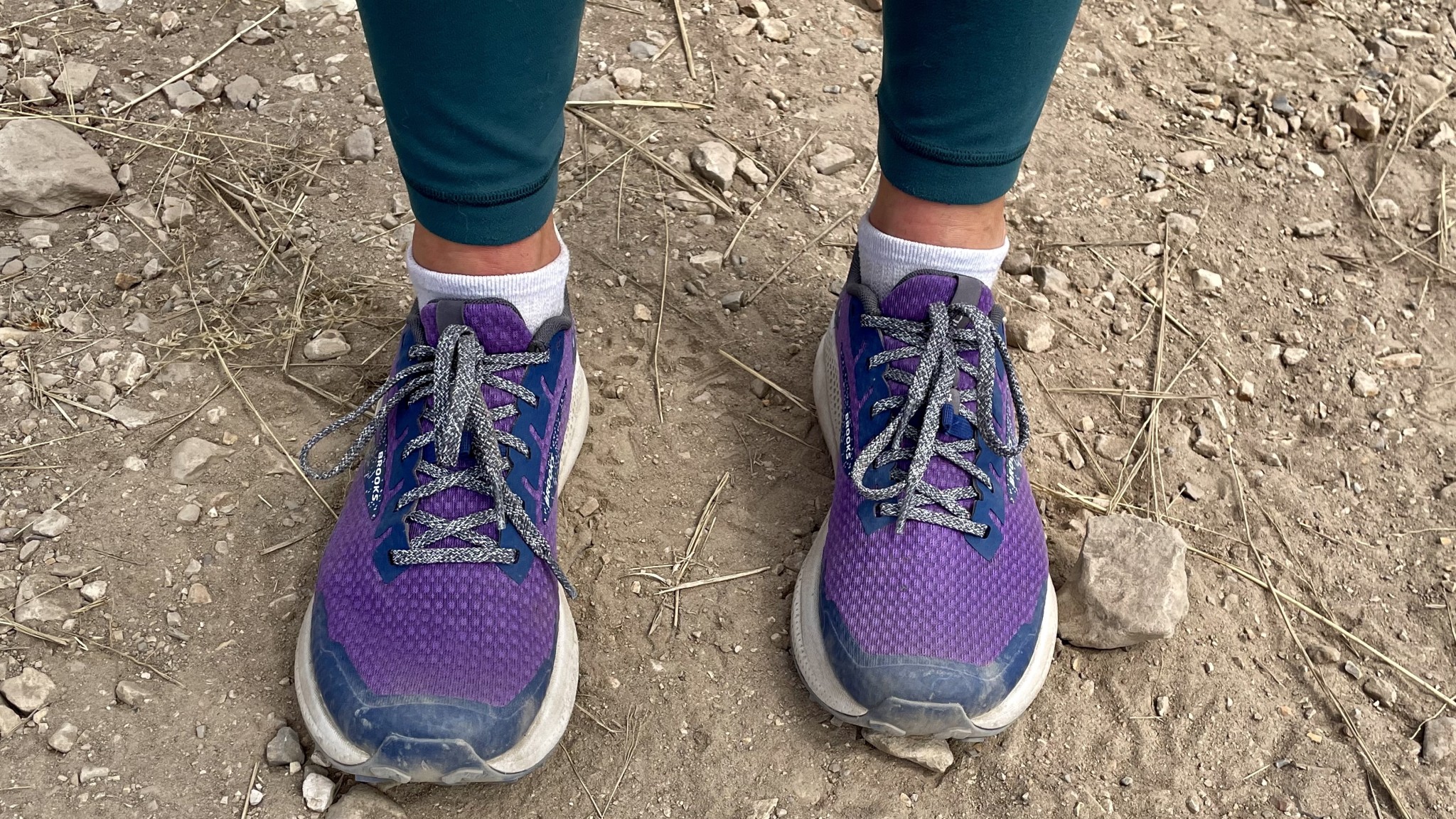
For more narrow-footed runners who want to ensure a snug forefoot, we recommend the New Balance Hierro v7. With thick laces and well-rounded padding, the Hierro is slightly more slender than some of our other high scorers, making it great for runners whose feet run narrow. The NNormal Kjerag is another slim-bodied but ultra-comfy shoe that provides extra pep and cushion where you need it. The Brooks Divide 4 fits like a standard pair of running shoes, with firm cushioning throughout. The comfort of the Divide, paired with its price, makes it a fantastic option for budget-conscious runners who want to prioritize comfort.
While not a narrow shoe, the fit of the Hierro is a bit more slender than some of our forerunners in this metric, making it an appropriate choice for runners with thinner feet.
All of the elements of the Brooks Divide come together to make a budget-friendly, trail-ready shoe that will suit a variety of runners and run types.
For a minimalistic running experience, the Kjerag is our go-to recommendation.
Comfort in a running shoe is personal. Different styles and features will be more comfortable to some and unpleasant to others.
Weight
Weighing trail running shoes is one thing, but weighing them and then assessing how that weight feels as you run is a whole different party. First, we weigh each shoe right out of the box, and then we assess that weight as it compares to our calculated average, which is currently 7.95 ounces per shoe for a women's size 6.5 US.
Next, we look at what protective features and comfort-forward attributes each pair of shoes brings to the table. Some runners are looking for super lightweight and responsive kicks so they can throttle down mountainsides, while others aren't concerned with their shoe's weight and would rather have a beefier shoe. The weight alone cannot determine the prowess of the shoe, so it is up to you to decide what style will best serve your running needs. Unless ultralight running is your game, the lightest weight does not always make the best trail running shoe.
Some shoes, like the Tecton X 2, are super lightweight and feel that way on the trail.
Credit: Ally Arcuri
A handful of the most well-featured shoes regarding protection score the lowest in the weight metric. The Salomon Speedcross is a rather niche shoe that scored low in this metric. It is important to discuss them, though, since their weight does not necessarily determine their ranking overall. The weight of the Speedcross is well worth it if you consistently run on muddy, mucky trails. The weight rides low, which is a unique feeling if you are accustomed to a more traditional fit. But the beef and weight distribution of the Speedcross allows it to do what it needs to, which is to keep you upright on slippery, hilly terrain.
With serious lugs and a host of other protective features, it is no surprise that the profoundly equipped Speedcross is on the heavier end of the spectrum.
Credit: Abriah Wofford
Perhaps the most notable addition to our review is the Nnormal Kjerag, an impossibly light shoe that provides protection and just enough cushion. Weighing in at 6.61 ounces per women's size 6.5, this is the lightest shoe we have had the pleasure of testing. The weave of its upper allows it to ride snug to your feet, and with just enough responsive bounce, the Kjerag feels weightless and peppy during runs. That said, it unsurprisingly lacks some of the cushion that super long-distance lovers might want or need.
The Kjerag may lack the cushion of a shoe for ultra running, but its weightless feel, responsive pep, and sock-like comfort make it a shoe that our testers are excited to run in.
Credit: Ally Arcuri
The Hoka Challenger is notably lightweight, especially considering its cushion, weighing only 7.28 ounces per shoe. On par with it are the Hoka Torrent 3 and Hoka Tecton X 2, which weigh 7.52 ounces and 7.27 ounces, respectively. While all three pairs of these Hoka-made trail runners provide a comfortable, well-balanced ride, none of them score the highest in the foot protection metric because they lack the rigid structures of more specified shoes.
The Challenger has a thick outsole, but its lightweight makes it great for runners who want to throttle down trails.
Credit: Ally Arcuri
Conclusion
Your running needs will dictate what kind of trail running shoe will be right for you. We have tested options that prevail on steep mountainsides and others that thrive on sandy singletrack. While no shoe is going to be right for every runner, we hope that by digging into the nuances of some of the best trail running shoes on the market, we can help guide you toward a shoe that will excite you to hit the trails.
Tackling alpine runs in the name of gear testing is always more fun with friends.