
REASONS TO BUY
Durable
Wide range
REASONS TO AVOID
Heavy compared to Camalot Ultralights and Metolius

 This Product
Black Diamond Camalot | |||||
|---|---|---|---|---|---|
| Awards |  |  | | | |
| Price | $63.71 at Backcountry Compare at 3 sellers | $74.96 at Backcountry Compare at 3 sellers | $67.46 at Backcountry Compare at 3 sellers | $58.99 at Amazon Compare at 3 sellers | $69.95 at REI Compare at 3 sellers |
Overall Score  |
|||||
| Star Rating | |||||
| Bottom Line | These are the most popular cams at Indian Creek due to their great range and durability | These cams are awesome for long Yosemite free climbs and Indian Creek splitters | A top choice for smaller sizes due to the widest range and incredible ease of use | Very fine tuned design that integrates into a rack very well due to matching sizes and colors | The super light, narrow headed Ultralight Master Cam have you covered in small cracks and flares |
| Rating Categories | Black Diamond Camalot | Black Diamond Camal... | Black Diamond Camal... | Wild Country Zero F... | Metolius Ultralight... |
| Free Climbing (20%) | |||||
| Weight (15%) | |||||
| Range (15%) | |||||
| Horizontal Cracks (15%) | |||||
| Tight Placements (15%) | |||||
| Durability (10%) | |||||
| Walking (5%) | |||||
| Aid Climbing (5%) | |||||
| Specs | Black Diamond Camalot | Black Diamond Camal... | Black Diamond Camal... | Wild Country Zero F... | Metolius Ultralight... |
| Weight (1 inch size piece) | 3.28 oz | 2.6 oz | 2.8 oz. | 2.7 oz | 2.3 oz |
| Range (inches) | .54-7.68" | .61-4.51" | .29" -1.66" | .32 - 1.62" | .34-2.81" |
| Sling Length (inches) | 3.75" | 3.75" | 3.75" | 3.75" - 7" | 3.75" |
| Stem width above trigger | |||||
| Single or Double Axle? | Double | Double | Double down to .3 | Single | Single |
| Extendable Sling? | No | No | No | Yes | No |
| Sling material | Nylon | Dyneema | Dynex | Dyneema | Dyneema |
| High Clip in for Aid? | Yes | Yes | Yes | Yes | No |
| Cam Stops? | Yes | Yes | Yes down to .3 | No | Yes |
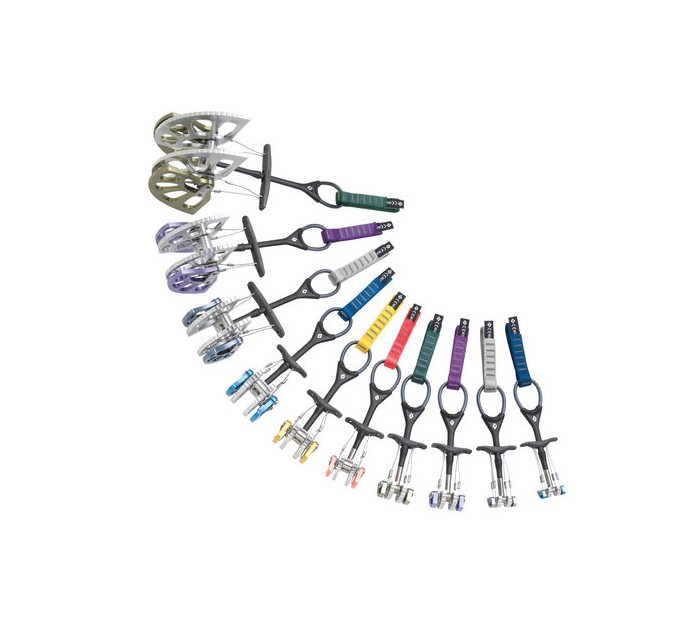
In the past several years, BD added an awesome trigger keeper feature on the larger sizes, so they'll remain in a compact, retracted position when racked on your harness. Then, bam! They automatically expand when you pull the trigger. This feature is super useful, as we used jam sticks into the lobes of our larger cams to make them less bulky to carry around. Hopefully, somebody got a raise for that one. Additionally, a 10% weight reduction brings the C4 up to snuff with the competition from Wild Country and DMM.
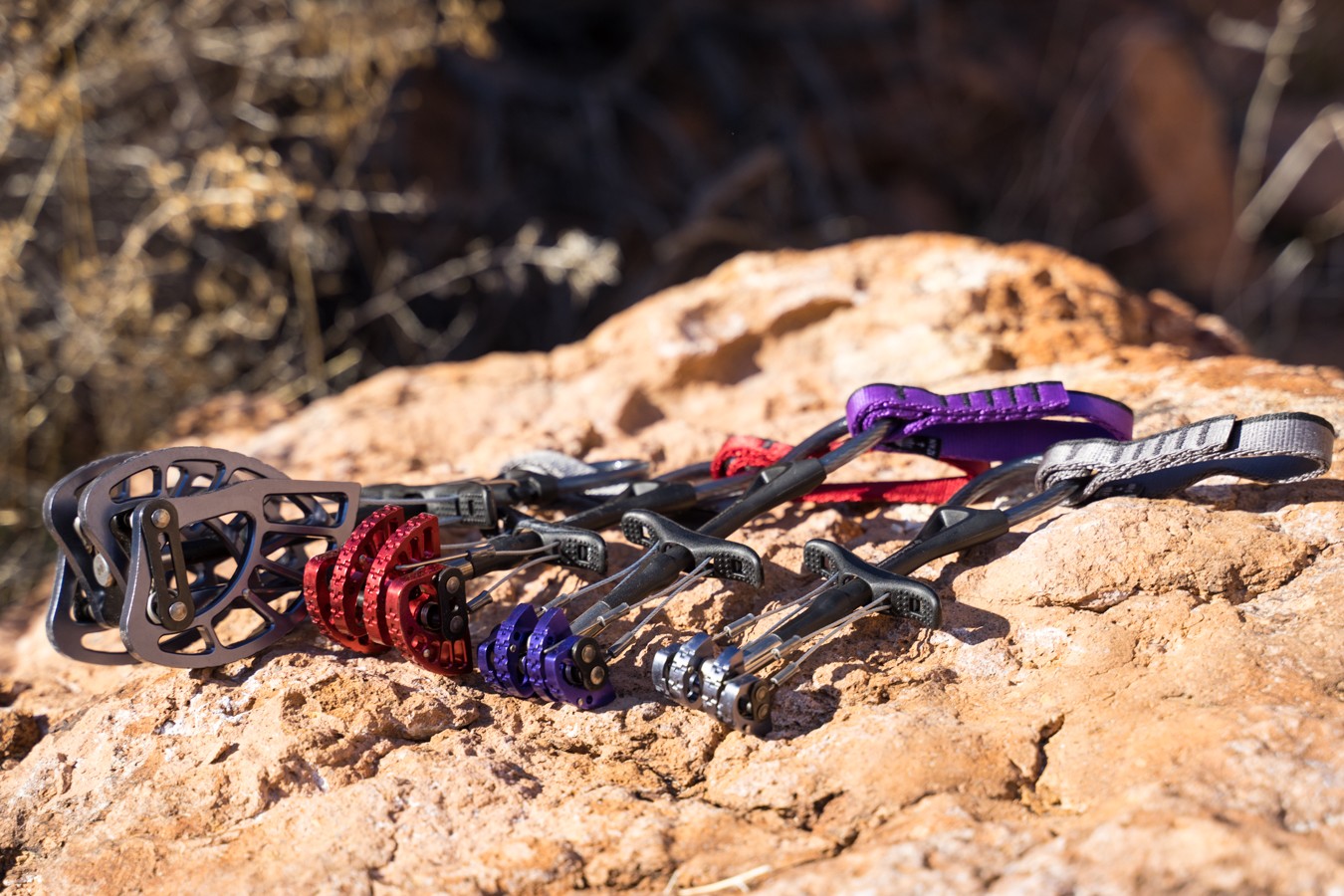
Weighing in at 27.97 ounces, a set of C4s from .3 to a #3 doesn't have the mind-blowing weight savings as theCamalot Ultralights (21.79 ounces without the .3 size), the Metolius Ultralight Master Cams(23.3 ounces), and the Wild Country Friends (22.79 ounces, but without a .3 or .4 size). A set of Totem Cams will add 22.5 ounces to the load on your forearms, but doesn't include the #3 size. The same size run DMM Dragons weigh almost the same, but the extendable sling feature can potentially save you some weight, as you may not need to carry as many extendable draws. The advantage of the Camalot Ultralights is apparent when you grab a #2 off your harness and think you accidentally grabbed a .5.

The original double-axle design allows for a wider range than single-axle cams like the Fixe Alien Revolutions and the Metolius Ultralight Master Cams. A wider range also lets you carry fewer cams to protect the same range of sizes so that you can lighten your load, and you've got more room to carry more cams. We recommend carrying more cams. The Totem Cams have a single axle design, and they don't have quite as wide a range as the C4s, but they get pretty close (within a millimeter) in the larger sizes range due to the unique oblong shape of their lobes, which also makes them harder to remove if they get over cammed. C4s have the same range as their lightweight cousins, the Camalot Ultralights.

The stem on the C4s is flexible enough that they will bend when weighted in a horizontal placement and effectively engage the cam in the right direction of pull. However, cams with more flexible stems such as the Fixe Alien Revolution, the Black Diamond X4, and the Metolius Ultralight Mastercam perform much better in horizontal placements. The more rigid stem of the C4 is more prone to damage when you whip on them in horizontal slots, as the less flexible stem will bend under stress and won't be able to return to its original alignment. In finger sizes, we recommend the super flexible Fixe Alien Revolutions for when you need to plug some pro in horizontals. For larger hand sizes, Metolius Ultralight Mastercams and the Totem Cams are better suited for horizontal placements.
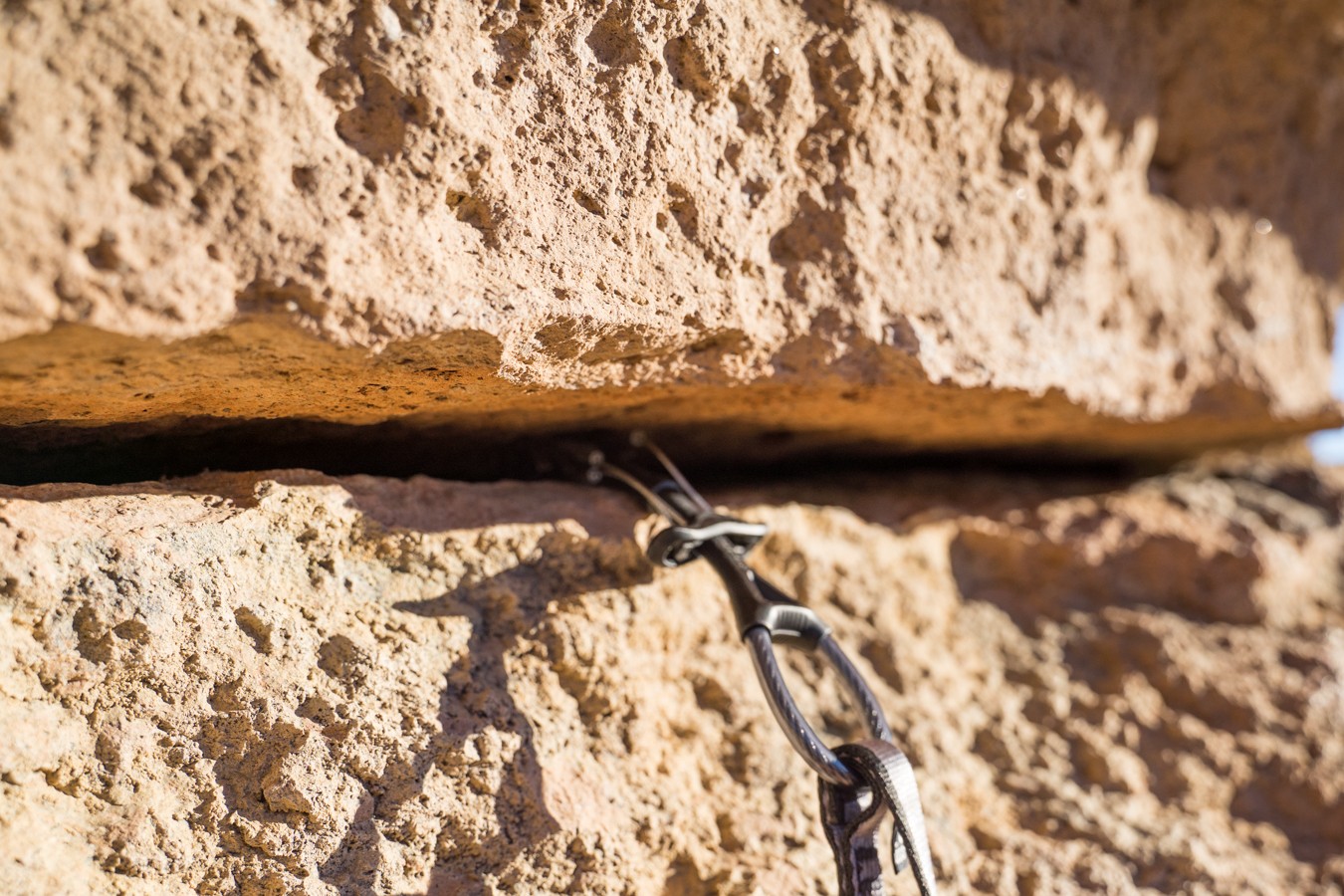
The C4's head with is the widest in the lineup, making them our last choice for weird, funky tight placements. The narrow-headed Totem Cams take the cake for these types of situations, even offering narrower cams in the hand sizes. In the finger size range, the Fixe Alien Revolutions are narrower and more flexible, increasing their performance and durability in pockets and weird holes. If you're a BD loyalist, the X4s are narrower and more flexible than the C4s and are available in sizes .1 to .75.

When placed in their optimal camming position, these cams walk minimally. Sling them long, and walking isn't even an issue. The Fixe Alien Revolutions, Wild Country Friends and the DMM Dragon Cams all have a leg up on the C4 when it comes to walking because they have their extendable sling.
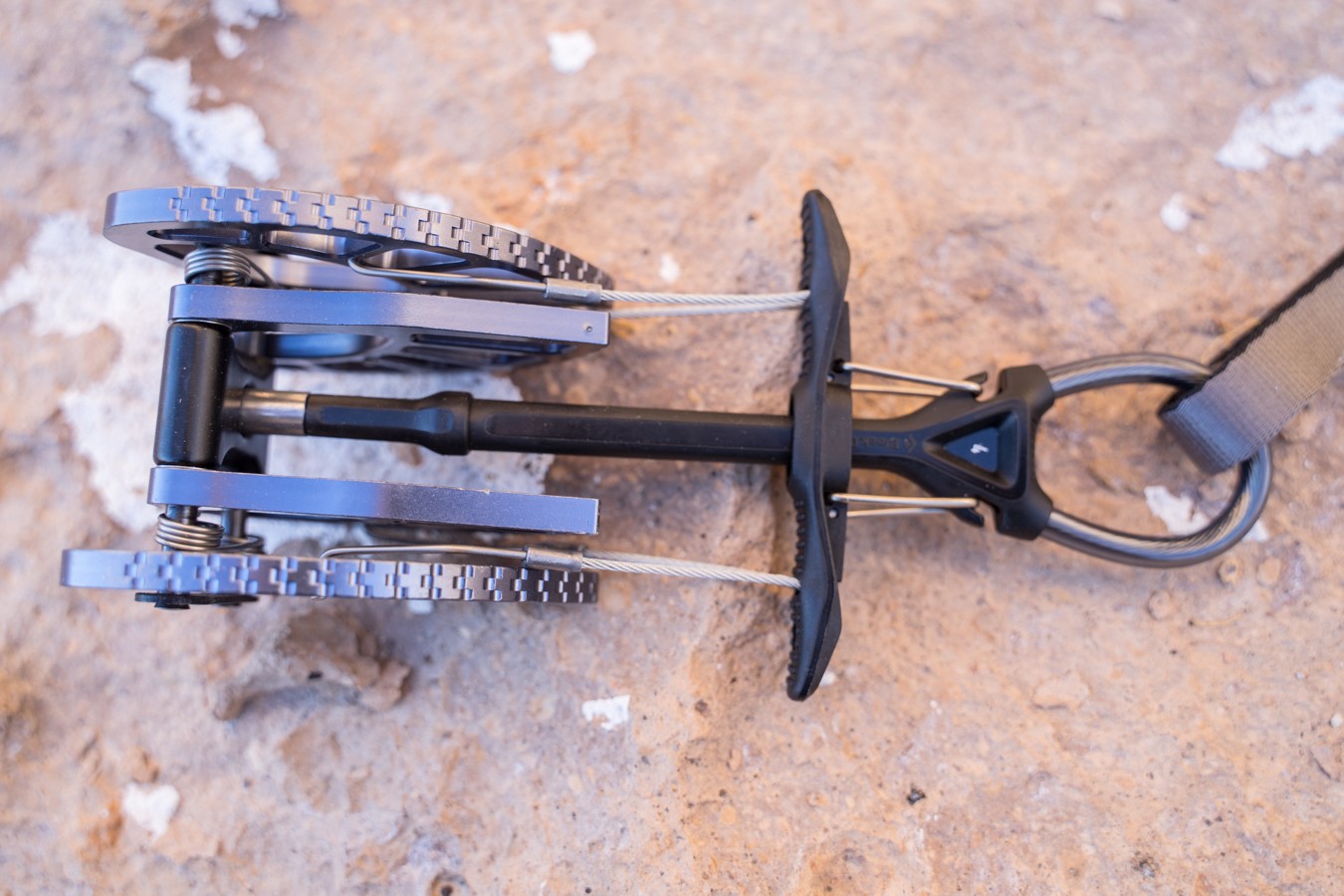
We love the C4s for their durability. Ropes and shoes wear out in a matter of months, vans break down, girlfriends leave after the vans break down, but the Black Diamond C4s keep on saving our butts season after season. The updated version has lighter lobes and a slightly wider trigger, but this doesn't affect their durability, and in our experience, they hold up to plugging, bumping, and whipping as well as the last design, and they still have solid cable loop, as opposed to the Ultralights Dyneema core. Keep them clean, lubed and save the more flexible cams for horizontal placements and these cams will last for years. When the nylon webbing starts looking shabby, get them reslung. BD recommends re-slinging every 2-5 years for cams with frequent use.
The thumb loop adds precious inches to every placement, and every inch adds up when you're crawling up El Cap, one piece at a time. It's also another place to Fifi into besides the sling or the biner. Regarding strange aid placements, like flares and pin scars, Totem Cams outperform the C4s every time because each side of the cam can load independently, essentially making it an offset cam, and the heads are narrower. More Flexible small cams like the Black Diamond X4s and the Fixe Alien Revolutions also hold better in flared placements. The Metolius Ultralight Mastercams have narrower heads and more flexible stems than the C4s, but our testers are disappointed with their lack of a thumb loop.
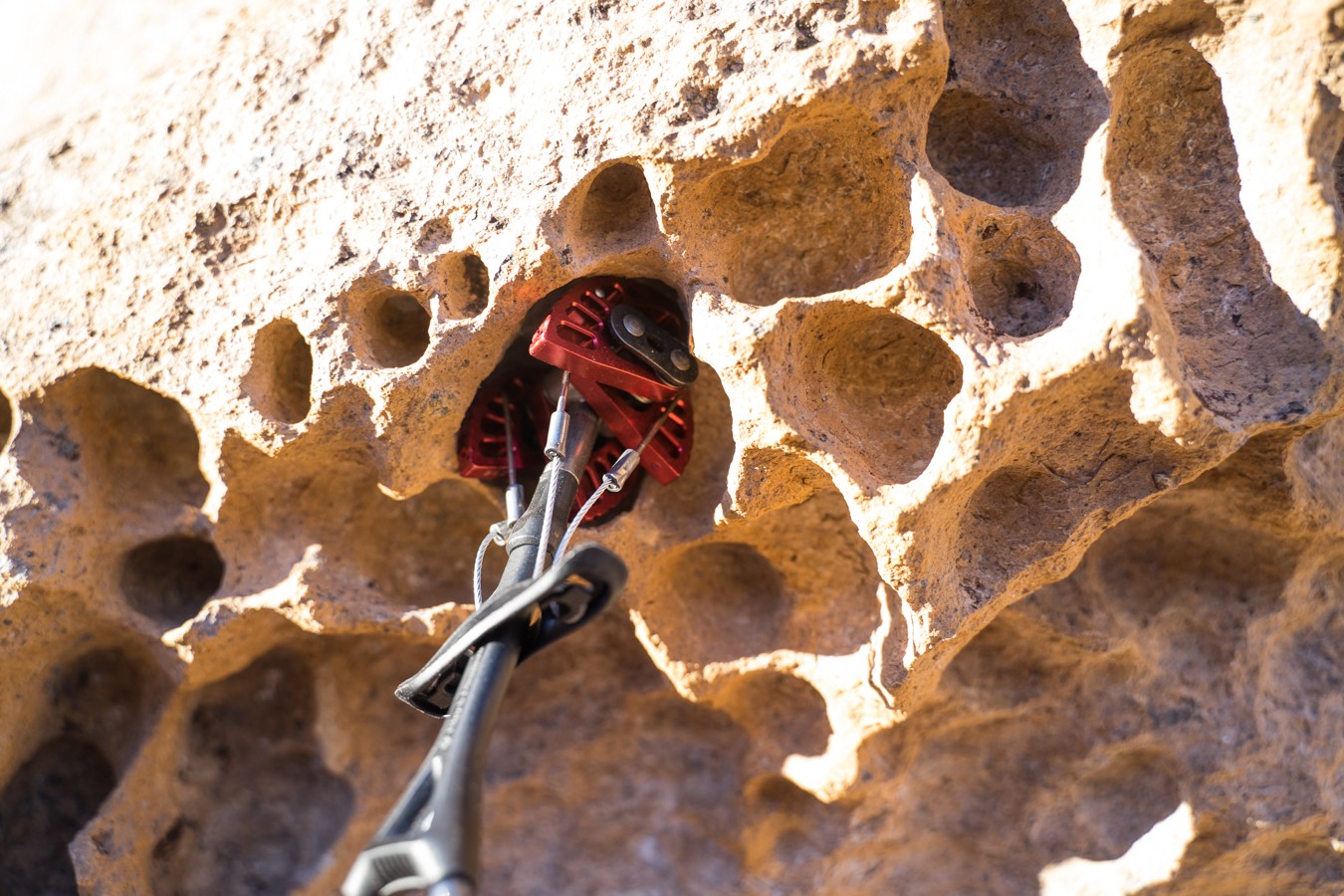
Though not the lightest, Black Diamond C4s are awesome for free climbing! The low profile single stem design makes for plenty of room on your gear loops, and the color scheme for size identification is so well known among climbers that Wild Country and DMM have opted to used the same size/color combinations. The thumb loop makes a huge difference when placing gear under duress. While climbing at Indian Creek, our testers would strategically place cams without thumb loops down low, saving their C4s for higher when they had to contend with the mega pump. The stems on the C4 are also rigid enough that in a pinch, you can just shove them in a parallel crack without even pulling the triggers.
For their durability, ease of placement, and overall value, we recommend these cams to any climber looking build their first rack. Down the line, you're likely to pick up more specialized pieces like Aliens, Totem Cams or offset sizes, but the Black Diamond C4s will last pitch after pitch.
C4s are durable, reliable, and our testers have used them for years. We think they are an excellent investment in your climbing future, especially compared to their more expensive, less durable ultralight cousins, the Camalot Ultralights. They are also more affordable than the DMM Dragon Cams and the Wild Country Friends, though these cams feature an extendable sling, which could save you a little bit of cheddar since you won't need as many alpine draws.