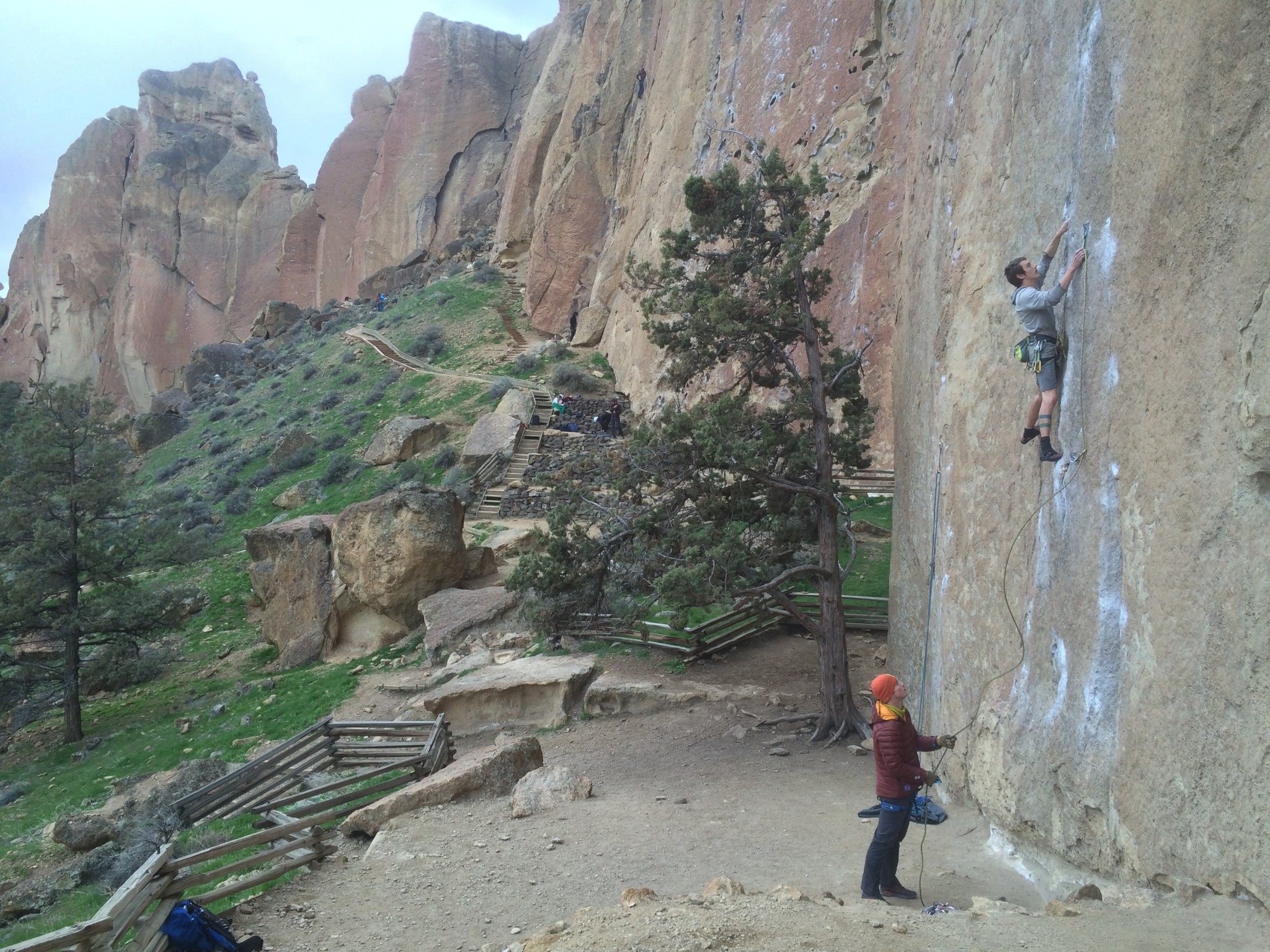

Rock climbing has evolved dramatically over the years, from early ascents of peaks using static military-surplus ropes that broke easily to modern sport climbing where athletes fall sometimes hundreds of times before sending a route. Forces on the belayer have increased as climbers venture into, and fall off of, increasingly steep terrain. Holding these falls is a skill and an art, and a wide array of belay devices exist for the modern belayer to use, from simple tube-style devices that only kink the rope under load to spring-loaded devices that pinch the rope when weighted by the climber above or below. We compare the most popular choices in The Best Climbing Belay Device Review, and offer our thoughts on the suitability of each device for different types of belaying. In this article, we'll break down the different types of belay devices and explain how to choose the best belay device for your climbing style and preferences.
Types of Devices
There are three different types of belay devices included in this review: Tubes, Passive Assisted Braking Devices, and Active Assisted Braking Devices. All of these are designed to be used clipped directly to the belay loop of a harness with a locking carabiner. There is also another method of using some of them, the Auto-Block mode, which is a means of belaying the second up a pitch by attaching the belay device directly to the anchor. These four methods are described in much greater detail below.
One belay device that everyone already has with them is the Munter Hitch, provided you know how to tie and use it, which we highly recommend learning. The Munter Hitch can be used to belay both a leader and second and rappel single or double ropes. Although it usually twists your ropes into a coiled mess, it provides an invaluable insurance policy in case you happen to drop your belay device, which can happen.
Tubes
The most basic type of belay device covered in this review is the tube. Modern versions of these devices continue to look less and less like an actual tube, but they're all based on the concept of a tube-shaped slot to pass a bight of rope through. Clip a carabiner to this bight, and the resulting kink produces the friction and braking power. One of the more popular early models was the Black Diamond ATC ("Air Traffic Controller"), and this acronym is sometimes used to refer to the entire category in North America. Although the original ATC is still available, many of today's best-performing tubes are asymmetrically shaped to give stronger braking force. They include a toothed groove on one side that “bites” the rope better when catching lead falls. Most tubes include two slots to enable you to belay with half and twin ropes and rappel on two strands. We reviewed four devices in this category: the Black Diamond ATC XP, Petzl Verso, Black Diamond ATC Guide, and Petzl Reverso, but there are many more available. Additionally, the ATC Guide and Reverso also feature auto-block capability.
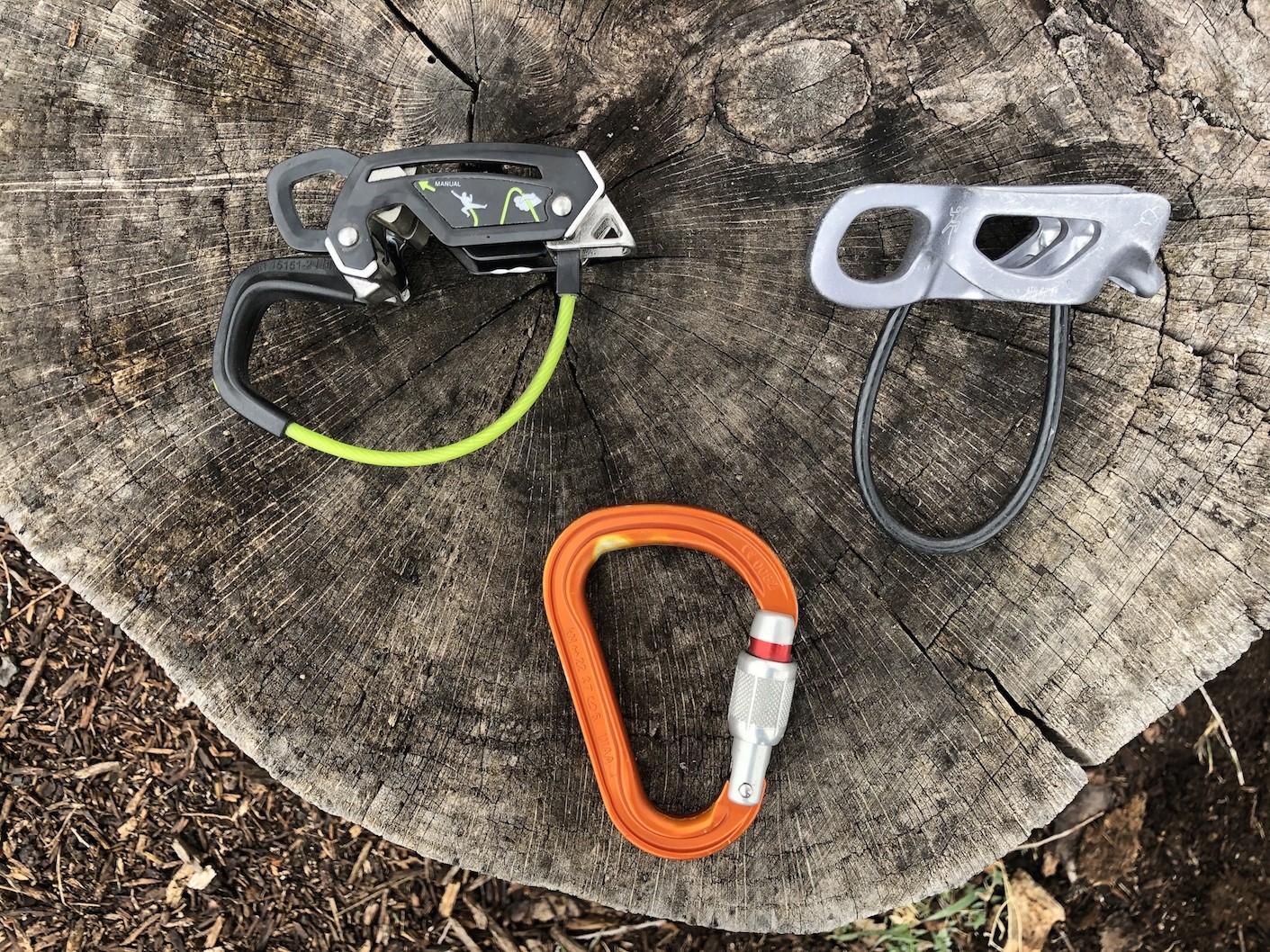
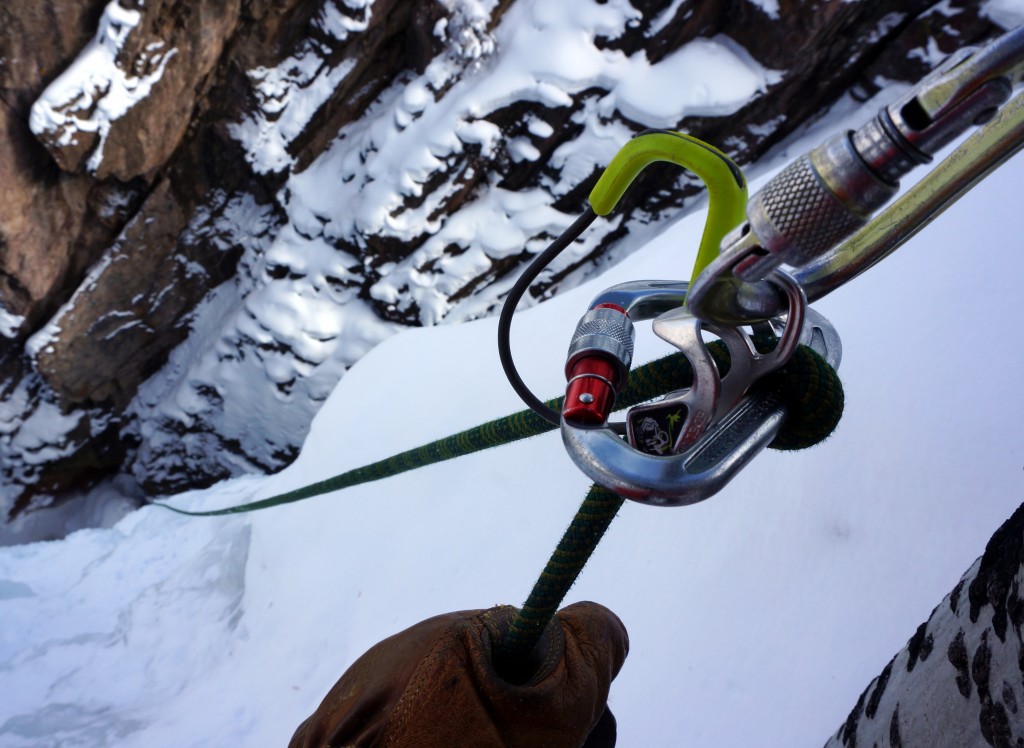
Two other new devices also fit into this category, the Edelrid Giga Jul and the Wild Country Revo. The Giga Jul is a versatile tube-style device that has a toggle switch allowing it to be used either in “manual” mode (as you would any other tube) or in assisted braking mode, where the carabiner provides a passive assist. It also has auto-block functionality. The Revo looks nothing like your typical tube-style device and yet functions exactly the same in terms of technique used to belay. The catch is that it has an emergency locking mechanism that backs up your belay, adding a level of safety not found in other tube-style devices. That said, it can only be used with one rope and does not have auto-block abilities.
Auto-Block
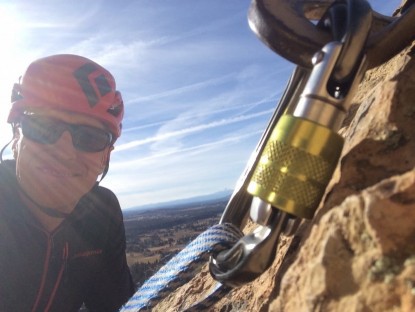
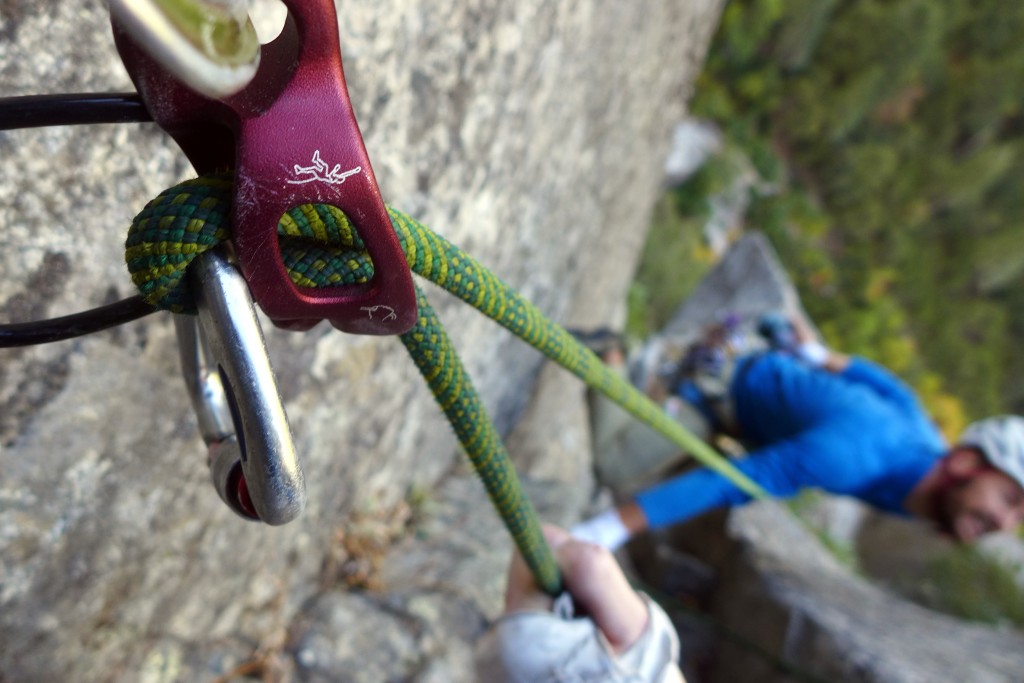
Auto-block devices, sometimes called 'guide' devices, are tube derivatives that include an extra hole to clip the device into an anchor. This allows you to belay a climber directly off the anchor, avoiding uncomfortable pulling on the harness and also for the belayer to enjoy additional braking friction. The belayer needs to be especially careful to orient these devices the correct way, just as you would when loading the belay device on the ground, or they will not provide the auto-block. They automatically lock by creating friction between the two ends of rope running over each other. The second climber's end of rope is on top and pinches the brake end of rope beneath it when there is tension. Most passive and active assisted braking devices can also be used in auto-block mode off the anchor since they already have a rope pinching mechanism in their design, but they don't all work in the same way.
Belaying in this manner is ideal for multi-pitch routes or belaying two followers at once. The extra automatic braking frees up a hand, too, letting a belayer snack, rehydrate, or snap photos at the same time. But, never take your braking hand off the rope or ropes under any circumstances, as in some rare cases, the auto-blocking orientation can be defeated by rock features or by the two following climbers pulling in different directions. The drawbacks to auto-blocking tubes are slightly higher weight, cost, and complexity. Belayers also need to be experienced enough to handle the sometimes involved procedures to lower a hanging partner in auto-block mode. Check out our specs table to see which devices allow for belaying directly off the anchor and which don't.

Assisted Braking: Passive vs. Active
The next step up in sophistication is assisted braking devices (ABDs). These devices, also called “assisted locking,” use various mechanisms to pinch the rope and automatically catch a fall. However, the automation and reliability of this catch are not fool-proof, so we refrain from using the popular but incorrect term, “auto-locking.” No matter the belay device, always keep your braking hand on the rope(s).
ABDs are great because they reduce the grip strength required to hold a hanging partner, letting you save your energy for climbing instead of belaying. Their safety benefits, though, are more dubious. If you allow their automatic braking capability to encourage bad belay techniques, they can become as dangerous as any other type of device. Their function also requires more complicated hand motions that can create their own accidents or inhibit precise rope management, which is especially crucial for near-ground clips. The safety benefits of ABDs far outweigh their detractions, and we recommend all climbers, from beginners to experts, own and correctly use ABDs for most styles of climbing.
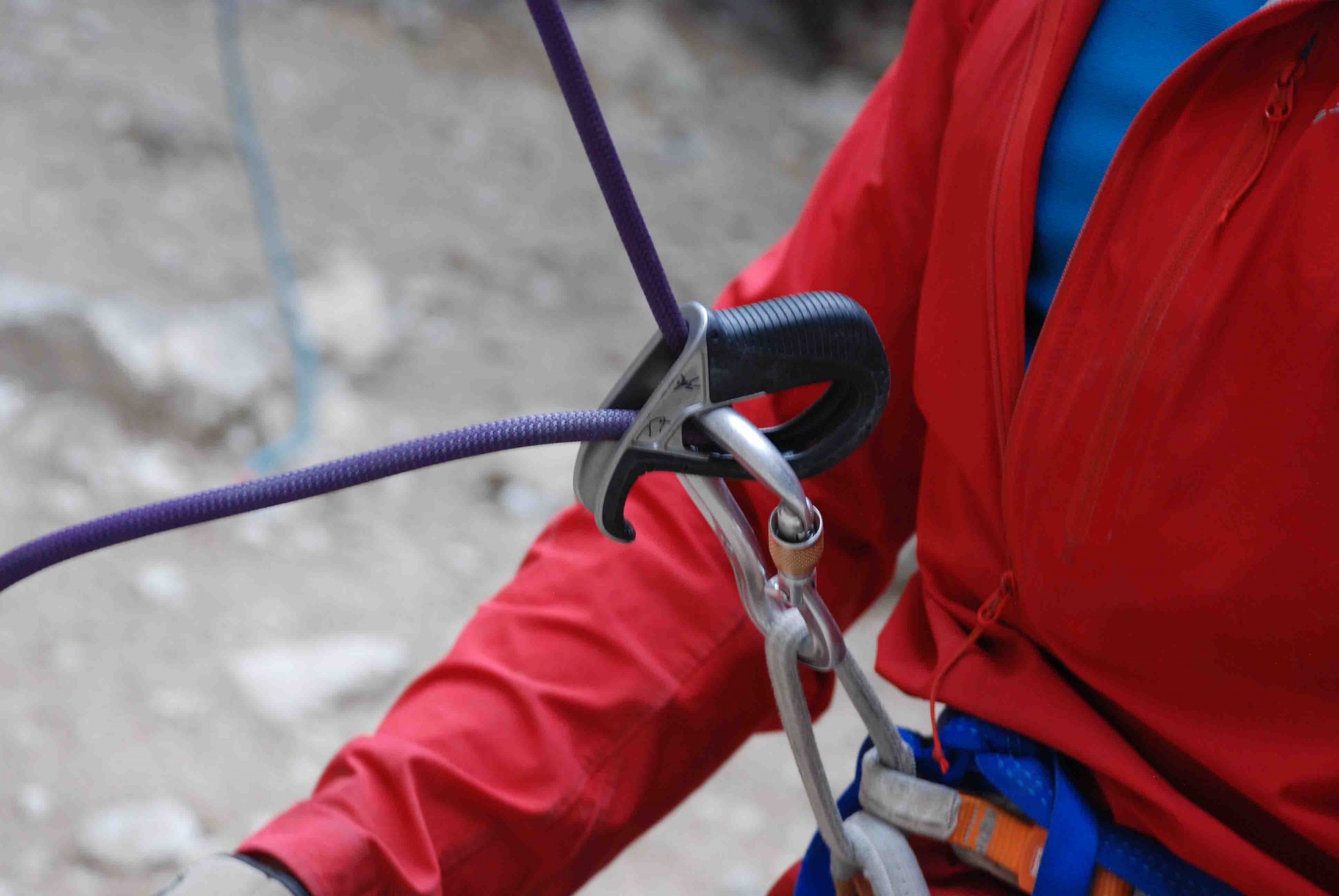
PassiveWe separate today's ABD options into two categories: passive and active. Passive ABDs generate their braking power by pinching the rope between the device and a carabiner and are dependent on the position of the brake hand (classified under UIAA En 15151-2, "Manual braking devices"). These devices are lighter and less expensive than their active counterparts and are sometimes capable of double-strand rappels. However, their performance is highly dependent on the type of carabiner used. We tested the Edelrid Giga Jul, Black Diamond ATC Pilot, Mammut Smart 2.0, Climbing Technology ClickUp+, Mammut Smart Alpine, and Edelrid Mega Jul in this category.

Active
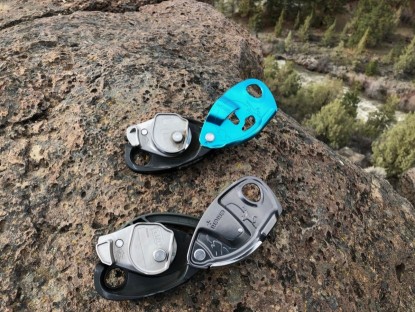
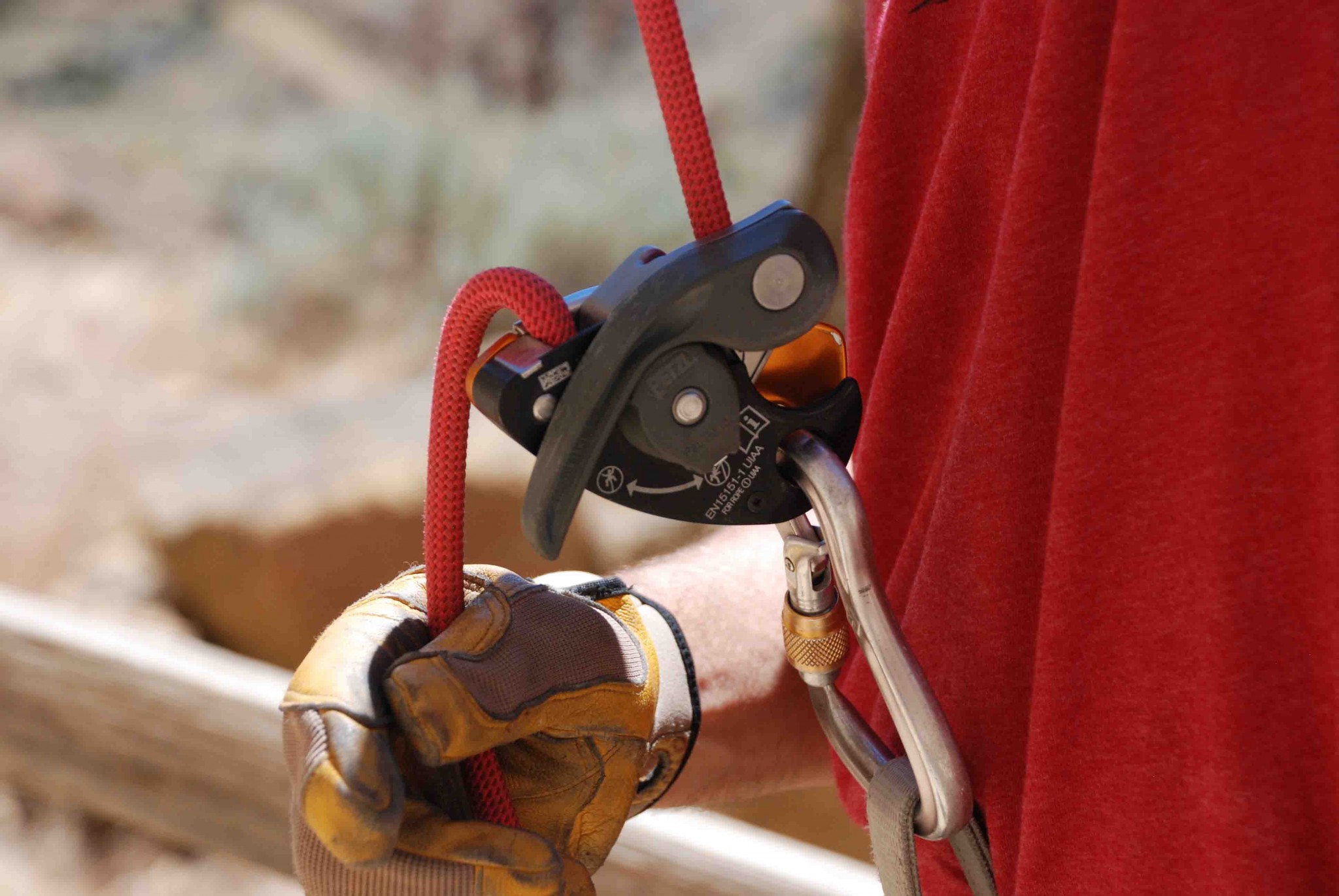
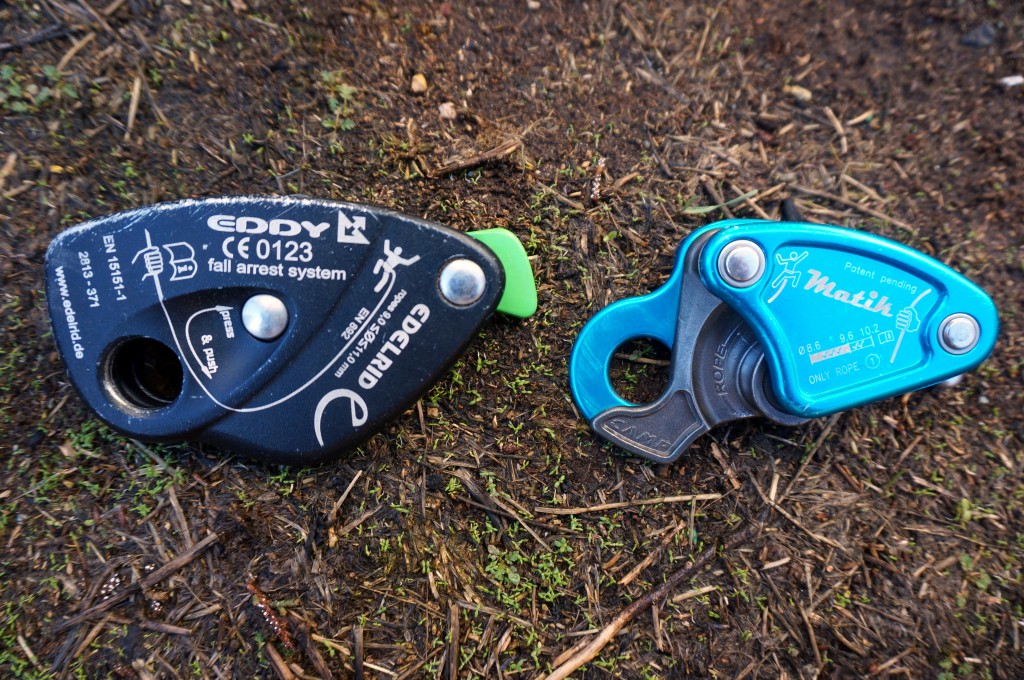
Active ABDs generate their braking power with a variety of mechanisms inside the device itself. They're not dependent on the position of the brake hand or the carabiner used (classified under UIAA EN 15151-1, "braking devices with manually assisted locking"). These have become the most popular and common devices for sport climbing and most cragging. While they often require a long period to learn the very specific techniques required to safely use them, they quickly become the devices that require the least effort to belay with. Our review includes the Petzl GriGri+, Petzl GriGri, Trango Vergo, Edelrid Eddy, Mad Rock Lifeguard, and Camp Matik. These devices are the most expensive but provide the greatest braking power, handle smoothly, and are our favorites for most belays.

The Right Tool for the Right Job
The selection of belay devices has grown large and specialized enough that it's now essential to choose the right tool for the right job. Despite what the marketing material might tell you, no device can do it all (at least not well). Therefore, we believe the best way to approach a belay device purchase is by first deciding what type of climbing you intend to do. Then we can explore the devices suited for that discipline.
Cragging: Sport, Trad, or Gym
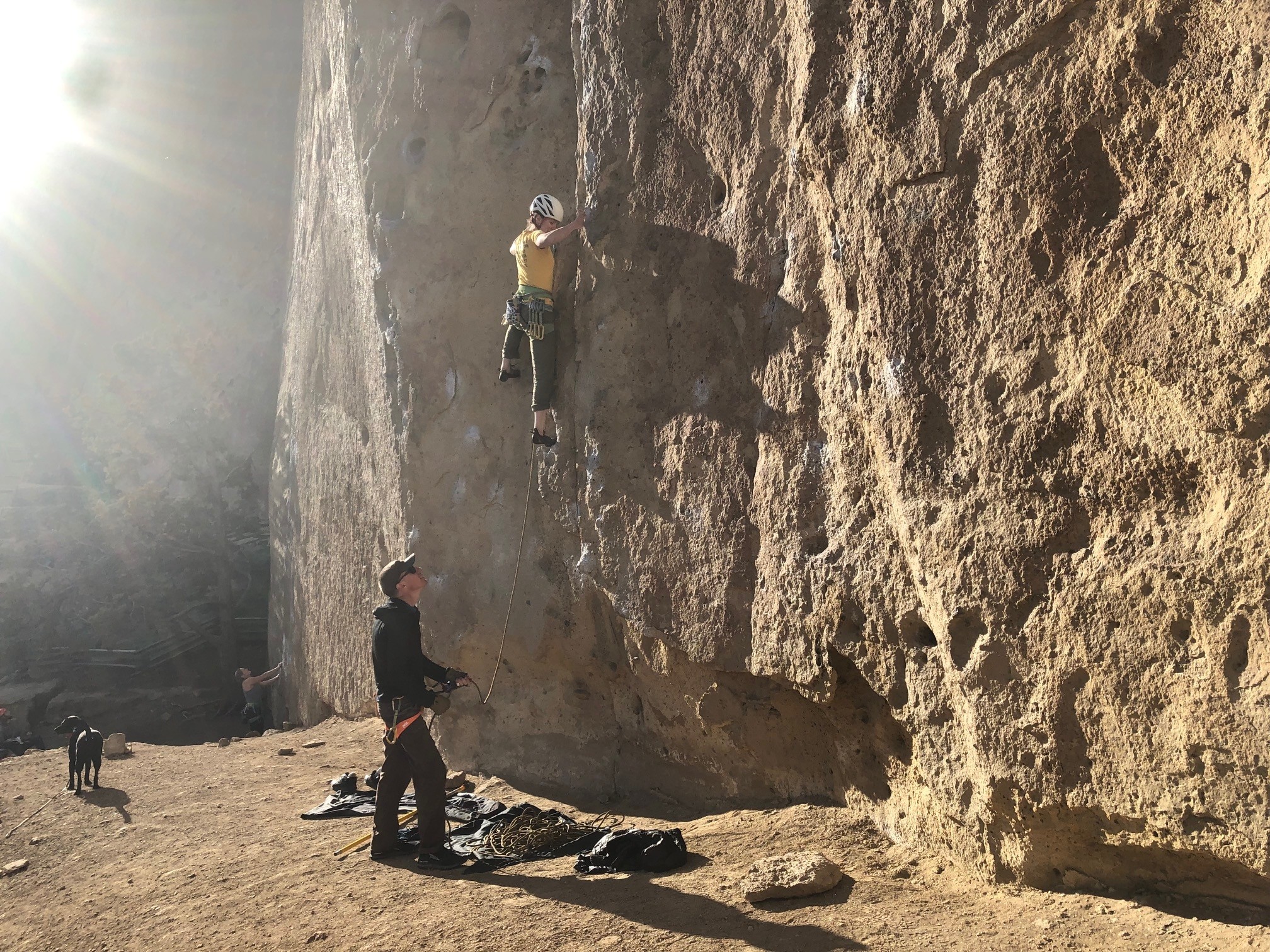
No matter the type of protection or the medium, climbing single-pitch routes places certain demands on a belay device. Falls and resting on the rope are common, so good braking assistance and lock-off strength can make belaying a lot easier. Partners also frequently ask to be lowered to the ground instead of rappelling. Finally, weight and size can be overlooked in favor of convenience and toughness when you don't have far to walk. For these reasons our favorite device for cragging is the Petzl GriGri+ for most climbers, as well as the standard GriGri.

They both have the smoothest belay action of any assisted locking device combined with a reliable catch and pleasant lowering. Of course, they are limited to single ropes only, but this doesn't matter when the belayer's feet never have to leave the ground. If the GriGri+'s price tag seems outrageous to the occasional cragger, consider a passive assisted braking device. These will provide some extra bite and good lock-off strength but for less than half the cost. The drawback, though, is in smoothness and ease of use.
Multi-Pitch Climbing
Whenever you get a rope-length off the ground, it's wise to have a device that can get you back down. While there is always the option of walking off (if the route allows) or simul-rapping, it is wise to take into consideration the worst-case scenario and have a device capable of rappelling two strands of rope, which is the most common form of rappel anyway. Multi-pitch climbing can also be made easier with devices capable of belaying a follower (or two) directly off the anchor. Although we know many multi-pitchers don't use auto-block mode, it can greatly enhance your comfort, and we see few reasons not to use it.
Moderate Classics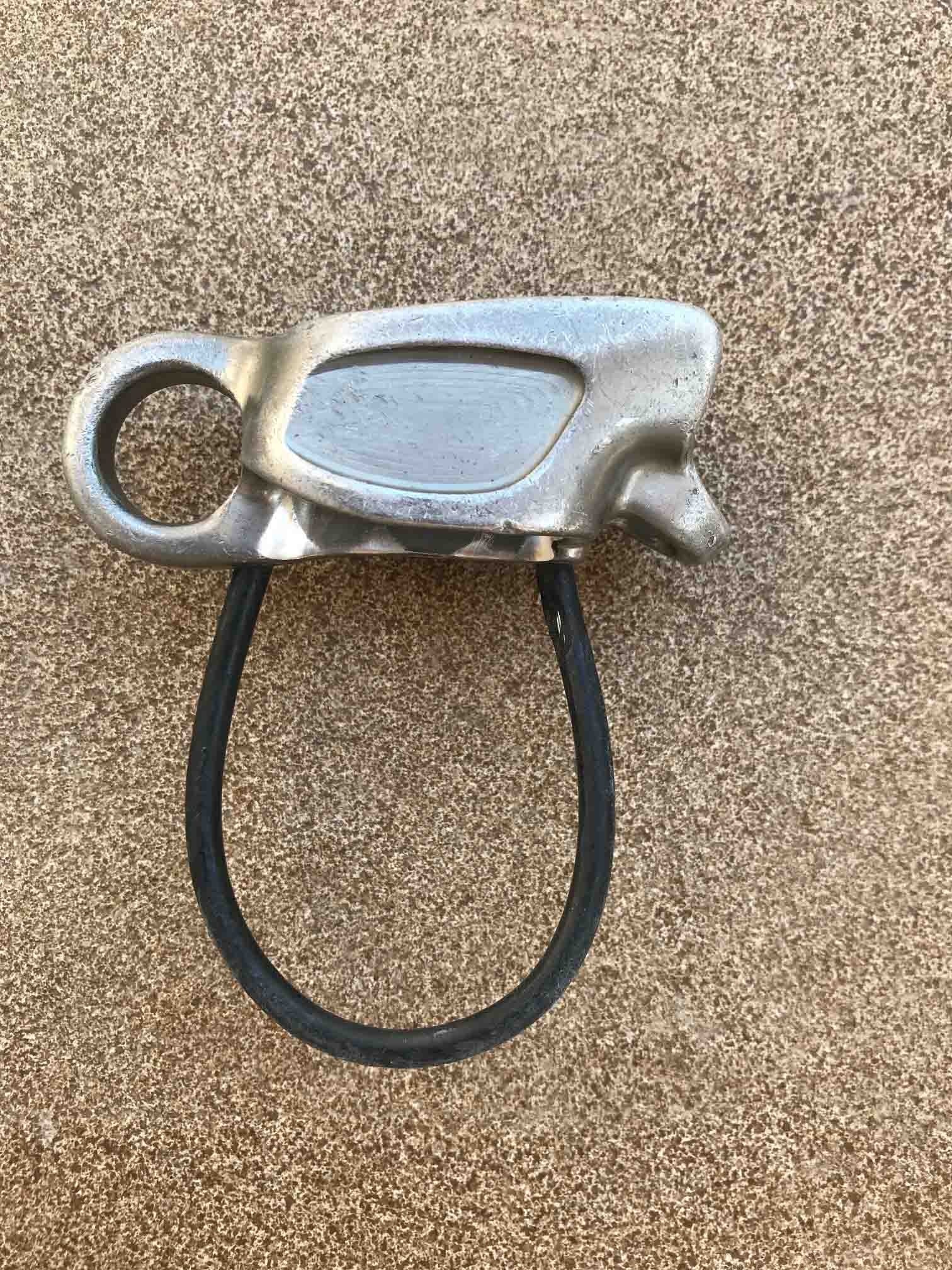
Hard Free Climbing or Big Walls
For multi-pitch routes closer to your free climbing limit or for big wall aid routes, we prefer to take a GriGri along. This can give the leader greater confidence in the catch and save the belayer's hand strength after they make one. Prudent climbers will still need to bring along a dual slotted tube device for rappelling. Your choice for this purpose should be whatever is light, small, and available.

Alpine Climbing
In the winter, things can change dramatically. Ice climbers and alpinists often climb with skinny twin or half ropes and rarely take falls. For these situations, we think the ideal device is the Edelrid Giga Jul. The follower belays the leader with the Giga Jul's braking assistance. When the leader stops, they can bring the follower up in auto-block mode.
All climbers need to be safety conscious, but we realize some are willing to sacrifice extra comfort, money, and convenience to minimize their risk further. Two ways to improve safety that we think all climbers should embrace are belay gloves and belay glasses. Gloves not only save your skin but allow you to stop an out-of-control rope without getting terrible burns. The benefits of belay glasses sound less significant but, in our experience, are just as dramatic. They use prisms or mirrors to reflect light so you can keep your neck in a neutral position while watching your partner climb. The side-effect is you become a much more attentive belayer. No more neck pain and no more surprises from unannounced falls.
Belaying accidents are most commonly attributed to user error. However, user error is more likely when the belay technique needed is complicated or unfamiliar. One knock on active ABDs is that they require complicated belay techniques, creating the potential for more accidents, and there have been accidents where the particular features of the device contributed. As with any belay device, proper technique is paramount.
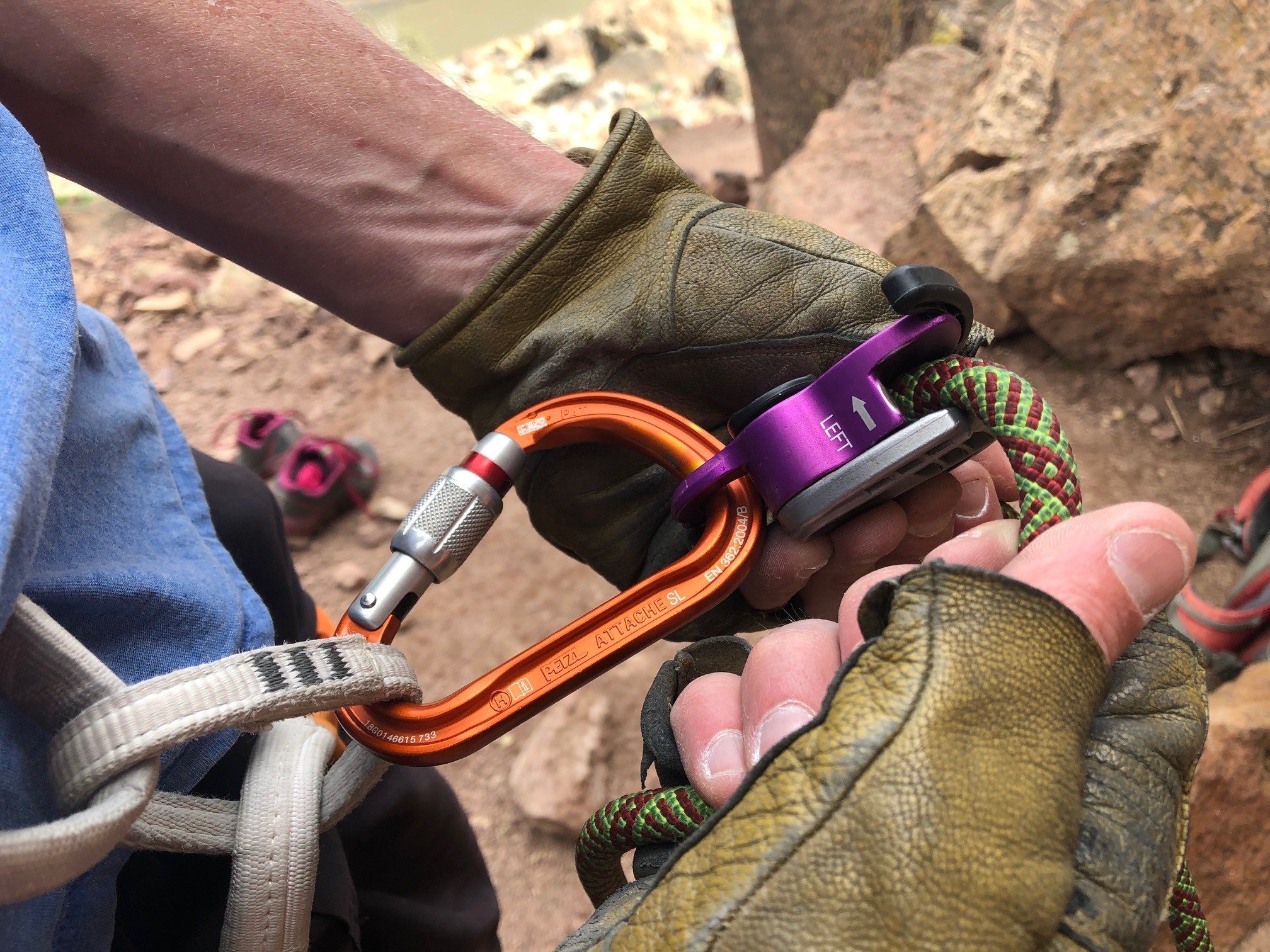
Make sure you know how to use your device properly. All the active assist devices use different techniques, which are not necessarily intuitive, so don't try to just figure them out at the crag. Watch videos to learn the necessary techniques beforehand, and practice in your living room (or outside if you live in your van!). We were surprised by how much time it took to master each device that we tested.
Conclusion
Whatever device you choose, learn all you can about it. Read the manual; watch videos. Take your belay responsibilities seriously. You only have to thumb through Accidents in North American Mountaineering to realize how dangerous this sport can be.