REASONS TO BUY
Lightweight
Can be pitched in freestanding mode
Large 'rainy day' entryway
REASONS TO AVOID
Low condensation resistance
Small doors
Tricky set up


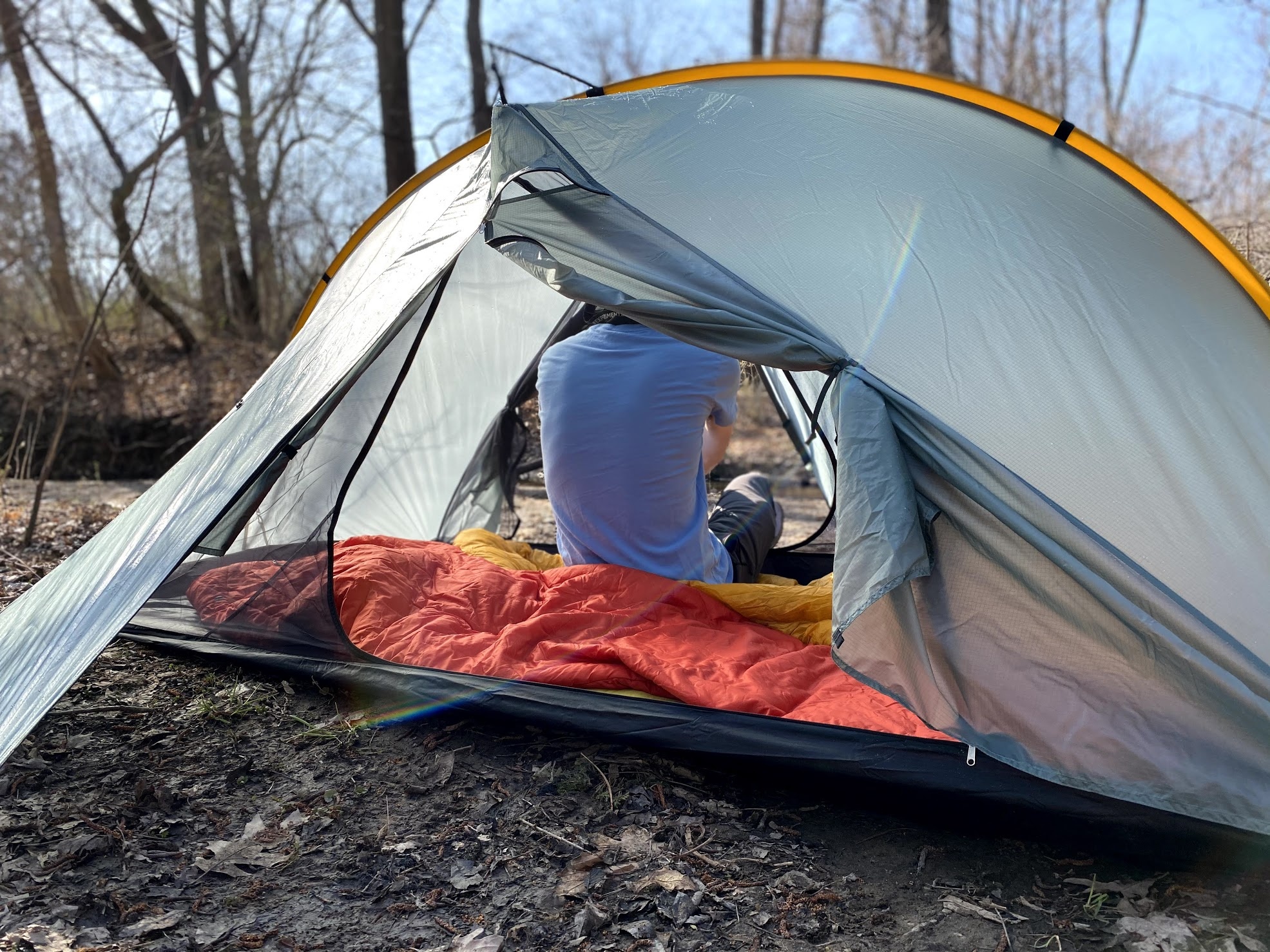
This tent offers a lot of unique design features that make it well-suited for longer backpacking trips. It also comes at a great value relative to its most-similar competitors. Though we found it to be more challenging to set up than advertised, it is made of quality materials and proved to be a lifesaver when setting up in the rain.

The Double Rainbow is comfortable for its size, especially for tall, skinny sleepers. Its 88-inch length is more generous than most other sub-three-pound tents in this review. We also like that it has a rectangular, non-tapered footprint. It has a fairly uniform height from door to door, which means that two people can more or less sit up at the same time without their heads bumping up too much against the ceiling. However, if you install the optional condensation-resistant liner, it removes a couple of inches of functional headroom.
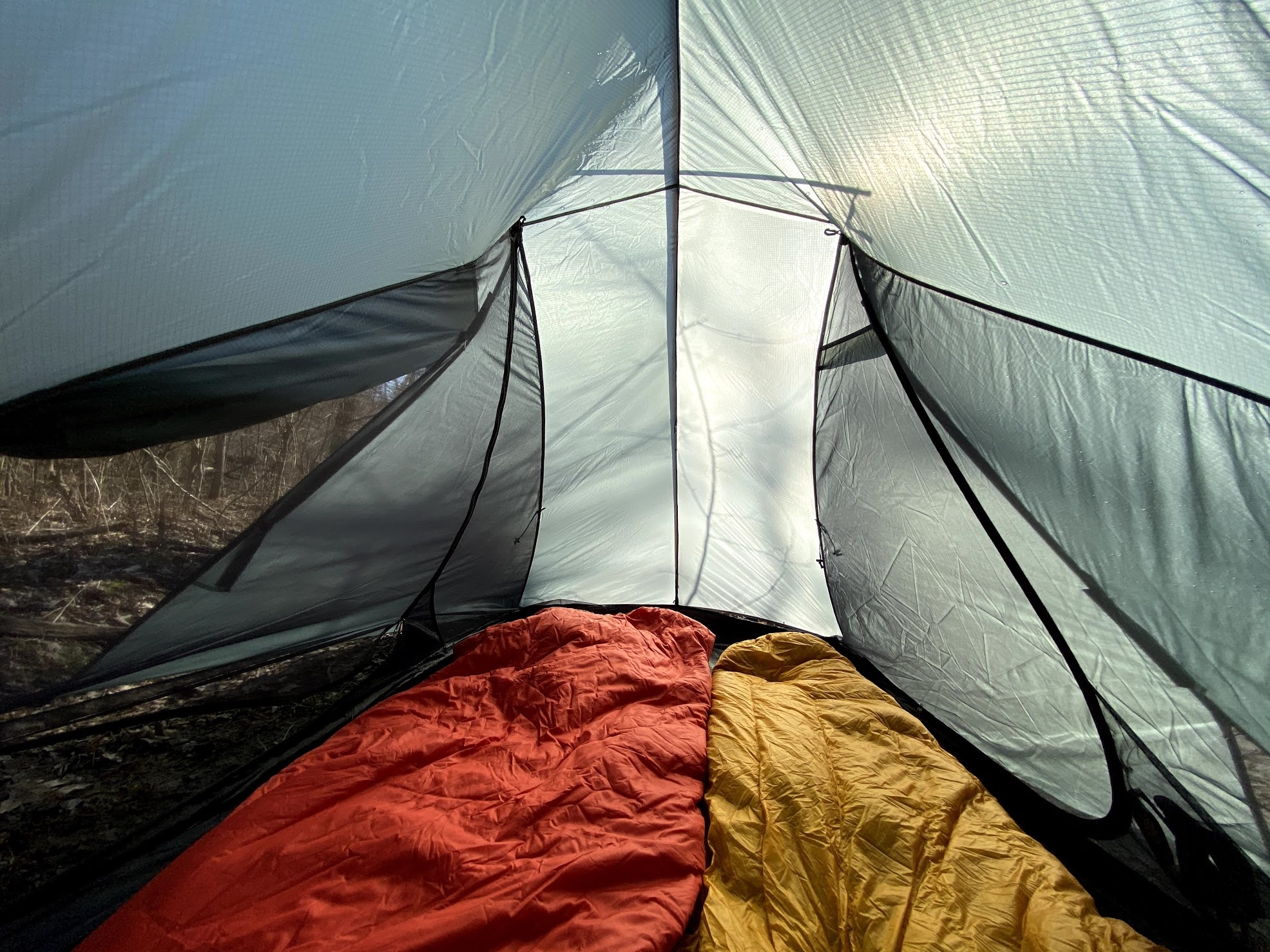
It has two side doors and two 7.5 square foot vestibules — again, comparable to or larger than its close lightweight competitors. They are large enough for most backpacks and a pair of boots, though you might have a strap or belt sticking out from underneath. If you open up the fly into the rainy-day porch mode, the vestibule space becomes significantly more generous. The zippers on the doors run at almost a 90-degree angle (as opposed to the gradual elliptical shape found on a lot of tents). This makes them a little more challenging to open while lying down. It is also worth noting that the doors open in opposite directions from each other, suggesting that sleepers are meant to orient head-to-toe.
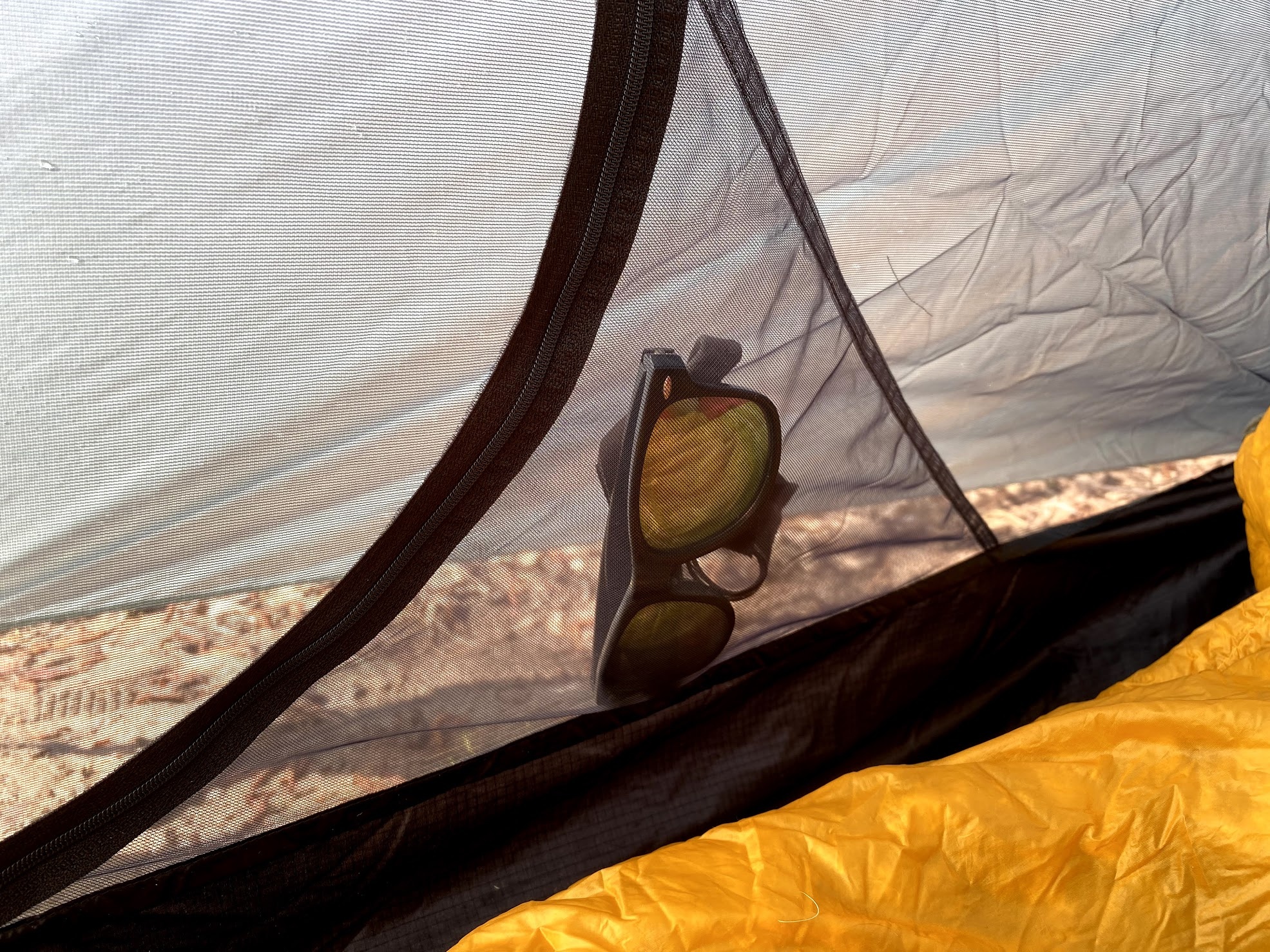
Tents this light typically try to shave ounces by minimizing the number of gear storage pockets. The Double Rainbow is no exception. It has two of them — one by each door. They can accommodate a small notebook or a smartphone, but nothing much larger.
The Double Rainbow has decent weather resistance. Its sil-nylon fly offers very good protection from precipitation. The zippers are fully waterproof, which is a nice plus, and the fly also runs down almost all the way to the ground to limit splashback. We found that the materials are, on the whole, waterproof for longer and in heavier rain than almost any other model.
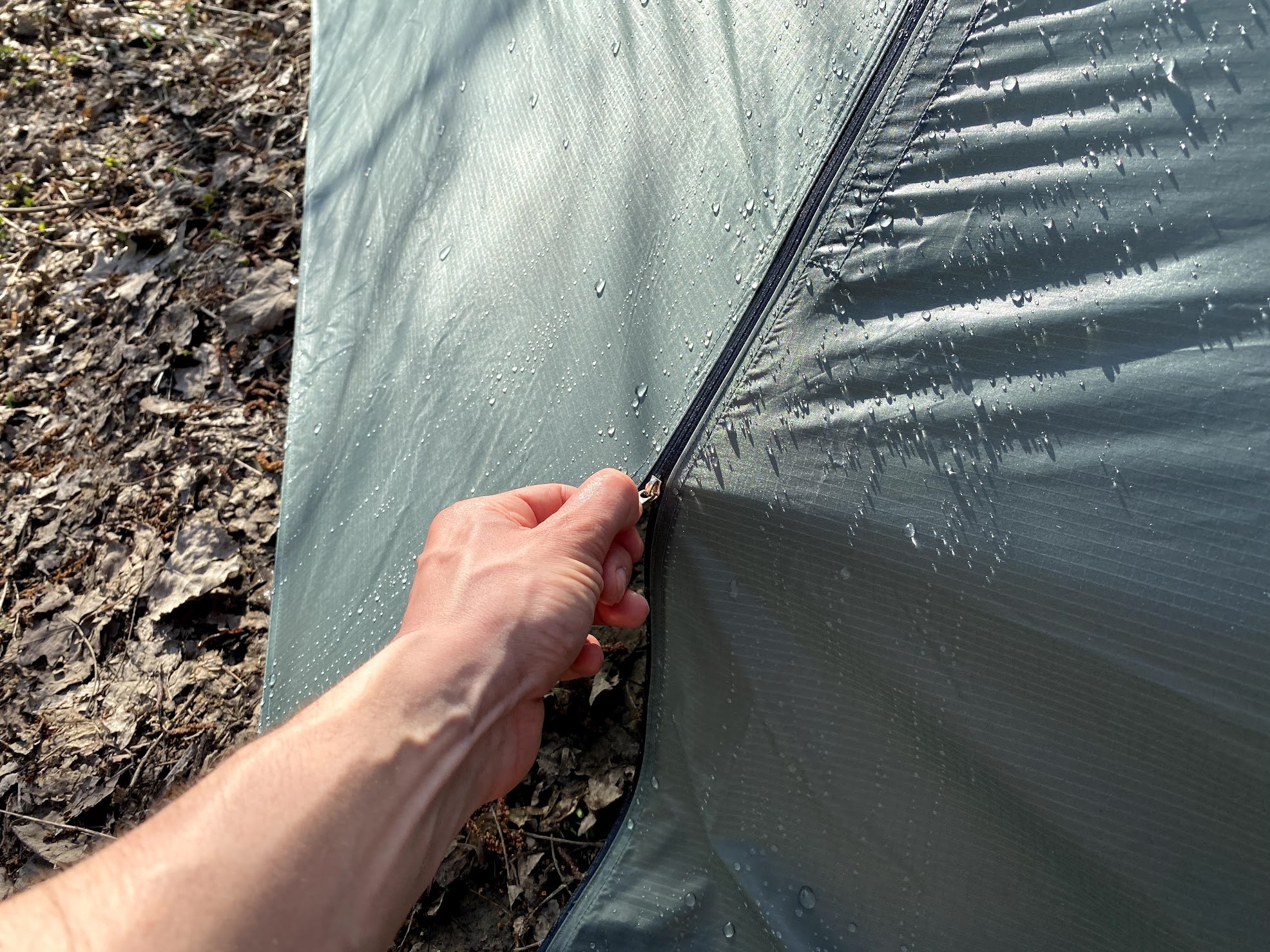
However, the tent doesn't come with any additional guyline, which is unfortunate because its minimalist pole structure can struggle in heavy winds. Its cylindrical stakes also pull out more easily than hex- or chevron-shaped ones. The sides of the floor rise about 5 inches off of the ground, but the zippers run so close to the ground that we found it was challenging to keep leaf debris from finding its way in.
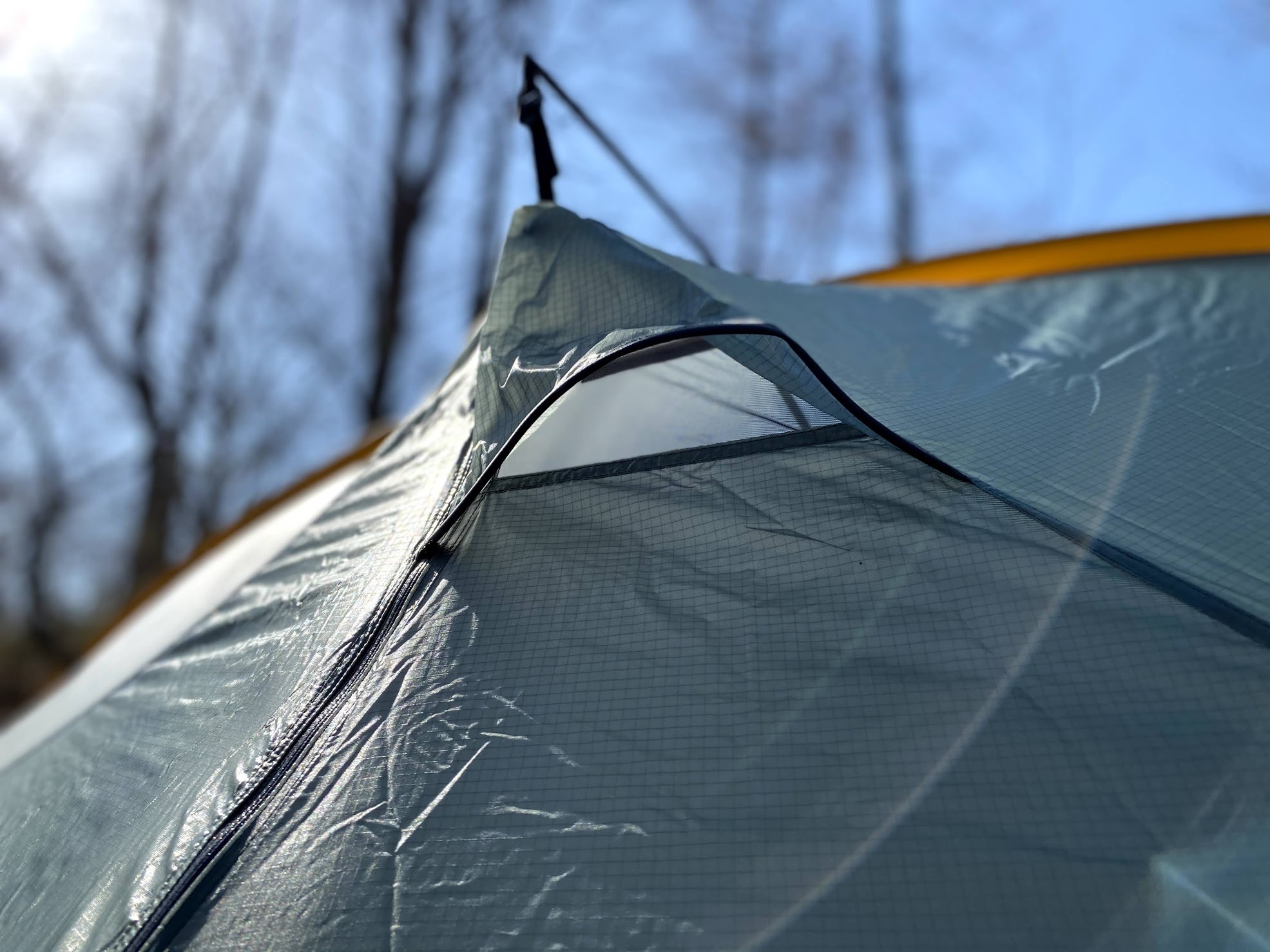
The embedded fly also comes into play here. It's awesome that you can set up the tent in the rain without getting the interior wet. However, because there is no mesh canopy overhead, Tarptent had to solve for ventilation in other ways. There are mesh panels at both ends of the floor, which means that it is really important to make sure all of the interior clips of the waterproof portion are fastened to the wall to ensure that water doesn't flow in.
There is a small vent above each vestibule. Each fly zipper can also be opened from the top and propped open. However, the most effective way to increase ventilation is to open the fly completely. If you plan to camp in cooler temperatures and that's not an option, we recommend purchasing the interior liner. This lightweight piece of white nylon attaches to clips inside the fly. It creates a barrier of warmer air in cold weather (and keeps sun rays from directly penetrating the tent body in warmer weather), catches condensation, and prevents you from knocking tons of water onto you and your gear if you bump your head against the fly.
This tent is a feathery two pounds, 10 ounces. As one of just a few sub-three-pound two-person tents, it is truly exceptional in this metric.
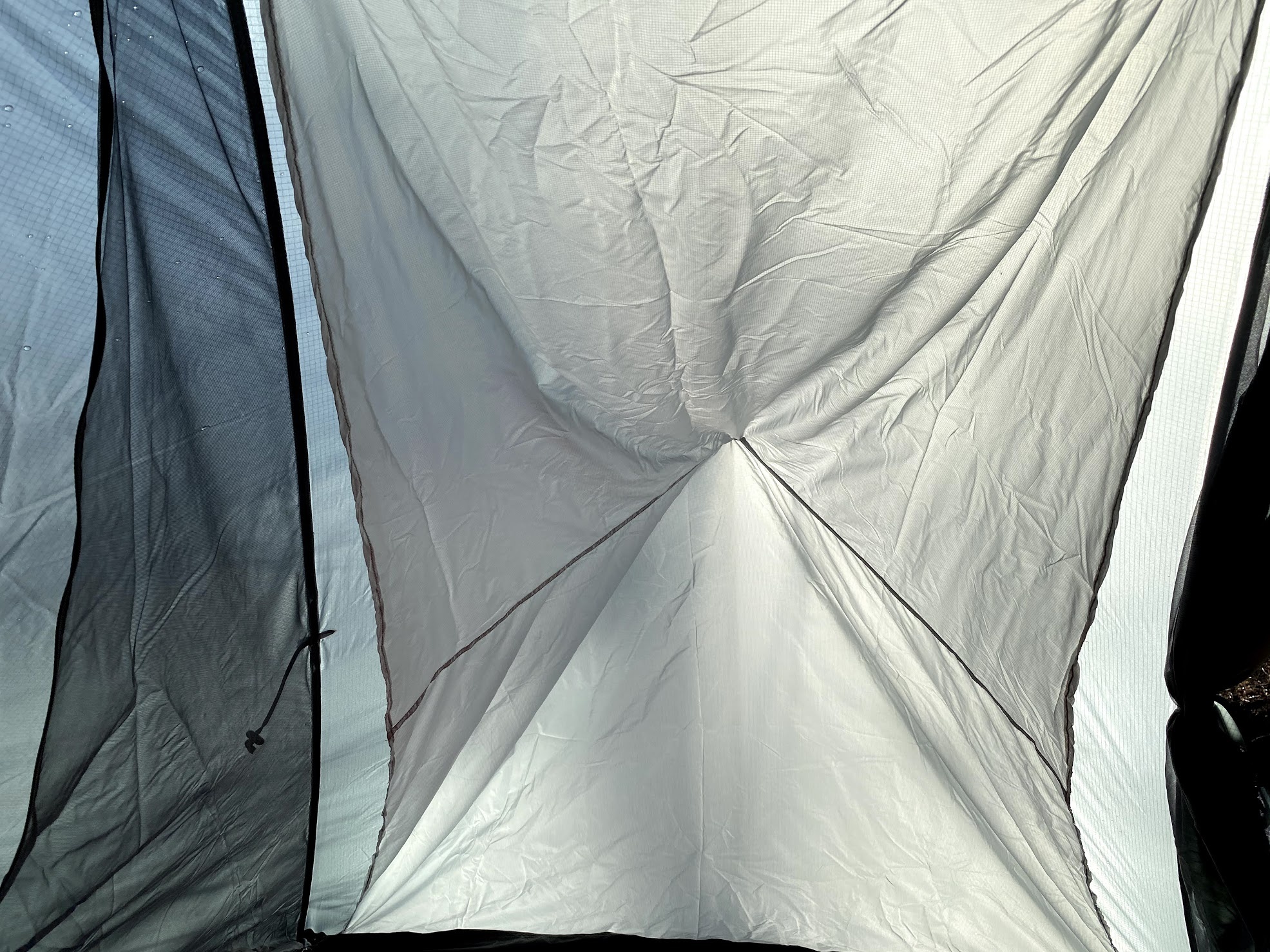
Compared to its lightweight counterparts, the Double Rainbow stacks up well. Its 30D silicon-coated fabric is on par with the field; it's always a tradeoff between fabric durability and weight, which we think the Double Rainbow balances well. We didn't have any issues with it during testing. The only strike against this tent, as mentioned above, is that it requires seam sealing prior to using it to ensure that it is fully waterproof.

The Double Rainbow is a little trickier to pitch than it initially appears. Its minimalist pole structure and atypical tent design provide flexibility, but that comes at the cost of intuitiveness. The default set up, that is, how you would pitch it with only what comes in the bag, requires a primary pole that runs head-to-toe and a supporting crossbar that inserts perpendicular to the main pole. A stake at each corner and one in each vestibule provide the tension required to give this tent its volume. In practice, we found that it actually requires some re-staking to achieve a proper pitch.
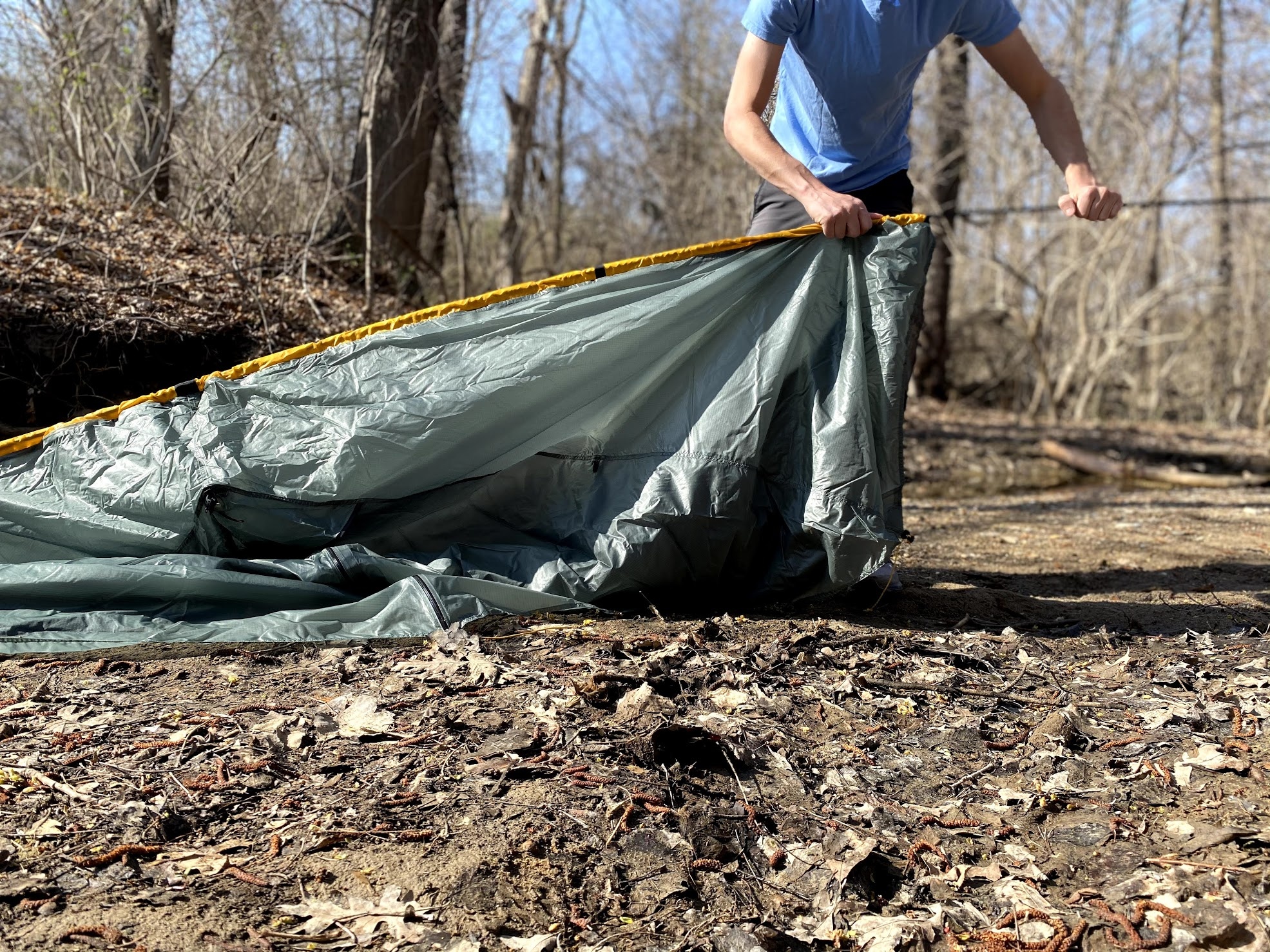
Alternatively, you can use two trekking poles in combination with the included poles to set it up as a freestanding tent. This can be a useful design feature if you find yourself on rocky or otherwise hard-to-stake ground. The downside to this configuration is that the trekking poles need to be at least 140cm long to fit in the sleeves at the corners of the tent (many models extend only up to 130cm). If you have two sets of poles, you can use the other to set up the 'rain porch', a feature that enables you to raise up the vestibules off of the ground and make a little outside shelter. If you have purchased the optional ceiling liner, it requires some fine motor skills to install but may very well be worth the time and effort.
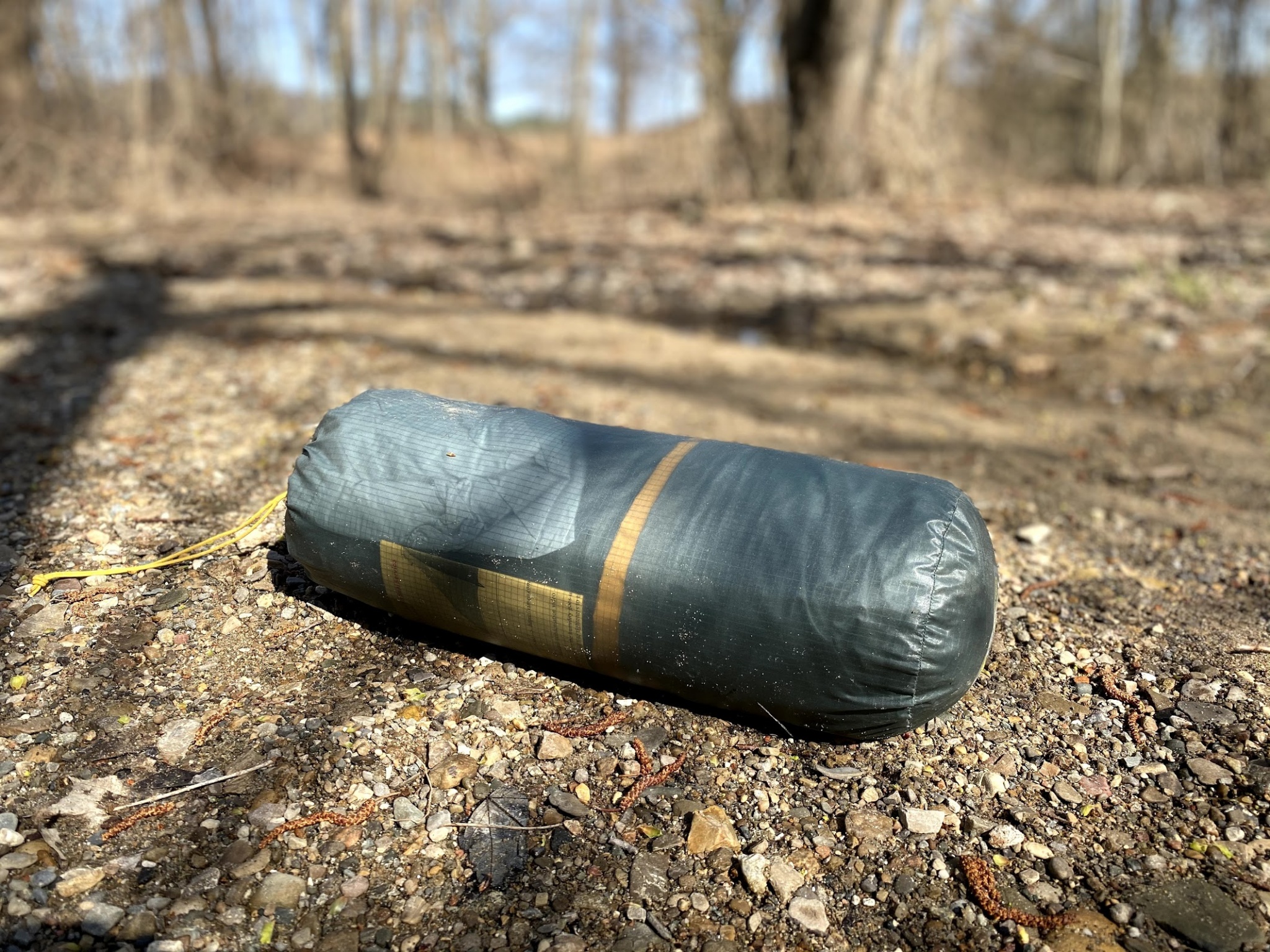
The Double Rainbow also manages a smaller packed size than its lightweight competitors. We tend to leave the tent bag at home and found the tent to be highly stuffable. It loses some points because, with the integrated fly, the weight can't really be split between two people (not evenly, anyway). It also can't be packed in two separate sections of a pack, say, if the fly is soaking wet. All in all though, it's really quite a convenient carry.
The Double Rainbow is an excellent value. There are perhaps better, even less expensive options for car campers, but if longer, lighter trips are in your future, this tent is going to offer some of the greatest performance for the least amount of money.
We really like the adaptable features of this tent. It is comfortable, durable, and light. If you are confident in your camping skills, then this solid value is worthy of strong consideration.