
REASONS TO BUY
Crazy lightweight
Most packable in our review
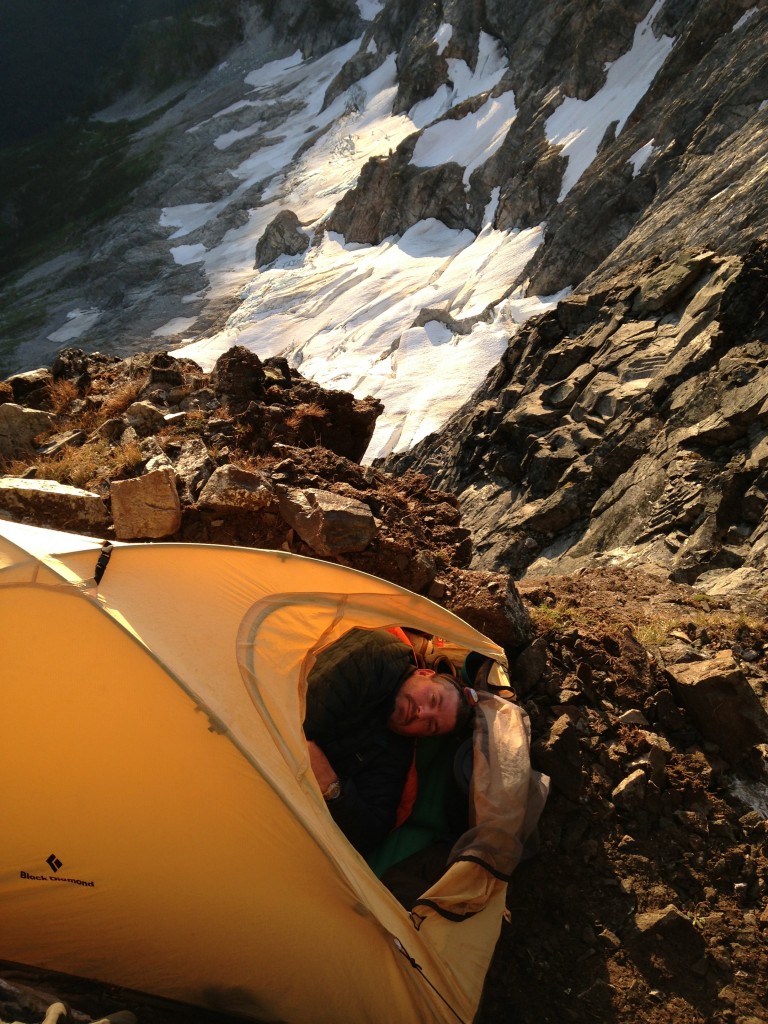
Fits anywhere two people could lay down
Features bug netting
REASONS TO AVOID
Not waterproof
Not as strong as many other options we tested
Small interior living space


Despite a lot of new competition in the market among insanely lightweight bivy tents, the Firstlight is still one of the best models out there. While it certainly doesn't handle every type of trip well, nor is it the most versatile, it is a fantastic option for trips where the weather is likely to be good, and weight and packed size are your top priorities; which in reality is the types of trips most people are going on. It's the absolute lightest model in our review and compresses down to the smallest size of any 4-season tent we tested. Its downside remains the same despite an upgrade in its fabric to NanoShield, which offers improved water resistance but still isn't fully waterproof and in the rain, you are almost certain to get dripped on, and the walls will become thoroughly saturated, soaking anything that touches them.
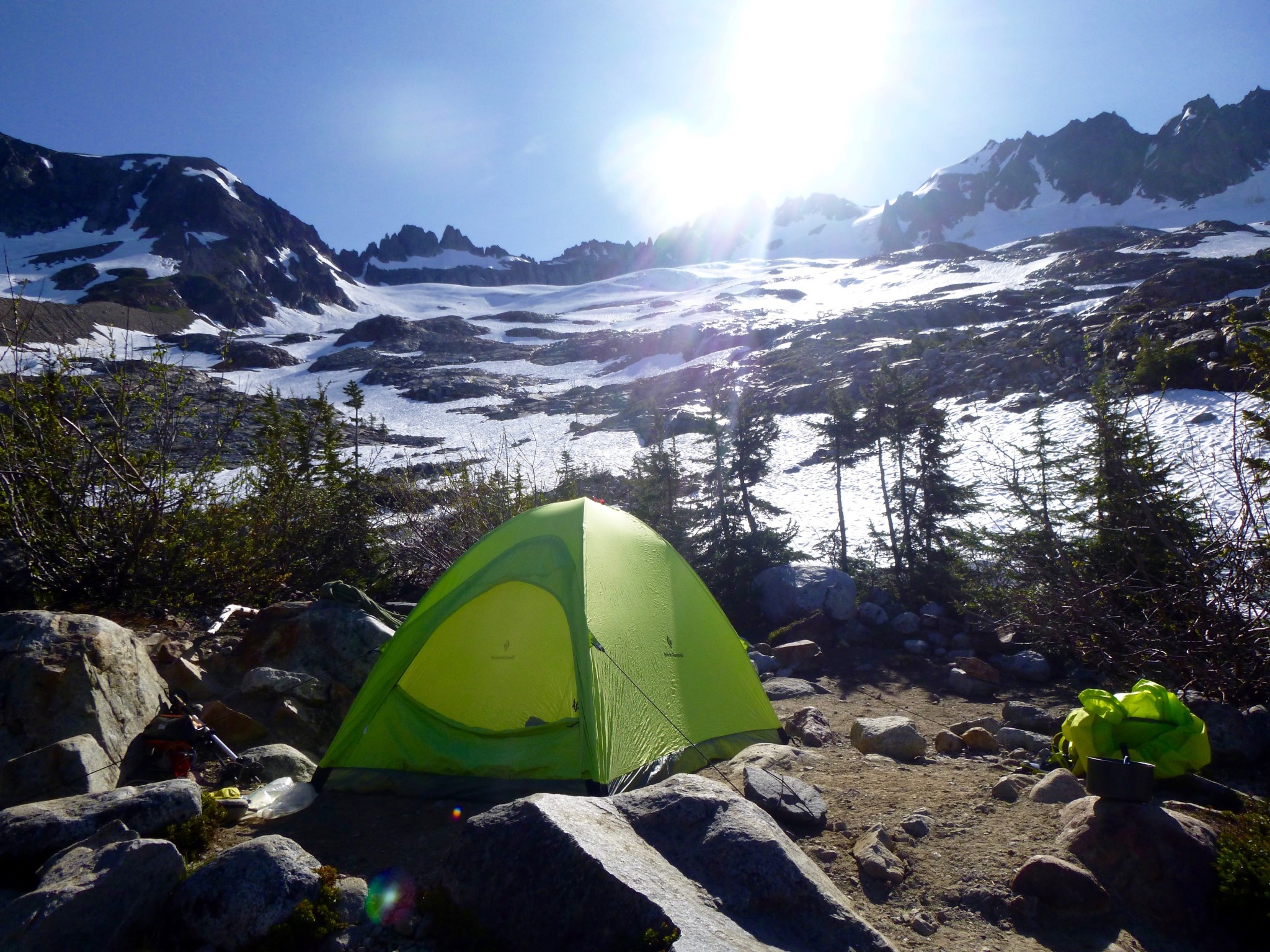
It can handle moderate wind okay but isn't nearly as strong as most of the models in this review. Also, as the internal space is so small, this is certainly not our first pick for spending lots of time inside. However, it's a reliable option for fast and light trips where weight and packed size matter the most.
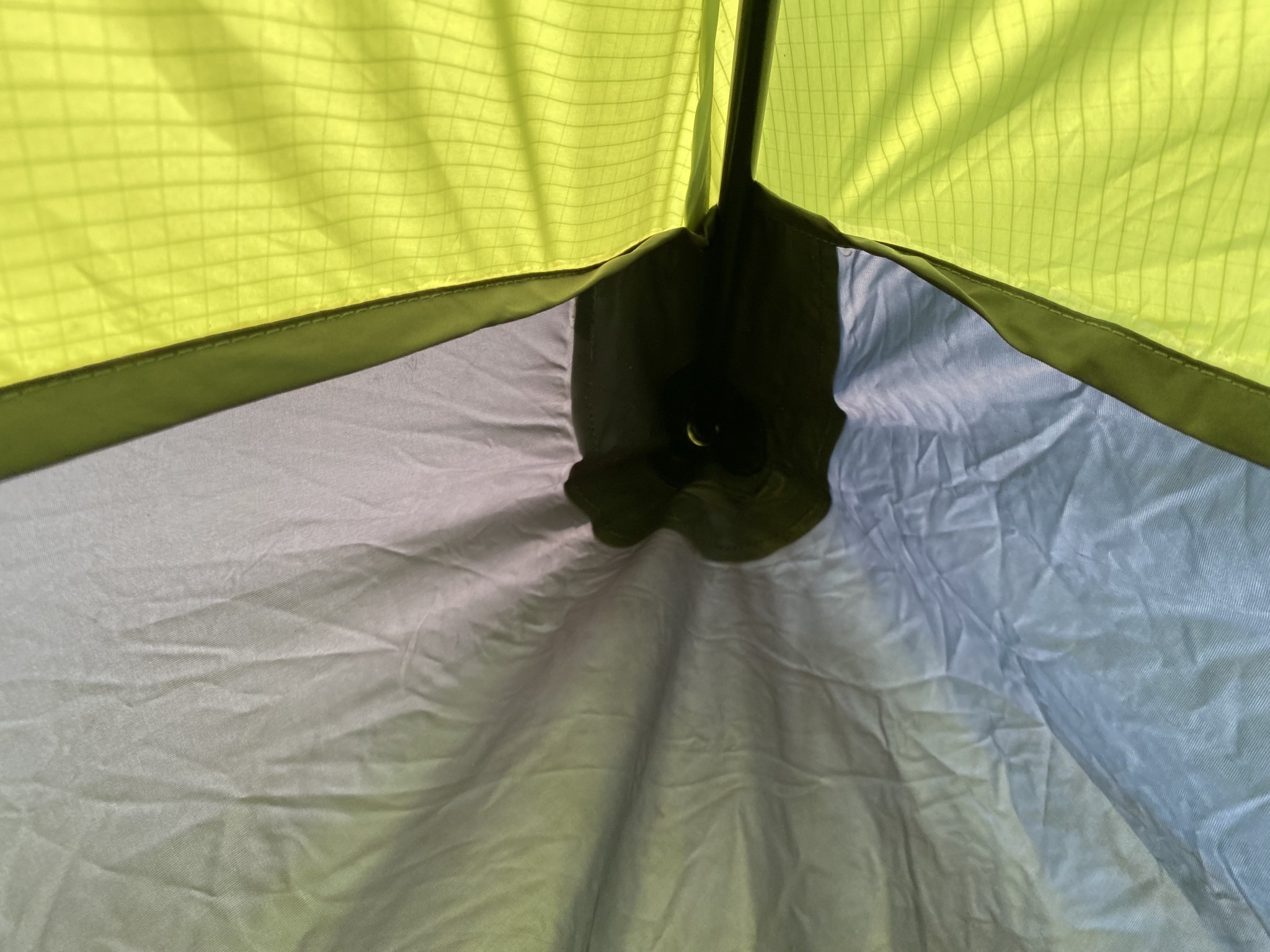
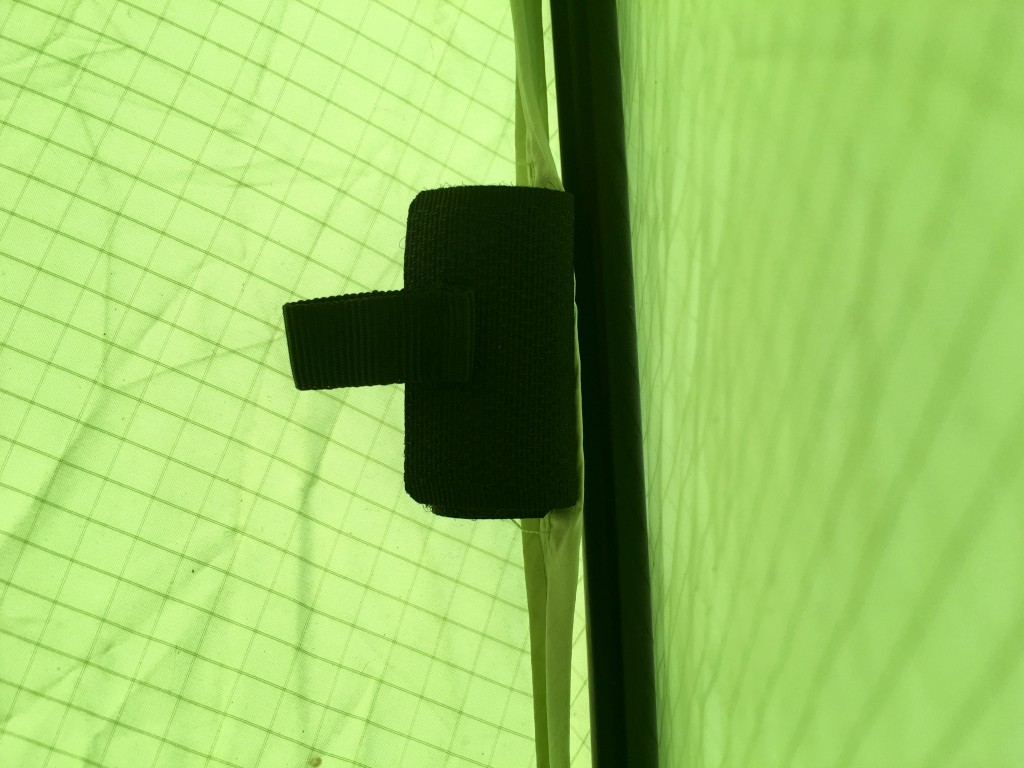
This 4 season tent pitches from the inside, with the ends of the poles inserted into reinforced corners and Velcro strips that wrap around the poles along the walls. These strips are located at various points in the tent and help keep them in place. If it's windy and you don't use them, the tent will be significantly weakened. The interior pitch does take a little longer to become accustomed to and become efficient at pitching.
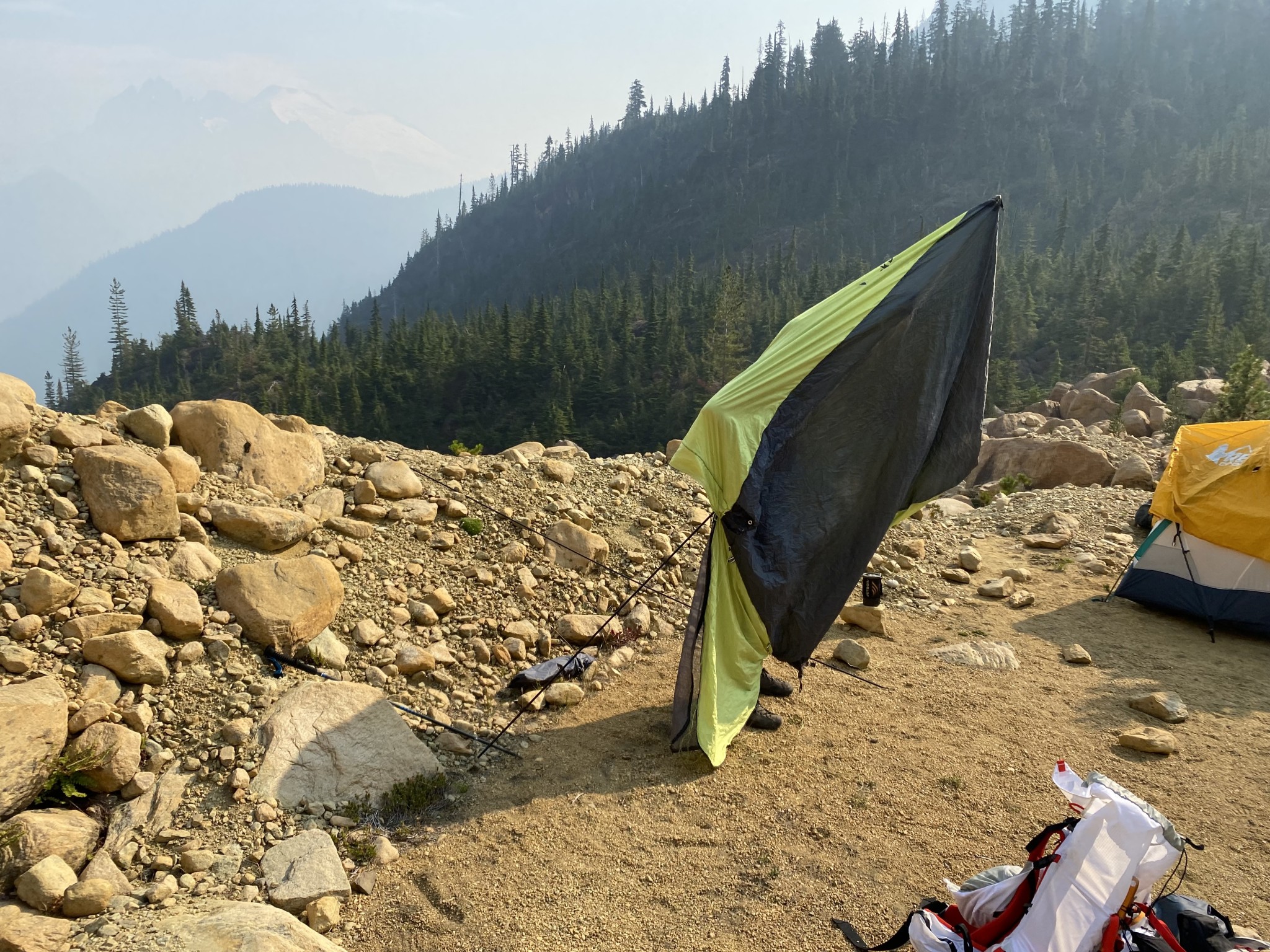
If it isn't super windy out, we like to set it up while standing up and pulling the tent over us - versus getting inside of the tent. If it is windy more care must be taken while pitching this tent as the poles are quite vulnerable and susceptible to bending or breaking in only moderate wind when only one pole has been inserted or partially inserted, and extra care must be taken.
Overall this is one of the least easy models to pitch in our review. The trade-off is its exceptionally low weight and packed size but even compared to other 2-pole bivy style tents like the Mountain Hardwear AC 2 or the North Face Assault 2; this model was among the most time-consuming to pitch and required the most care to set up during a storm.
Weather resistance is this model's biggest trade-off that it takes to achieve its incredibly low weight and unbelievably small packed size.
This contender uses fabric that is highly water resistant, though not waterproof. The Firstlight is okay when used in shorter thunderstorms or light rainstorms, but in the event of short-term moderate or heavy rain, wet snow, or prolonged but steady rainstorms, this model's fabric will become thoroughly saturated, and you'll get some (or a fair amount) of dripping on the inside, no matter how well you seam sealed it. To make matters worse in these wetter conditions, the walls will become completely saturated, and anything that touches them will get wet, which is a bummer if two people are squeezed inside as it will be nearly impossible to stay dry.
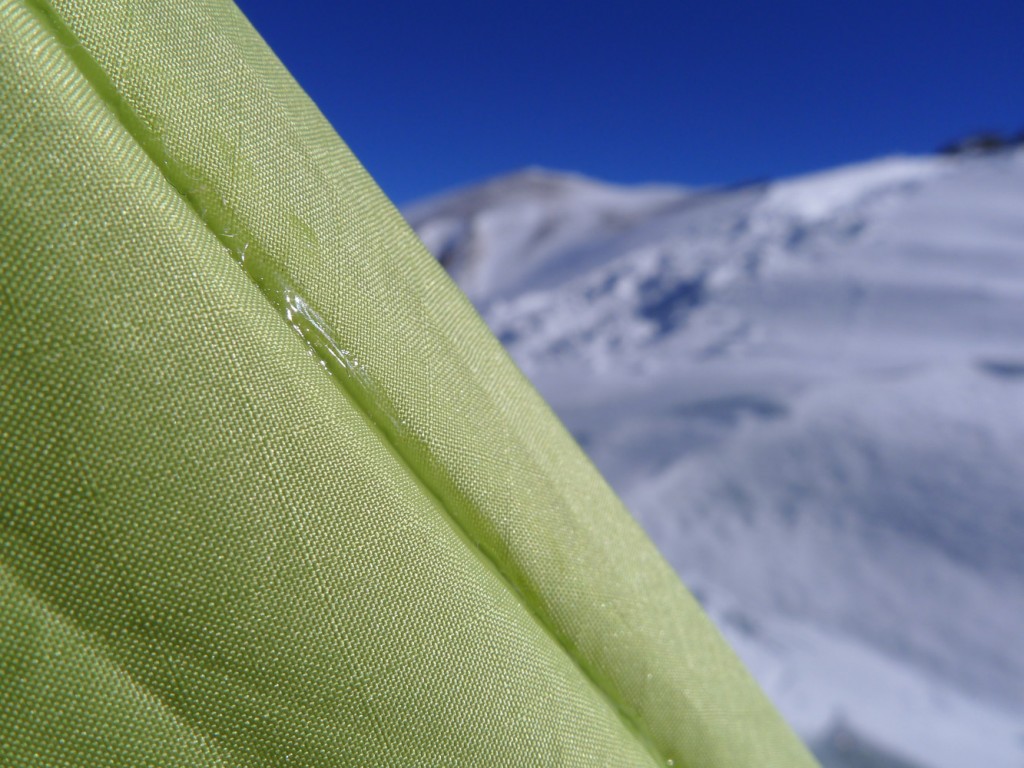
This model performs best in dry conditions or when it is well below freezing (if it's precipitating), as the drier snow won't saturate the fabric as quickly. However, wet snow will have the same or even worse effect than extended rain showers, and it will be difficult to stay dry in any sort of prolonged wet storm.
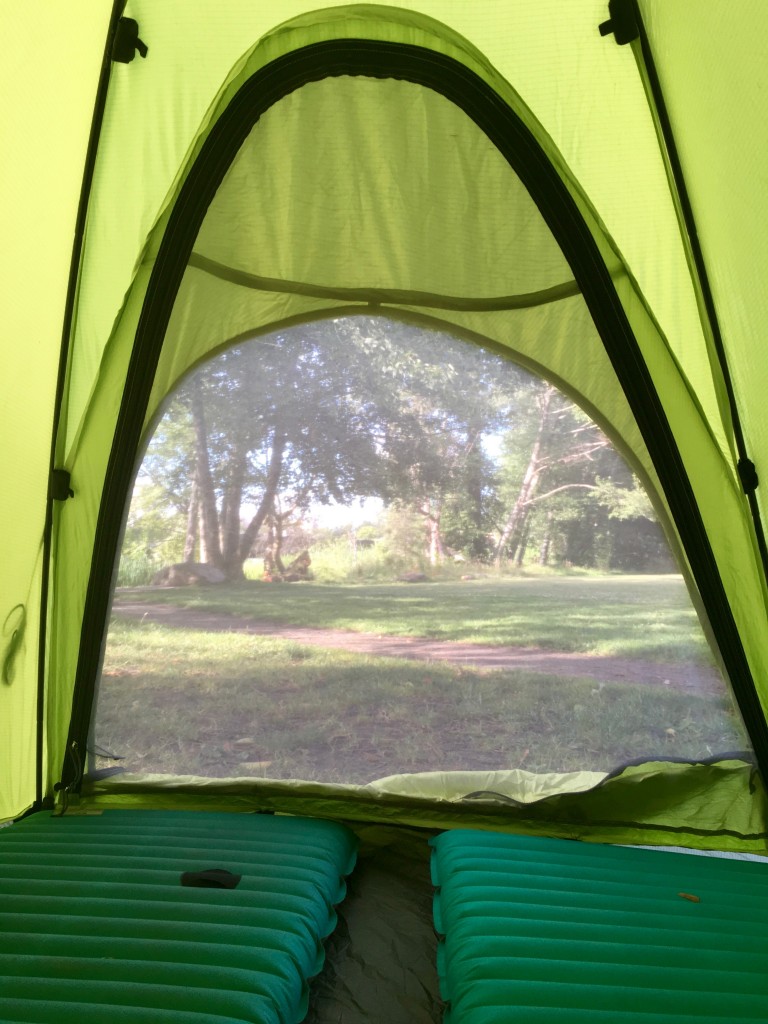
In general, this model's fabric is pretty average as far as breathability goes and handles condensation respectably well. It doesn't breathe as well as the Black Diamond Eldorado or Awhwanee, nor does it have as many ventilation options as the North Face Assault FUTURELIGHT but it does breathe better than the MSR Advance Pro. While it doesn't offer much in the way of ventilation, we found that it certainly helps manage internal condensation build-up if you can leave the door partially or fully open.
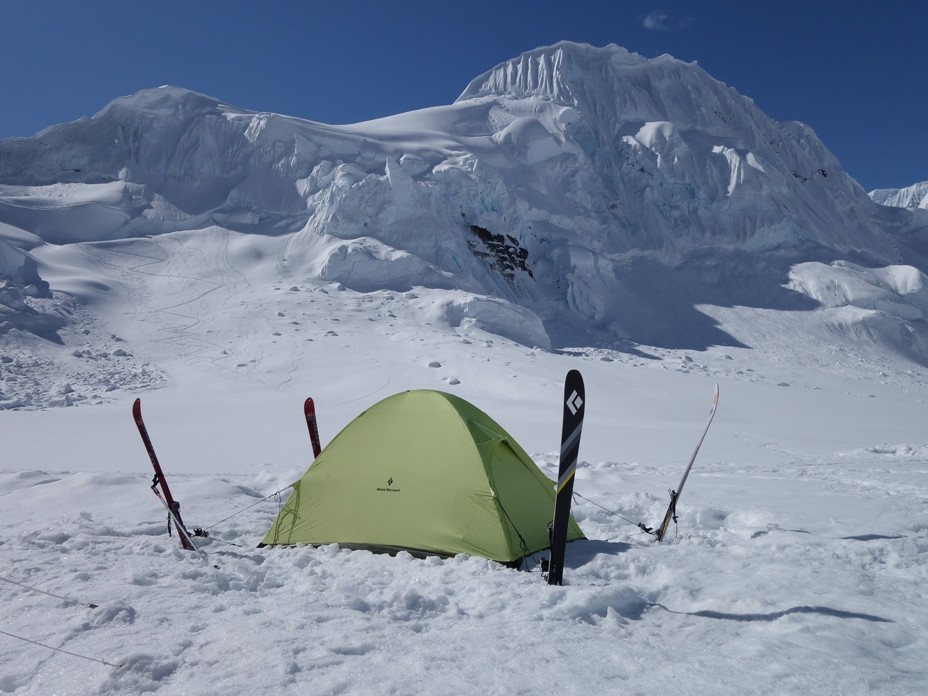
It does okay in moderate wind, as its low profile helps wind flow over it but minimal guy points and so-so pole strength mean it is actually one of the weakest models in our review. It's fine for most fair-weather trips into above-treeline terrain in the lower-48 or as an on-route bivy-style tent in the greater ranges but isn't a tent we'd want to be forced to sit out a prolonged storm in. Overall we found it, along with the similarly designed Black Diamond HiLight, to be the weakest and least storm resistant of all the 4-season tents we tested.

Bivy tents are relatively cramped and uncomfortable. We don't recommend them for anything but alpine climbing, multi-day ski touring, or any other trip where the user is willing to sacrifice comfort for weight savings and maximum packability.
This tent used to be considered micro, with only 27 square feet of interior floor space. Now it's small, but not tiny. While 27 square feet isn't big, you can still fit two regular-sized pads side-by-side with no problem. However, people taller than six feet will have their heads and feet touch the ends of the tents.
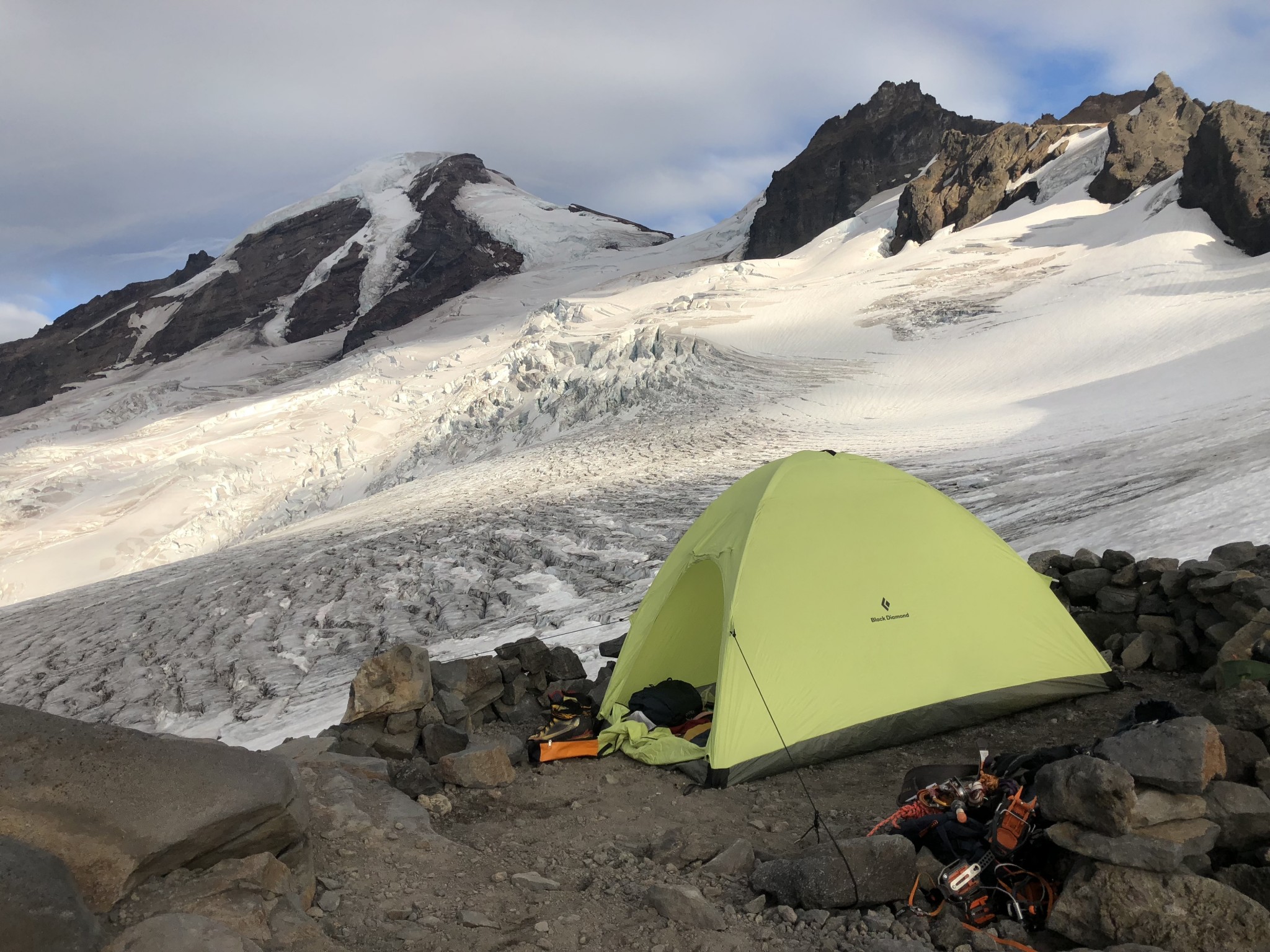
No ultralight tent, especially one this light, is that durable. If you're after low weight and minimum bulk, rather than extreme toughness, this is the tent for you.
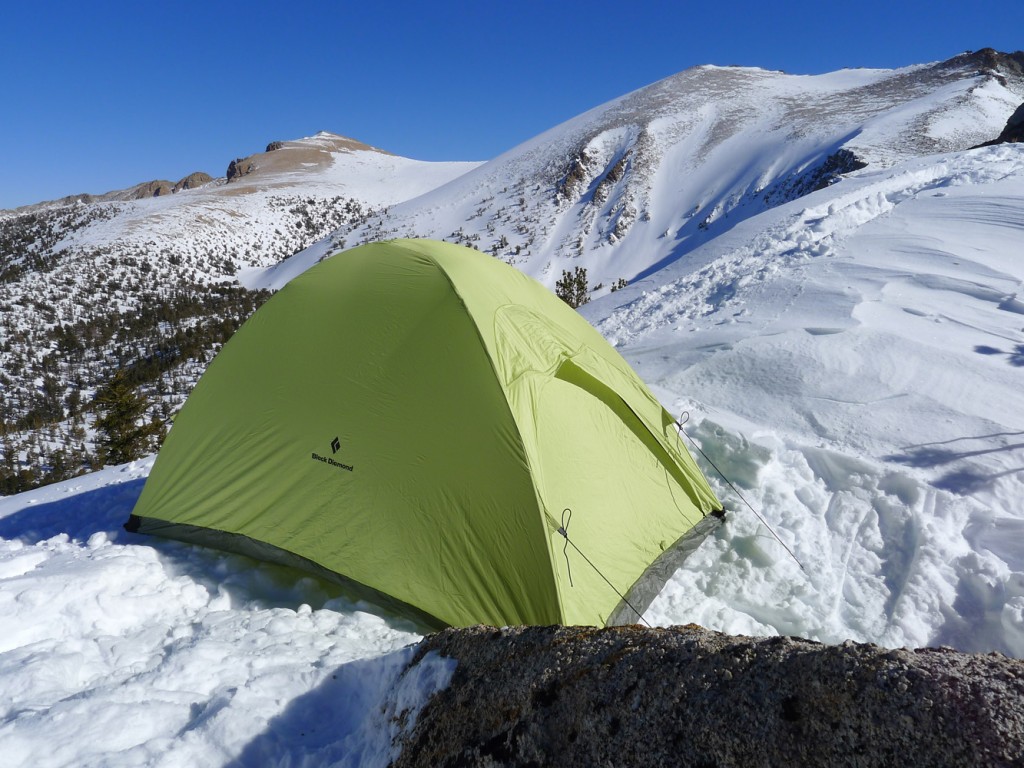
The Firstlight has a relatively fragile sil-nylon floor that doesn't hold up to rocks or sharp pine cones well; take care when pitching it in particularly rocky places. The fabric is not waterproof, but it does keep it water-resistant over a decent amount of time, provided that care is taken to dry it out and keep it clean.

Without guylines, this model weighs a mere two pounds 13 ounces — or three pounds five ounces with everything you need to make it functional (guylines, pole bag, etc.). When this model came out around a decade ago came out, it was game-changing light. While it faces a lot more competition now than it once did, it is still the lightest and most compact 2-person 4-season tent on the market. While it isn't super versatile and is only good for certain applications, this tent is as small and light as it gets for its category.

You buy this tent because of its ridiculously low weight and crazy small packed size, and compared to the competition, in some cases, it's even half the size of other single-wall tents! Seriously, the body packs up smaller than a Nalgene bottle, and the poles break down to some of the shortest in the review.
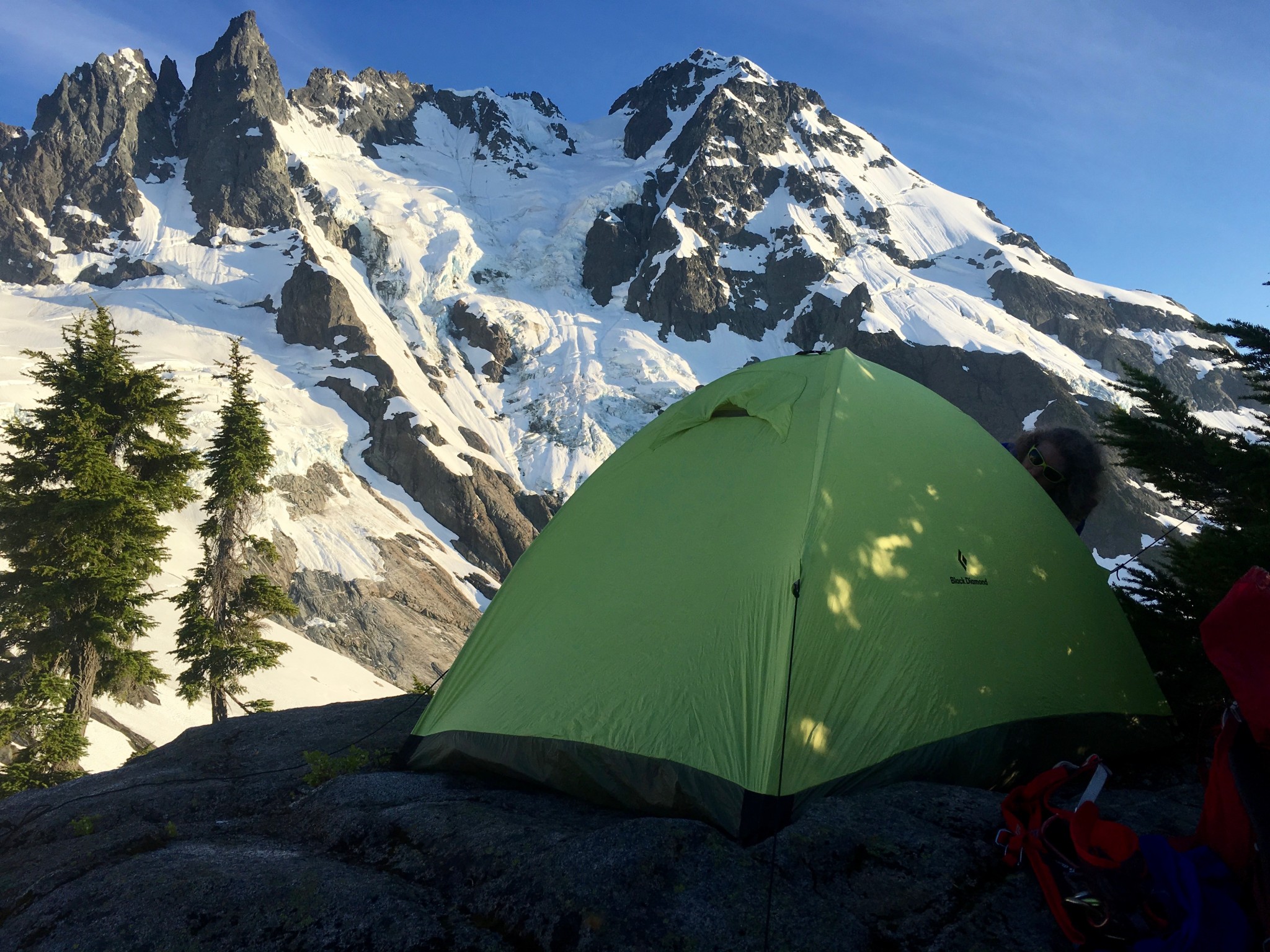
This tent isn't super adaptable or versatile, mainly because it's not waterproof, very strong, and offers only a tiny interior space. It does have bug netting, allowing you to ventilate when the bugs are horrible, which was a HUGE advantage for climbing in the lower 48 and Southern Canada, where many routes involve an approach at lower elevations before ascending into the alpine. In more rocky or alpine environments, this tent rarely has the problem of finding a site (or ledge) big enough to set the tent upon. Its small footprint can be pitched almost anywhere that two people can lie down.
While it's been done, you don't really want to hang out for extended periods of time in this tent. If it's a rainy trip, this shelter can border on miserable. It performs well in desert climates because it's relatively cool and can provide a nice place to hang out while being protected from the sun, but overall it isn't that versatile. It is good for summertime mountaineering trips or multiday ski touring trips that are short in duration or have a fairly good weather forecast.
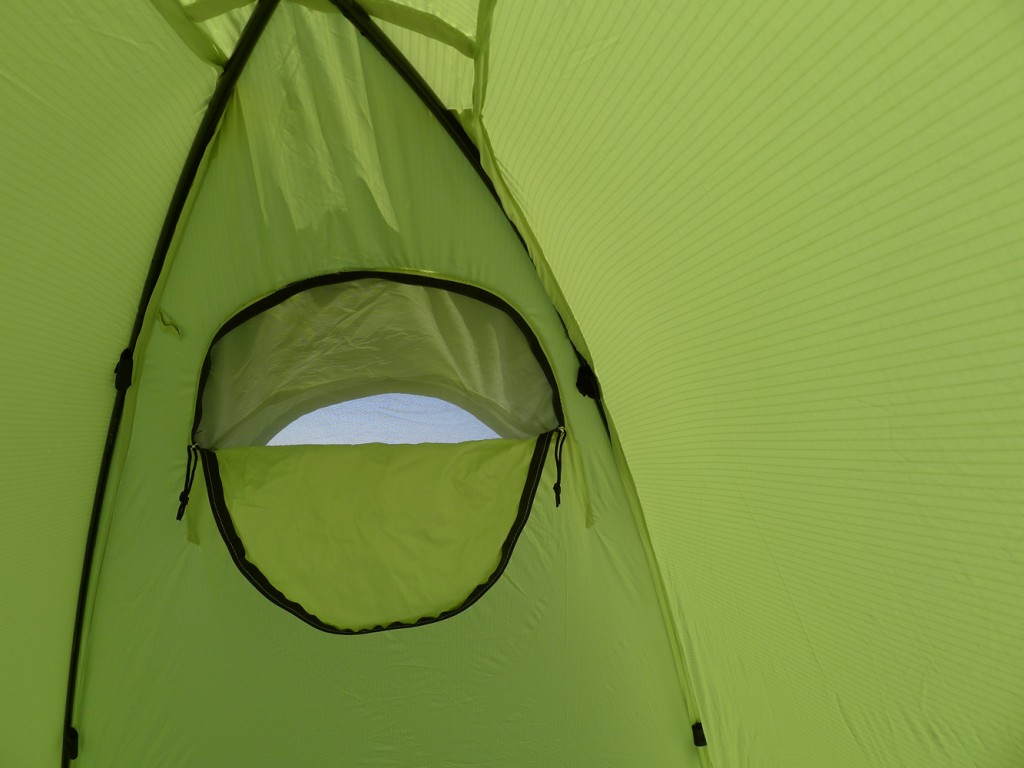
While this tent doesn't have a lot of extra features, it prioritizes low weight and minimum bulk. It does offer a small vent on the back and a little awning on the front to help with ventilation. It features a bug screen mesh door on its only entrance and two small pockets. Yep, this model's main featuresis that it is so light and compact.

The Black Diamond Firstlight is pretty dang sweet for what it's designed for — fast and light trips where weight and packed size matter more than anything else, and you don't need to log a lot of time in your shelter. If you want a tent that will hold up in storms, is more versatile, or is just comfortable to hang out in, regardless of the length of the trip, we'd strongly recommend considering a different model. However, for shorter, fair-weather trips with a good forecast, it is hard to argue with how this model disappears in your pack like no other and is considered a game-changer for its low weight and packed volume.
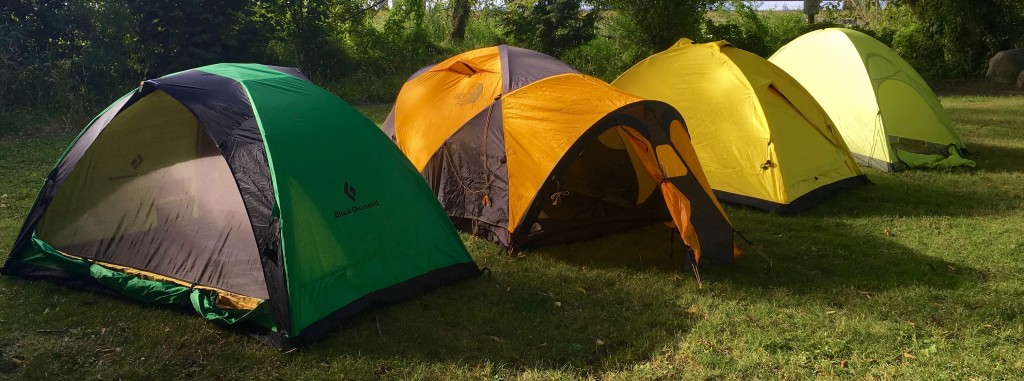
For the lightest tent you can buy, then this model is tough to beat, but if you love the weight but want a little more versatility or a little more headroom and “livability,” then the Black Diamond Hilight isn't much heavier but has a smaller 1/3 length pole to create more headroom and a door that completely unzips one entire side of the tent making it “feel” much less cramped inside. If you want the lightest, fully waterproof tent, then our favorite is the Mountain Hardwear AC2 due to its weather protection, weight, and included bug netting. That is the biggest thing we don't like about the MSR Advance Pro 2 is the lack of bug mesh. If you like this model but want something a little more versatile, then we'd recommend the vent-filled single-wall North Face Assault 2 FUTURE LIGHT. Lastly, if you like this design but want something far more robust, storm-resistant, and superior at moisture management (albeit heavier), we'd recommend checking out the Black Diamond Eldorado.